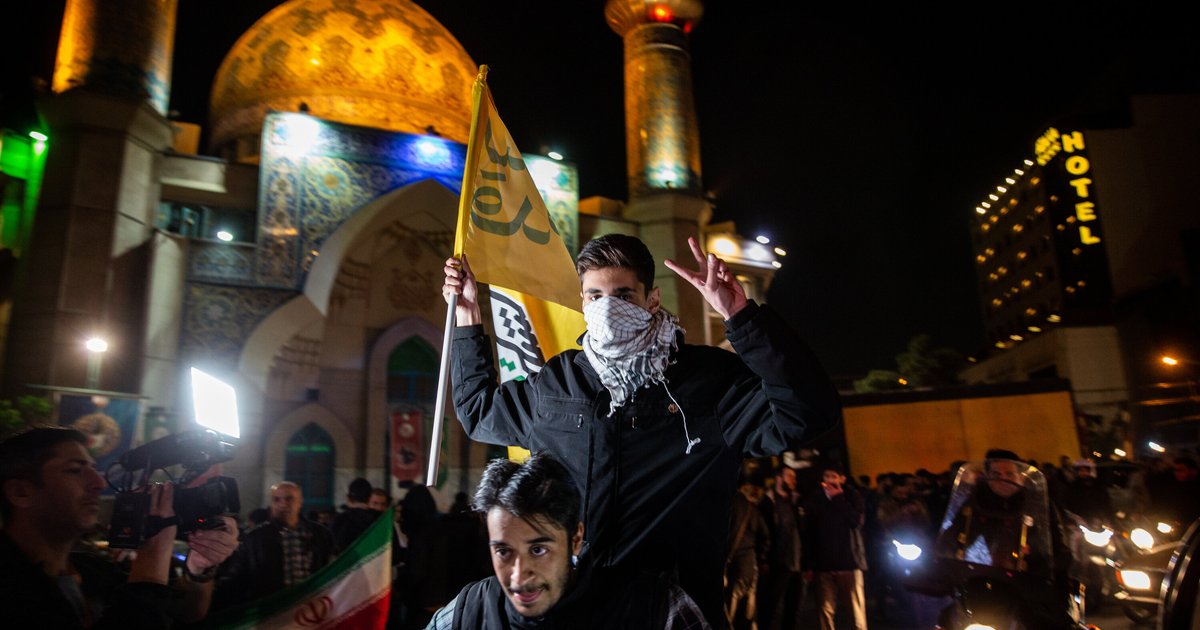
The United States has expressed cautious optimism regarding the ongoing negotiations with Iran, as information from American sources suggests the possibility of reaching an agreement to halt the war. These statements reflect a shift in the American stance towards Tehran amid ongoing tensions in the region.
These remarks come at a time when relations between Washington and Tehran are experiencing significant fluctuations, as negotiations over the Iranian nuclear program had stalled for a long period. However, there seems to be an increasing willingness from both sides to resume dialogue.
Details of the Event
According to American sources, there are indications that both sides may reach an agreement to cease hostilities in the region. American officials have noted that this agreement could encompass several aspects, including the reduction of Iranian military activities in Iraq and Syria.
Reports have also indicated that intensive diplomatic efforts are currently underway, with negotiators striving to find common ground that allows both parties to achieve their interests. This move is considered part of a broader strategy aimed at reducing tensions in the Middle East.
Background & Context
The roots of tensions between the United States and Iran extend back many years, with the relationship between the two countries deteriorating significantly since Washington's withdrawal from the Iranian nuclear agreement in 2018. Since then, the United States has imposed strict economic sanctions on Iran, exacerbating the economic and social conditions in the country.
In recent years, the region has witnessed an escalation in armed conflicts, particularly in Iraq and Syria, where Iran supports armed groups that oppose American interests. This complex situation makes it difficult to reach a lasting agreement, but current trends indicate a desire for dialogue.
Impact & Consequences
If an agreement to halt the war is reached, it could have positive effects on security and stability in the region. This agreement could lead to a reduction in military tensions, which may contribute to improving humanitarian conditions in the conflict-affected areas.
Moreover, this agreement could open the door for the resumption of diplomatic relations between Washington and Tehran, potentially contributing to greater stability in the Middle East. However, the question remains about the seriousness of both parties in committing to any potential agreement.
Regional Significance
The developments in U.S.-Iranian relations are of great importance to Arab countries, especially those suffering from the impacts of armed conflicts. If negotiations succeed, it could lead to a reduction in Iranian interventions in the internal affairs of Arab states, which may help enhance security and stability in the region.
Conversely, some Arab countries may face new challenges if relations between Washington and Tehran are resumed, as the regional balance of power may shift. Therefore, Arab nations must closely monitor these developments.
In conclusion, U.S.-Iranian negotiations remain in a sensitive phase, with the world looking forward to positive outcomes that may contribute to achieving peace and stability in the Middle East. However, caution is still required given the long history of tensions between the two sides.