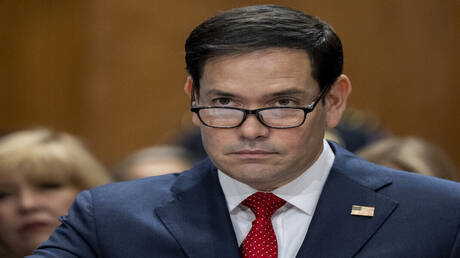
U.S. Secretary of State Marco Rubio stated that the United States does not intend to lift sanctions imposed on Russian oil, indicating that any easing of these sanctions will not continue. These remarks come at a sensitive time as geopolitical tensions between the United States and Russia escalate, particularly in light of multiple crises on the international stage.
Economic sanctions are one of the main tools used by Washington to pressure Moscow, especially following recent events in Ukraine. The United States and its allies aim to reduce Russia's ability to export oil, which directly impacts its economy.
Details of the Event
In statements made by Rubio, he confirmed that the U.S. administration is closely monitoring the situation, and any easing of sanctions would not align with the strategic goals of the United States. He pointed out that the sanctions aim to undermine Russia's ability to finance its military and political activities abroad.
The current sanctions include restrictions on oil and gas exports, leading to a significant decline in Russia's revenues from these sources. Oil is considered one of the main pillars of the Russian economy, representing a large percentage of the country's exports.
Background & Context
The roots of the sanctions imposed on Russia date back to 2014, when Russia annexed the Ukrainian Crimea. Since then, the United States and the European Union have imposed a series of sanctions targeting various sectors of the Russian economy, including energy.
In recent years, tensions between Russia and the West have increased, especially following Russia's intervention in regional conflicts. These conditions have strengthened alliances between the United States and its allies, contributing to the imposition of stricter sanctions on Moscow.
Impact & Consequences
Rubio's statements emphasize that the United States is moving forward with its policy towards Russia, which could exacerbate economic conditions in Moscow. Additionally, the continuation of sanctions may affect global oil prices, as many countries rely on Russian oil.
On the other hand, Russia may seek to find alternative markets for its oil, which could alter global market dynamics. In this context, Russia may enhance its relationships with countries like China and India, which may be less affected by Western sanctions.
Regional Significance
Arab countries are directly affected by these developments, as some nations like Iraq and Libya are among the largest oil producers in the world. Any changes in oil prices as a result of sanctions imposed on Russia could impact the economies of these countries.
Moreover, some Arab nations may seek to capitalize on the current situation to boost their oil exports, potentially leading to increased financial revenues. However, the continuation of tensions could create instability in the markets, affecting economic development plans in the region.
In conclusion, the sanctions imposed on Russian oil remain a hot topic on the international stage, as the United States seeks to maintain its strategic position in the face of challenges posed by Russia. With this policy continuing, the question remains about how this will affect the global economy, particularly in the Arab region.