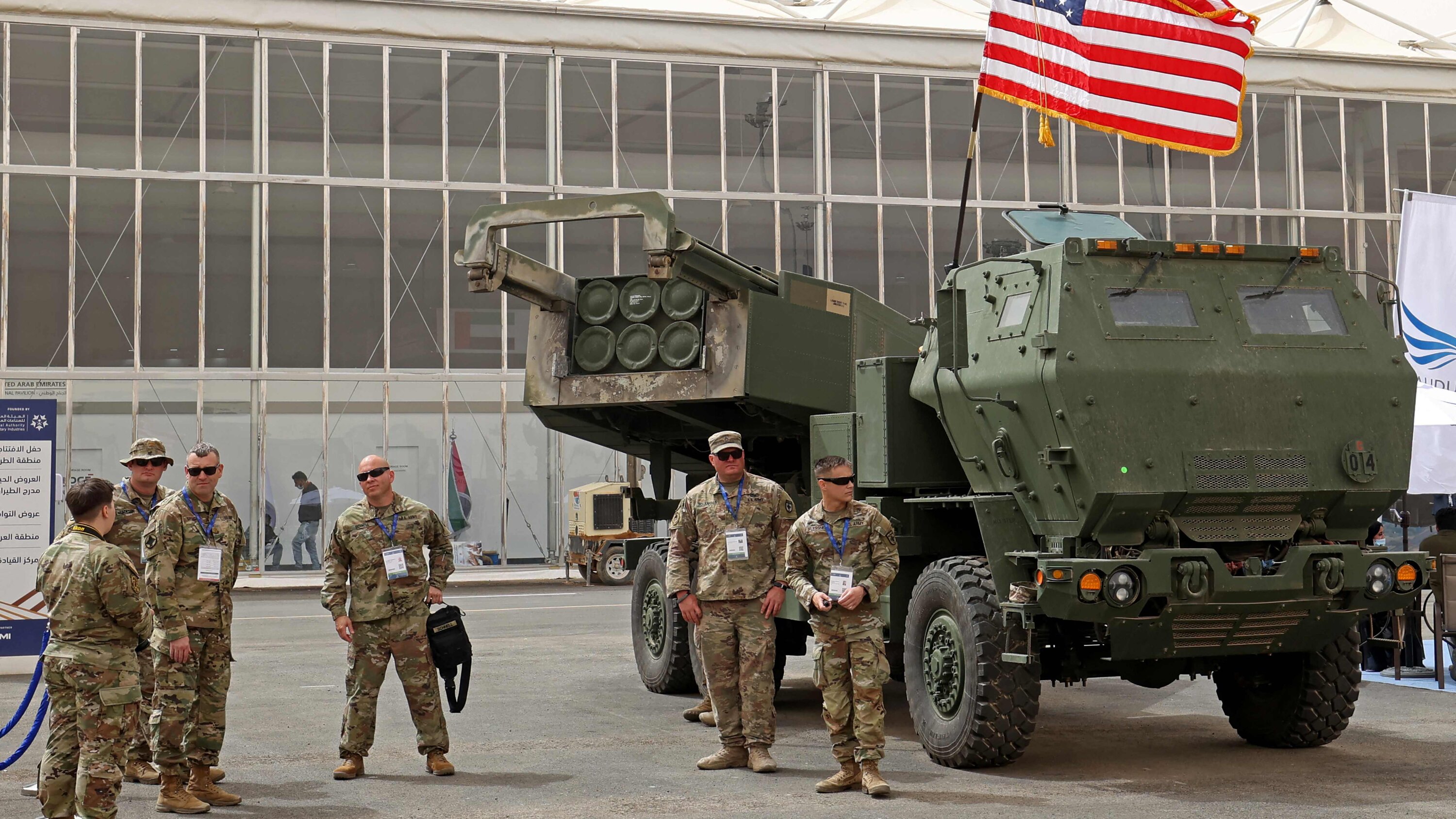
The United States is leaning towards postponing military support for Ukraine amid rising tensions with Iran, raising questions about U.S. foreign policy priorities. This decision comes at a critical time as concerns grow over escalating conflicts in the Middle East.
Amid multiple crises facing Washington, the U.S. administration appears to be reassessing its military strategy, with reports indicating that military support for Ukraine may be affected due to the need to bolster military capabilities against Iran. This shift in policy could have significant repercussions on the ongoing conflict in Ukraine, which has seen a notable escalation in recent months.
Details of the Situation
Informed sources have reported that the U.S. administration is considering the possibility of delaying arms shipments to Ukraine, as part of a reallocation of military resources to address the increasing Iranian threats. This decision comes at a time when the Ukrainian government is under pressure, heavily relying on U.S. military support to confront Russian forces.
Reports suggest that U.S. officials are increasingly concerned about Iranian activities in the region, including Tehran's support for armed groups in Iraq and Syria, as well as the development of its nuclear program. This situation may prompt the United States to reorder its military priorities, which could negatively impact Ukraine's efforts to counter Russian aggression.
Background & Context
Since the onset of the conflict in Ukraine in 2014, the United States has been one of Ukraine's most prominent supporters, providing substantial military and financial aid. However, the rising tensions with Iran, especially following recent attacks on oil facilities in the Gulf, may alter the dynamics of U.S. support.
Historically, the United States has always sought to balance its interests in Europe and the Middle East. However, recent events, including the escalation of Iranian military activities, may force Washington to make difficult decisions regarding the distribution of its military resources.
Impact & Consequences
If arms shipments to Ukraine are delayed, this could exacerbate the military situation in the country, leaving Ukrainian forces in a weaker position against Russian attacks. This impact could intensify the conflict and worsen humanitarian conditions in the region.
Furthermore, this decision may provoke negative reactions from U.S. allies in Europe, who also rely on American support to confront Russian threats. This could lead to a deterioration of trust among allies and increase tensions within NATO.
Regional Significance
The repercussions of this decision extend beyond Ukraine, potentially affecting stability in the Middle East. If Iran is able to enhance its military capabilities in the absence of U.S. pressure, this could escalate conflicts in the region, including in Iraq, Syria, and Lebanon.
Additionally, redirecting U.S. military resources towards countering Iran may create a vacuum in support for Washington's allies in the region, increasing security risks and bolstering the influence of Iran-backed armed groups.
In conclusion, this shift in U.S. policy marks a significant turning point in how Washington addresses international crises. While the United States seeks to protect its interests, this may come at the expense of its allies in Ukraine, raising questions about the future of American military support in global crises.