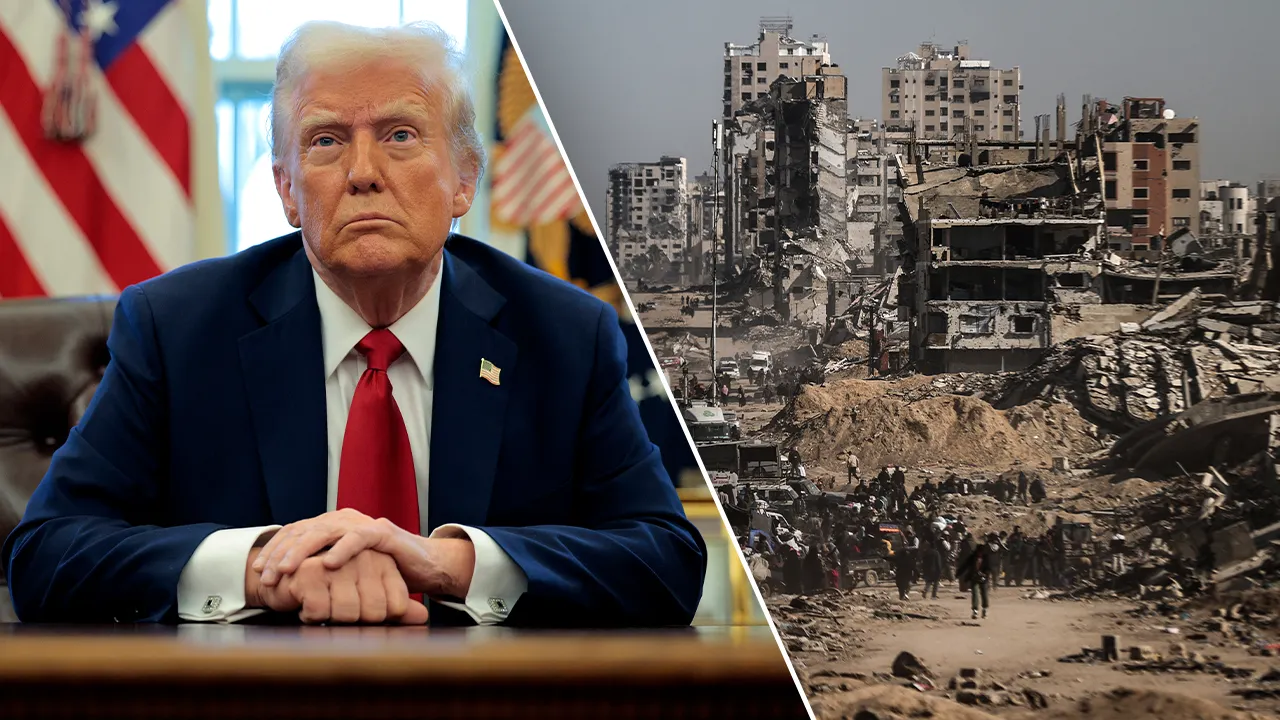
In a new development on the international stage, the U.S. administration has confirmed that the ceasefire plan announced by Iran, which consists of 10 points, is not the plan that was agreed upon with Washington. This statement comes at a time when the region is experiencing increasing tensions that require intensive diplomatic efforts.
The White House spokesperson stated that the Iranian plan differs fundamentally from the proposals that were negotiated, raising questions about Tehran's intentions in achieving peace. This occurs as the United States seeks to enhance stability in the region by supporting peaceful solutions.
Details of the Iranian Plan
The Iranian plan includes points related to halting hostilities and exchanging prisoners, but it has not been accepted by the U.S. side. The spokesperson clarified that the United States remains committed to seeking peaceful solutions, but it will not accept any plan that does not align with shared goals.
This statement reflects the existing tensions between Iran and the United States, as each side seeks to achieve its own interests in a region suffering from instability. Observers have noted that these disagreements could exacerbate the situation in the region.
Background & Context
Historically, relations between Iran and the United States have been strained, especially following Washington's withdrawal from the Iranian nuclear agreement in 2018. Since then, the United States has imposed strict economic sanctions on Iran, leading to worsening economic and political conditions in the country.
In recent years, Iran has attempted to bolster its regional influence by supporting armed groups in countries such as Iraq, Syria, and Lebanon. These activities have raised concerns among neighboring countries and the United States, complicating peace efforts.
Impact & Consequences
These developments could lead to an escalation of tensions in the region, as disagreements between Iran and the United States may affect the stability of Gulf countries. Additionally, the failure to reach an agreement could intensify armed conflicts in areas of dispute.
On the other hand, these conditions may increase pressure on the international community to intervene to achieve peace. The current situation requires greater international coordination, especially from major powers that have influence over the situation in the Middle East.
Regional Significance
The implications of these tensions are significant for the broader Middle East, as they can affect not only Iran and the U.S. but also neighboring countries that are already facing their own challenges. The ongoing conflict dynamics may lead to a re-evaluation of diplomatic strategies in the region.
In conclusion, the recent statements from the U.S. administration serve as a clear indicator of the ongoing tensions between Iran and the United States, which have a direct impact on regional stability and the prospects for peace in the Middle East.