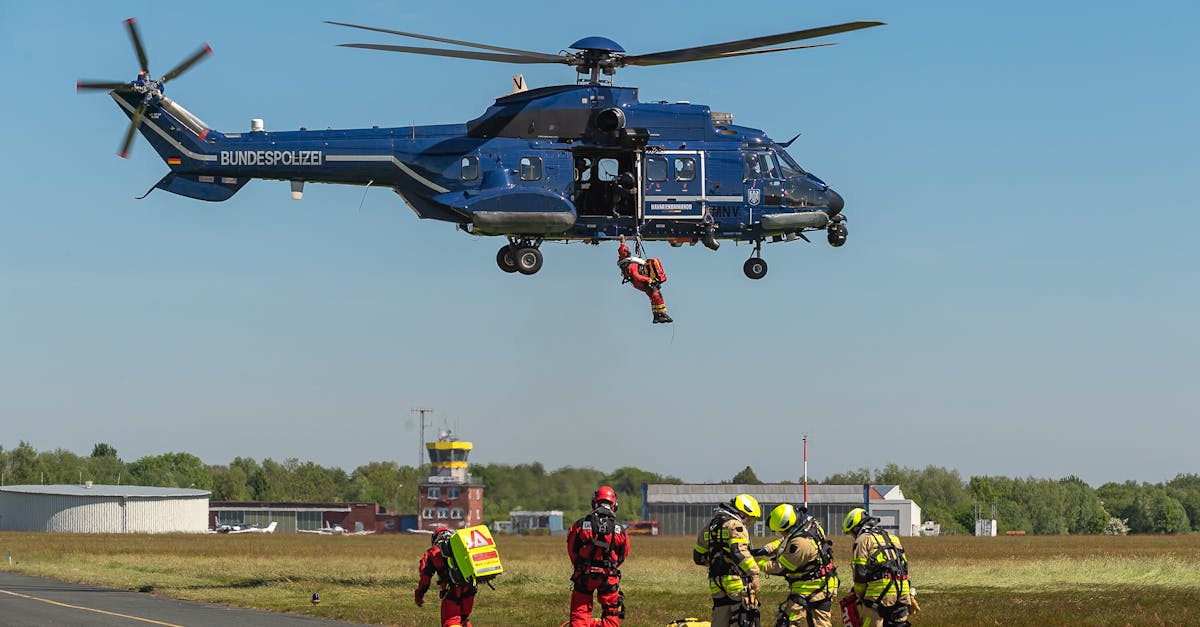
In a complex operation described as one of the most challenging search and rescue missions in the history of U.S. special forces, Washington managed to recover an officer whose F-15E fighter jet had fallen deep into Iranian territory. Despite President Donald Trump's announcement of the operation's success, behind the scenes, it revealed a hefty price paid by the United States, which included the bombing and destruction of two of its most advanced aircraft.
This substantial material cost for the rescue of a single individual opens the door to a more serious strategic question within military decision-making circles: If the sands of Iran have cost America hundreds of millions of dollars and nearly thwarted a limited rescue operation, what price would Washington pay if it decided to launch a large-scale ground attack?
Details of the Incident
With U.S. commando teams successfully reaching and securing the pilot, the force faced a deadly obstacle when the front wheels of two military transport aircraft sank into the sandy runway, according to the American narrative revealed by The New York Times. After desperate attempts to free the two aircraft, the forces were forced to request alternative planes. Before their withdrawal at sunrise, U.S. fighter jets bombed the stranded aircraft, completely destroying them.
The decision was governed by a highly sensitive "strategic necessity," as The Wall Street Journal clarified that the destroyed aircraft were of the MC-130J model, which are extremely advanced and cost over $100 million each. According to the newspaper, this aircraft is an essential part of special operations, designed to insert personnel into hostile environments and extract them, equipped with advanced sensors to defend against aerial interceptions, including thermal systems, which raises the sensitivity of its potential capture by any military adversary like Iran.
Background & Context
The "self-destruction" decision extended beyond the transport aircraft to also include two small MH-6 "Little Bird" helicopters used in special operations, which were destroyed after being left in the field to prevent their sensitive equipment from being exploited. The report indicates that these aircraft were deliberately burned within Iran to prevent recovery or dismantling.
This financial and logistical drain in a limited operation casts a heavy shadow on broader military scenarios. In an analysis published by The Guardian, U.S. losses in this operation were estimated at over $250 million. The Wall Street Journal notes that the rescue operation effectively turned into what resembled a "mini-war" within Iran, involving about 100 special operations forces, alongside a "fleet" of fighter jets, bombers, and helicopters, including four B1 bombers that dropped nearly 100 precision-guided bombs weighing 2,000 pounds to secure the area around the officer's hiding place.
Impact & Consequences
According to officials who spoke to the newspaper, diverting this level of air power towards the search and rescue mission forced U.S. leadership to postpone pre-planned strikes, including missile launch sites, which allowed Iran to fire more shots in the following days. Thus, The Guardian raised a fundamental question that serves as a warning: If the rescue of a single individual required all this effort and the loss of aircraft worth tens of millions of dollars just because "its wheels got stuck in the sand," is it reasonable to consider a complex ground operation in Iran?
The newspaper adds that what transpired should serve as a "warning" to the White House, which is still contemplating launching a ground operation to seize islands in the Gulf or executing a highly complex operation to extract highly enriched uranium hidden underground in Isfahan.
Regional Significance
Ultimately, the Trump administration may record the recovery of its pilot as a "tactical victory" and an expensive fulfillment of the doctrine of "leaving no fighter behind enemy lines." However, the smoke rising from the wreckage of expensive American aircraft in the Iranian desert sends a deeper strategic message, as this operation stands as a field testimony that incursion into the complex Iranian geography is fraught with unexpected pitfalls, and the bill for any large-scale ground invasion will not be limited to the loss of aircraft worth tens of millions of dollars, but could open the door to a military and political drain that Washington cannot afford.