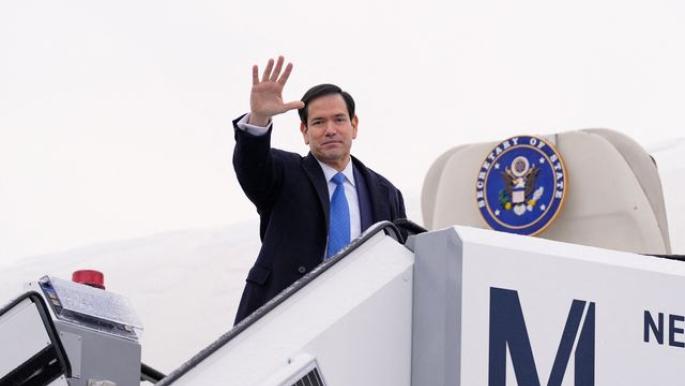
U.S. Secretary of State Marco Rubio expressed optimism on Monday regarding the possibility of cooperation with influential figures within the Iranian government. In statements made by Rubio, he indicated that the United States has received positive messages from Tehran informally, reflecting a desire to improve relations between the two sides.
These remarks come at a sensitive time for U.S.-Iranian relations, as both parties strive to overcome obstacles hindering dialogue. Rubio has shown readiness to engage with influential Iranian figures, a step that could pave the way for new negotiations.
Details of the Event
Rubio's statements coincide with rising tensions in the region, as the United States seeks to reassess its strategy towards Iran. Relations between the two countries have notably deteriorated since Washington's withdrawal from the nuclear agreement in 2018, leading to the imposition of stringent economic sanctions on Tehran.
Despite this, there seems to be a willingness from both sides to explore new opportunities for cooperation, especially in areas such as regional security and counter-terrorism. Rubio noted that these positive messages could signify the beginning of a new phase of dialogue.
Background & Context
Historically, U.S.-Iranian relations have been tense, marked by numerous crises over the decades. Since the 1979 Islamic Revolution, Iran has become a target of U.S. policies in the Middle East, leading to heightened military and political tensions.
In recent years, some international parties, including European countries, have attempted to mediate between the two sides, but these efforts have often failed. However, the positive messages referred to by Rubio may reflect a potential shift in this complex context.
Impact & Consequences
If progress is made in U.S.-Iranian relations, it could lead to radical changes in the political landscape of the Middle East. Cooperation between the two countries could contribute to enhancing regional stability and reducing tensions in areas such as Iraq and Syria.
Moreover, improved relations could open the door to new economic investments and enhance cooperation in energy and trade sectors. Nevertheless, challenges remain, and it is crucial to monitor reactions from other regional players.
Regional Significance
U.S.-Iranian relations are pivotal in shaping events in the Arab region. Tensions between the two sides directly affect the Gulf Arab states, which seek to maintain their stability and security amid potential threats.
If Washington and Tehran succeed in making progress, it could positively reflect on Arab countries and enhance opportunities for regional dialogue and cooperation. However, concerns about the rising Iranian influence in the region persist, necessitating strategic positions from Arab states to address any future challenges.
In conclusion, U.S.-Iranian relations remain a complex issue that requires ongoing dialogue and deep understanding. The recent statements by the U.S. Secretary of State may mark the beginning of a new phase, but success depends on the political will from both sides.