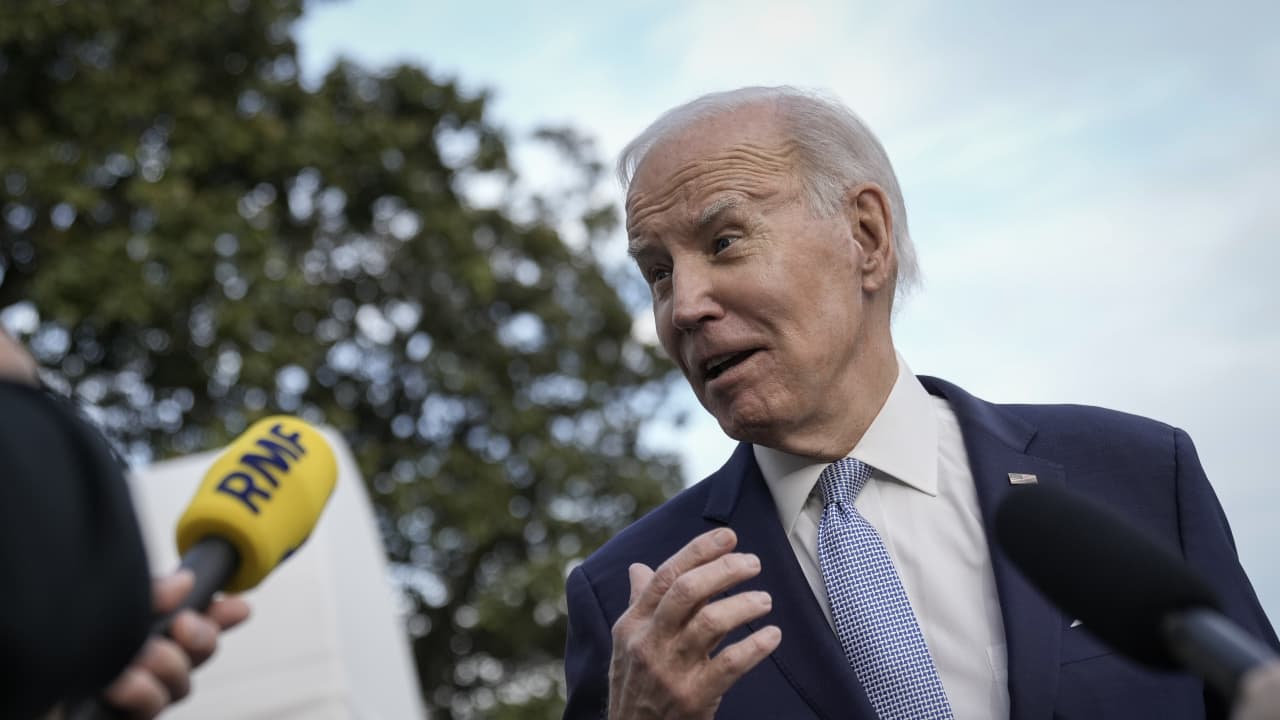
U.S. media reports indicate that the United States has presented a 15-point plan to Iran aimed at ending the ongoing conflict between the two parties. The plan includes demands for dismantling Iran's key nuclear facilities, halting uranium enrichment, and suspending the ballistic missile program, in addition to reducing support for groups allied with Tehran and reopening the Strait of Hormuz.
In return, the United States will lift sanctions related to the nuclear program and provide assistance for Iran's civilian nuclear program. This plan was delivered through Pakistan, where the Pakistani army chief has become a key mediator in these negotiations.
Details of the Proposal
According to a report published by the Wall Street Journal, the plan also includes a month-long ceasefire to facilitate negotiations. The New York Times confirmed that the plan addresses maritime security issues, reflecting the importance of the Strait of Hormuz as one of the vital maritime corridors in the region.
Reports indicate that this step comes at a sensitive time, as tensions in the region are escalating due to Iran's nuclear activities, raising concerns in the international community. Reuters has confirmed that a source familiar with the matter has verified the delivery of the plan.
Background & Context
Historically, relations between the United States and Iran have been tense since the Islamic Revolution in 1979, which led to the severing of diplomatic relations between the two countries. Since then, the region has witnessed numerous crises and conflicts, including the Iranian nuclear program, which has become a central issue in international politics.
In 2015, a nuclear agreement was reached between Iran and the 5+1 group (the United States, the United Kingdom, France, Russia, China, and Germany), under which sanctions were eased in exchange for reducing Iranian nuclear activities. However, the U.S. withdrawal from the agreement in 2018 reignited tensions, prompting Iran to resume some of its nuclear activities.
Impact & Consequences
If this plan is implemented, it could lead to a radical change in relations between the United States and Iran, potentially contributing to regional stability. However, the question remains regarding Iran's willingness to comply with these demands, especially in light of the internal and external pressures it faces.
This step may also affect Iran's relations with its allies in the region, such as Hezbollah in Lebanon and the Houthis in Yemen, as it may require a reduction in military and financial support for them, potentially altering the balance of power in regional conflicts.
Regional Significance
Neighboring Arab countries, such as Saudi Arabia and the UAE, are among the most affected by these developments. Stabilizing relations between the United States and Iran could help ease tensions in the region, opening the door for broader dialogue between Arab countries and Iran.
At the same time, some Arab countries may be concerned that lifting sanctions on Iran could enhance its ability to support armed groups in the region, potentially increasing regional tensions. Therefore, close monitoring of upcoming developments will be essential to understand the potential impact on regional security.