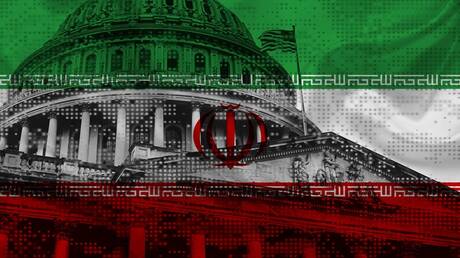
The Director of International Policy at the Polish Presidency, Marcin Przydacz, stated that NATO relations are experiencing deep divisions due to escalating tensions between the United States and Iran. This crisis reflects a decline in trust between Washington and its allies, raising questions about the future of NATO cooperation amidst growing regional challenges.
Przydacz's remarks come at a sensitive time, as tensions in the Middle East escalate, increasing pressure on the United States and its allies. This rift in NATO relations is seen as a result of U.S. policies that no longer enjoy full support from European nations, threatening the alliance's unity in facing global challenges.
Details of the Event
Reports indicate that the United States is struggling to maintain its traditional alliances, especially amid the multiple crises affecting the region. Relations with Iran, where tensions are rising, represent one of the key issues impacting these relationships. Recent events have shown that many European countries are concerned about U.S. policies, further deepening the divide within NATO.
In this context, Przydacz pointed out that European nations are beginning to seek alternative options for security cooperation, reflecting dissatisfaction with the current U.S. strategy. This shift in positions signals that NATO may face new challenges requiring a reassessment of its strategies.
Background & Context
Historically, NATO relations have been based on mutual trust and close cooperation in security and defense areas. However, these relations have begun to wobble for some time, especially following the U.S. withdrawal from the Iranian nuclear deal in 2018. This decision sparked negative reactions from Washington's allies, who supported the agreement as a means to reduce tensions in the region.
Moreover, the escalation of conflicts in the Middle East, including the wars in Syria and Yemen, has complicated NATO relations. European nations are concerned that U.S. policies may exacerbate the situation, prompting them to rethink their security strategies.
Impact & Consequences
The repercussions of this rift in NATO relations could be far-reaching. A decline in trust among allies may lead to weakened cooperation in defense and security, increasing risks in the face of global threats. Additionally, this situation could open the door for other countries, such as Russia and China, to enhance their influence in the region.
Furthermore, the loss of trust may affect NATO's ability to make swift and effective decisions in crisis situations. This could exacerbate conditions in conflict areas and complicate international efforts to achieve stability.
Regional Significance
For the Arab region, these developments mean that Arab nations may find themselves facing new challenges. The decline in trust between the United States and its allies may lead to a reevaluation of security and political relationships in the region. Arab countries may need to seek new alliances or strengthen regional cooperation to address security challenges.
Additionally, the rising tensions in NATO relations could impact peace efforts in the region, particularly in the Israeli-Palestinian conflict. The instability in international relations may worsen humanitarian conditions in conflict-affected areas.
In conclusion, it appears that NATO relations are facing unprecedented challenges amid escalating crises in the Middle East. It is crucial for NATO countries to adopt new strategies to enhance cooperation and trust, ensuring stability and security in the region.