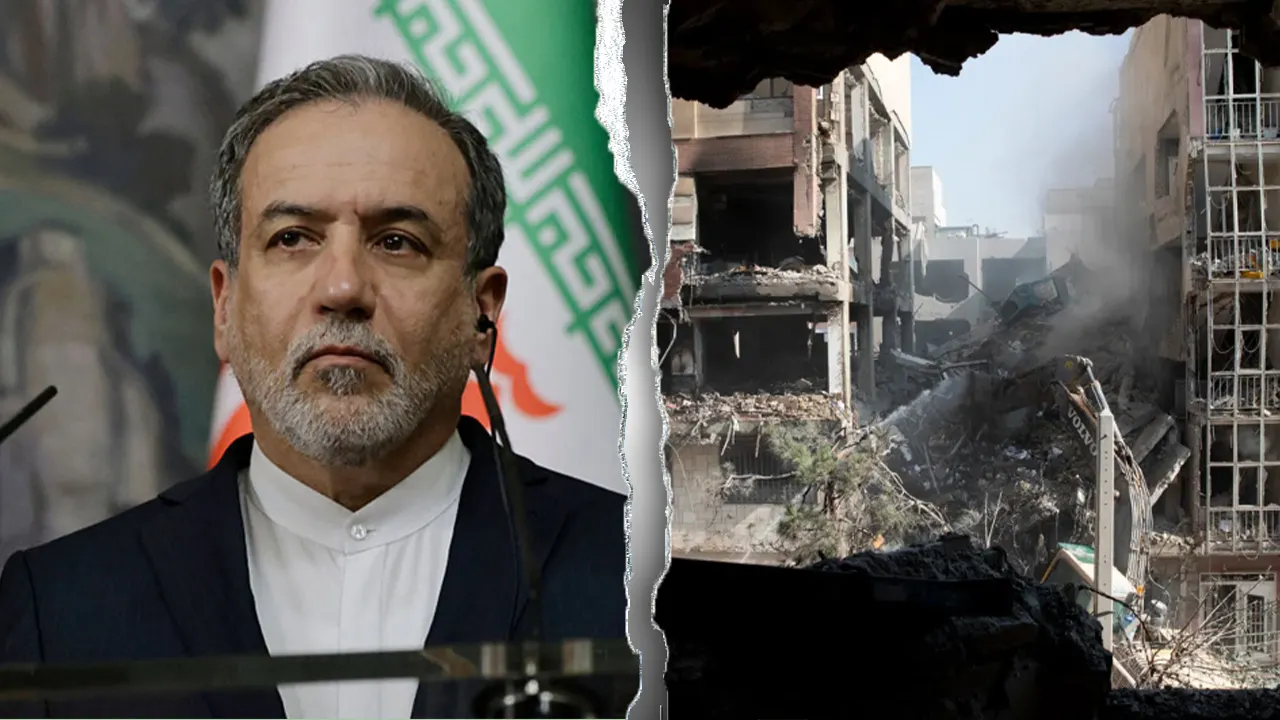
The Trump administration is considering deploying ground troops in Iran to eliminate highly enriched uranium. This operation, expected to last several days, involves special operations teams and poses significant risks to American soldiers.
This move comes at a sensitive time, as tensions between the United States and Iran are escalating, and Washington appears to be seeking decisive action to prevent Tehran from advancing its nuclear program. The proposed operation would place American soldiers deep within Iranian territory, exposing them to enormous risks from short-range missiles and Iranian drones.
Details of the Operation
According to informed sources, the operation will rely on elite special operations teams that have extensive experience in executing complex missions in hazardous environments. The mission is expected to involve identifying locations of highly enriched uranium and extracting it safely, which requires precise coordination and meticulous planning.
This step is part of a broader strategy aimed at pressuring Iran to curtail its nuclear activities, which the United States and its allies consider a threat to regional and international security. However, executing such an operation could provoke violent reactions from Iran, complicating the security situation in the region.
Background & Context
Historically, U.S.-Iranian relations have seen increasing tensions since the Islamic Revolution in 1979. These tensions have particularly escalated following the U.S. withdrawal from the Iranian nuclear deal in 2018, which aimed to limit Iran's nuclear program in exchange for sanctions relief. Since then, Iran has taken steps to expand its nuclear program, raising concerns within the international community.
In recent years, Iran has intensified its nuclear activities, bringing it closer to the enrichment levels required to produce a nuclear weapon. This situation has prompted the United States to consider military options as a means to prevent Iran from achieving this goal.
Impact & Consequences
If the operation is successful, it could significantly reduce Iran's nuclear capabilities, strengthening the United States' position in future negotiations. However, any failure to execute the operation or violent retaliation from Iran could escalate the conflict, threatening stability in the region.
Furthermore, this operation may impact U.S. relations with its allies in the region, as some may feel concerned about military escalation under the current circumstances. Potential reactions from Iran could also lead to heightened conflict in other areas, such as Iraq and Syria.
Regional Significance
Developments in U.S.-Iranian relations are of significant importance to security and stability in the Arab region. Any military escalation could lead to unforeseen consequences, including increased tensions between Arab states and Iran, which may affect regional security.
At the same time, some armed groups in the region may exploit these circumstances to enhance their influence, further complicating the security landscape. Therefore, Arab states must closely monitor these developments and be prepared to address any potential repercussions.
In conclusion, U.S. actions towards Iran remain a subject of widespread debate, as Washington balances the need to prevent nuclear proliferation against the potential risks of escalating military conflict.