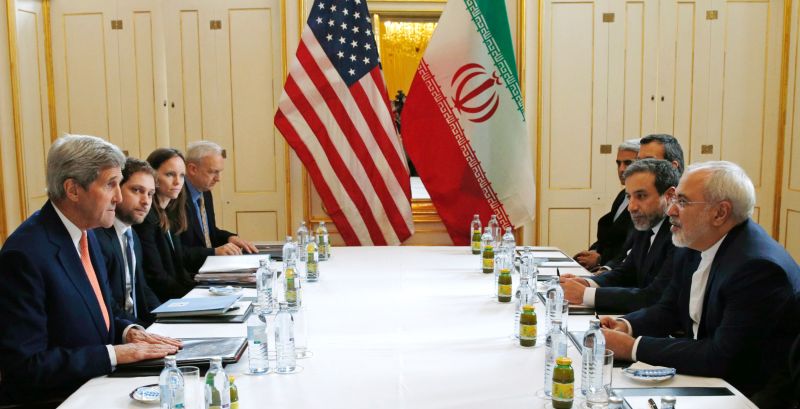
In a new escalatory move, the United States has put forward a 15-point proposal to Iran via a Pakistani intermediary, outlining conditions aimed at ending the ongoing conflict between the two parties. This proposal comes at a sensitive time, as tensions in the region are rising, and fears of potential military escalation are increasing.
Israeli leaks indicate that among the key American demands is the cessation of Iran's nuclear enrichment program, as well as undermining the influence of Hezbollah, the Lebanese group considered one of Tehran's main allies in the region. These demands reflect growing American concerns over Iranian activities perceived as threats to regional security.
Details of the Proposal
The American proposal includes a set of points aimed at achieving stability in the region, as Washington seeks to impose strict restrictions on Iran's nuclear program. This step is part of a broader strategy aimed at reducing Iranian influence in the Middle East, especially amid escalating tensions between Iran and the United States.
For its part, Iran has not yet issued an official response to this proposal, but it has previously asserted its right to develop its nuclear program for peaceful purposes. This divergence in positions complicates the situation and suggests that the path to an agreement may be fraught with challenges.
Background & Context
Historically, relations between Iran and the United States have seen increasing tensions since the Iranian Revolution in 1979. These tensions escalated particularly after the United States withdrew from the Iranian nuclear agreement in 2018, leading to the imposition of severe economic sanctions on Tehran.
In recent years, Iranian military activities in the region have increased, including its support for allies such as Hezbollah, raising concerns among neighboring countries and the United States. These dynamics make it difficult to reach a comprehensive agreement that satisfies all parties involved.
Impact & Consequences
If the American proposal is accepted, it could lead to a radical change in the security equation in the Middle East. The cessation of enrichment could limit Iran's ability to develop nuclear weapons, potentially contributing to long-term stability in the region.
However, any military escalation could provoke backlash, as Iran may seek to bolster its military capabilities in response to American pressures. These dynamics could lead to greater conflict in the region, exacerbating civilian suffering and impacting regional security.
Regional Significance
Neighboring Arab countries such as Saudi Arabia and the UAE are among those most affected by developments in this crisis. Any military escalation could impact the stability of these countries and heighten sectarian tensions in the region.
Additionally, tensions between Iran and the United States could affect oil prices and financial markets, negatively impacting Arab economies that heavily rely on oil exports.
In light of these complex circumstances, hope remains pinned on diplomacy as a means to end the conflict and achieve stability in the region. However, the path to peace appears long and arduous.