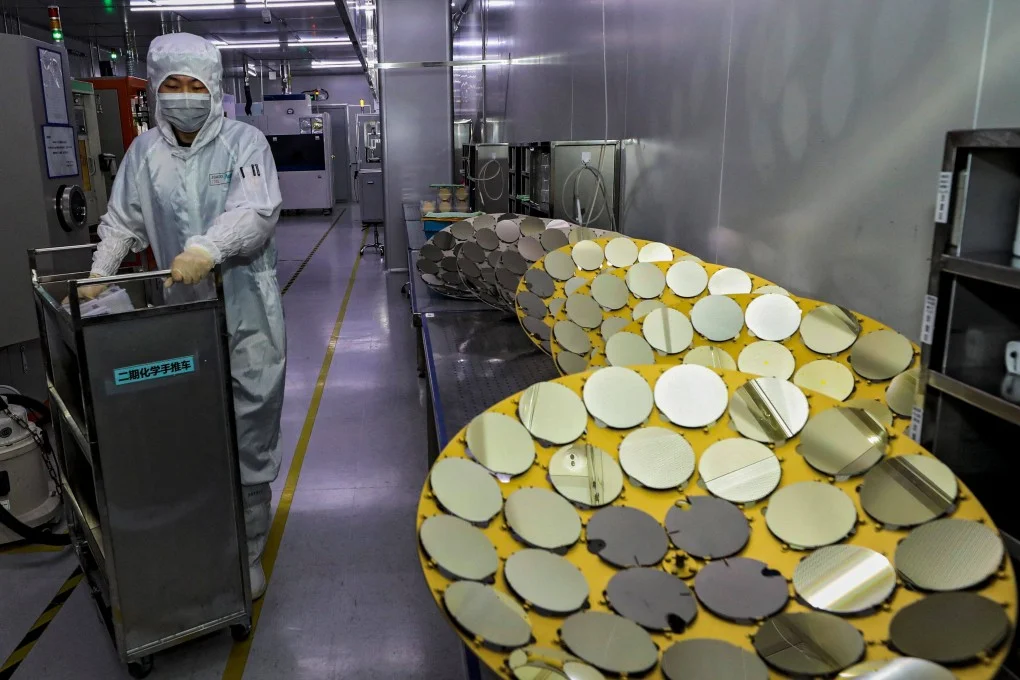
In a new escalation, the United States has introduced a bill aimed at imposing stricter restrictions on China's access to advanced chip manufacturing equipment. This move is part of Washington's ongoing efforts to curb Beijing's ambitions in the semiconductor industry, as it seeks to coordinate efforts with allies such as the Netherlands and Japan.
The bill, dubbed the "Multilateral Technology Oversight Coordination Act" (Match Act), was introduced last week by Republican Congressman Michael Baumgartner. This legislation aims to close loopholes in existing restrictions, reflecting U.S. concerns that China may exploit advanced technology to achieve its military and commercial objectives.
Details of the Legislation
The provisions of the new bill include expanding the scope of restrictions on the export of equipment and technology related to chip manufacturing. Analysts note that this step comes at a sensitive time, as China seeks to enhance its capabilities in this vital field. The United States hopes that its allies will support these efforts by imposing similar restrictions on their exports to China.
The semiconductor industry is considered a strategic sector that plays a crucial role in the global economy. With the increasing reliance on advanced technology, competition between the United States and China has intensified, prompting Washington to take bolder steps.
Background & Context
Historically, the United States has been a leader in the semiconductor industry, but in recent years, China has made significant advancements in this field. In 2020, the U.S. imposed restrictions on technology exports to Chinese companies such as Huawei, leading to escalating trade tensions between the two countries.
China is now striving for self-sufficiency in chip manufacturing, which poses a significant challenge to U.S. dominance in this sector. However, China's ability to access advanced technology from other countries like the Netherlands and Japan could undermine Washington's efforts.
Impact & Consequences
The United States anticipates that these restrictions will slow China's progress in the semiconductor industry, impacting its ability to develop new technologies. However, Washington may face challenges in convincing its allies to impose similar restrictions, as many countries rely on the Chinese market.
This move could also escalate tensions between the United States and China, potentially affecting global trade relations. If China continues to develop its capabilities in this area, competition may become fiercer, threatening global economic stability.
Regional Significance
For the Arab region, these developments may impact investments in the technology sector. Many Arab countries are seeking to attract investments in technology, and U.S. restrictions could reduce opportunities for collaboration with Chinese companies.
Additionally, tensions between the United States and China may affect economic relations between Arab states and both countries, requiring Arab nations to adopt strategic positions to safeguard their economic interests.
As competition between the United States and China in the technology sector intensifies, the future of the semiconductor industry globally hangs in the balance of these developments. Arab countries must closely monitor these events, as they may influence their economic and technological strategies in the future.