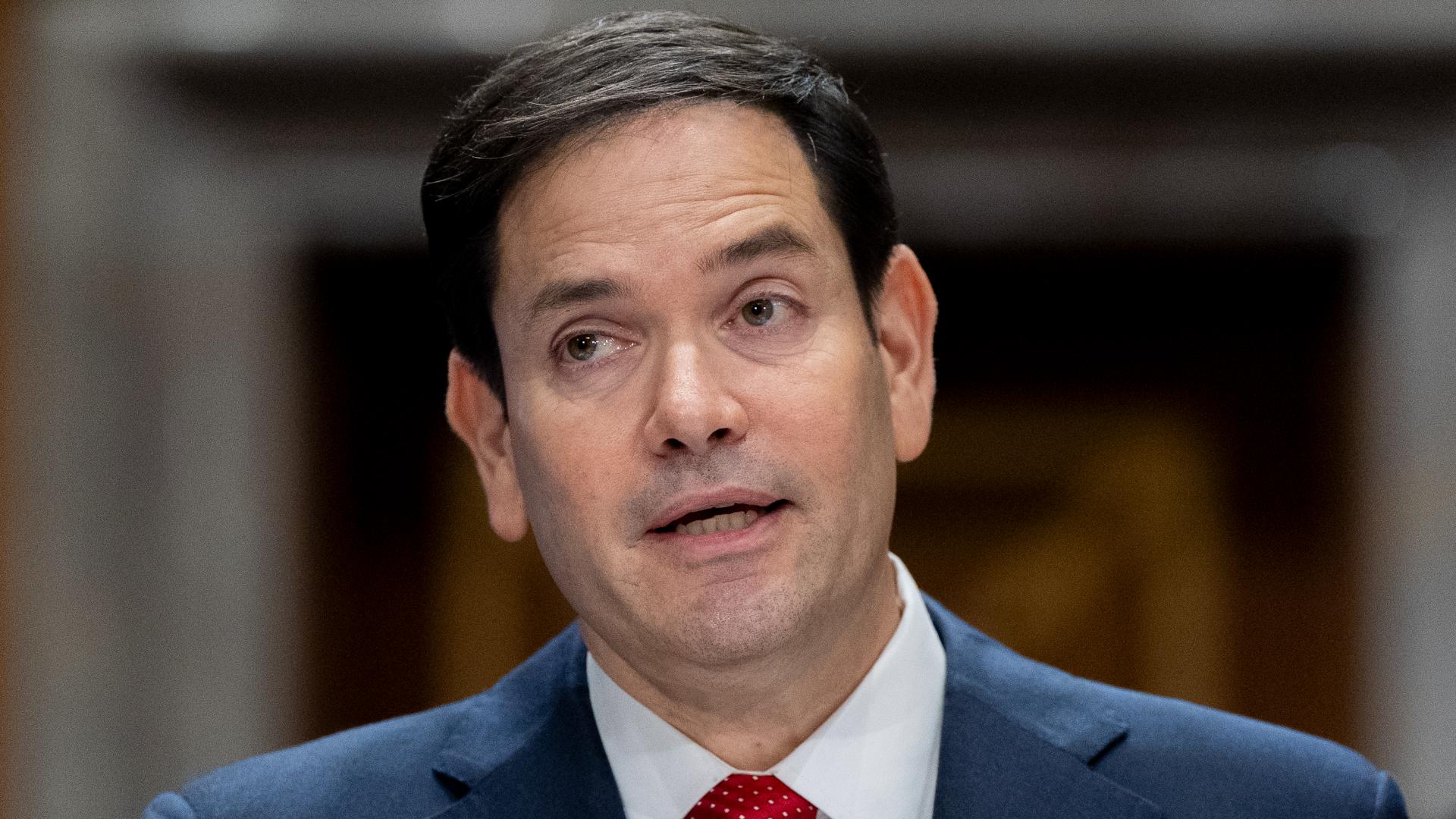
U.S. Secretary of State Marco Rubio stated in remarks on Tuesday that the United States may have to reevaluate its relationship with the NATO alliance after the conclusion of the war against Iran. These comments come at a time when cooperation between Washington and some of its European allies is experiencing a significant decline.
In an interview with Fox News, Rubio indicated that the viability of NATO for the United States is now in question, saying, "Unfortunately, there is no doubt that after this war ends, we will have to reconsider that relationship. We will have to reassess the benefits that NATO represents for our country."
Details of the Event
Rubio's statements coincide with European countries imposing restrictions on the use of their military bases by the U.S. military, which has displeased the American administration. Italy, France, and Spain have confirmed that they will not allow U.S. aircraft to land at their bases, reflecting increasing tensions between Washington and its allies.
Rubio also noted that the United States is not asking its allies to participate directly in military operations, such as conducting airstrikes, but it requires a minimum level of cooperation, which includes allowing the use of military bases. He questioned, "When we only need them to allow us to use their bases, and the answer is no? Then why are we in NATO?"
Background & Context
Historically, NATO has represented an important strategic alliance for the United States, helping it to extend its military influence in Europe. However, recent geopolitical changes, including rising tensions in the Middle East, have led some European countries to adopt more cautious stances regarding military cooperation with Washington.
Rubio, who has been a staunch advocate for NATO during his time in the Senate, emphasized the importance of the alliance in enhancing European security, but warned that this value could erode if Washington is prevented from using those bases to defend its interests.
Impact & Consequences
If European countries continue to impose restrictions on the use of military bases, this could lead to NATO becoming a "one-sided alliance," where the United States bears the burden of defending Europe without any actual reciprocity. Rubio asserted that this situation could fundamentally alter the nature of the relationship between Washington and its allies.
He also indicated that the final decision regarding the future of the relationship with NATO would rest with President Donald Trump, with expectations for a comprehensive review following the conclusion of the war against Iran.
Regional Significance
The Arab region is directly affected by these developments, as any change in U.S. strategy towards NATO could impact the balance of power in the Middle East. Additionally, the decline in cooperation between Washington and its European allies may open the door for other powers to enhance their influence in the region.
In conclusion, the relations between the United States and its European allies remain tense, necessitating close monitoring of upcoming developments and their impact on regional stability.