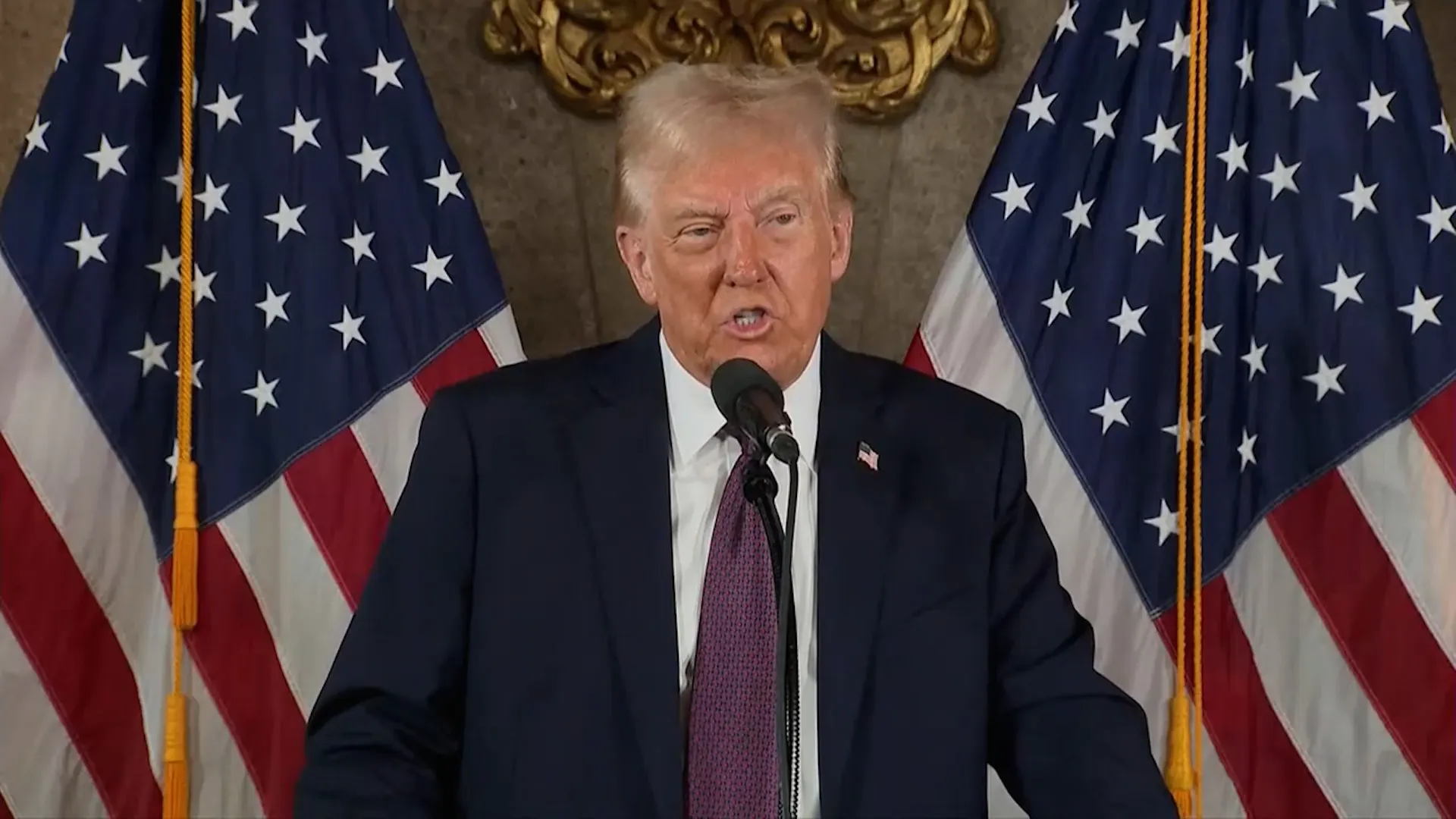
Sources from the White House have reported that the U.S. administration may seek financial support from Gulf Arab states to contribute to potential war costs against Iran. This move comes amid escalating tensions in the region, where Gulf countries bear the greatest burden of retaliatory attacks launched by Iran.
These statements are part of a broader strategy aimed at enhancing security and economic cooperation between the United States and its allies in the region, especially given the increasing threats from Iran. The White House has indicated that this step is part of the U.S. efforts to protect its interests and those of its allies in the Gulf.
Details of the Situation
Concerns are growing over the escalating tensions in the region, as recent weeks have seen a series of attacks targeting American and allied interests in the Gulf. Reports have confirmed that Iran may be behind these attacks, prompting the United States to reassess its strategy in the region.
In this context, Washington is seeking to bolster its military presence in the Gulf, which requires additional financial resources. Therefore, the request for contributions from Gulf states is a strategic move aimed at distributing the financial burdens more equitably among allies.
Background & Context
Historically, relations between the United States and Gulf states have been based on security and economic cooperation. These relations have undergone significant transformations over the years, particularly after the events of September 11, 2001, when the United States became more reliant on Gulf states in confronting terrorist threats.
With rising tensions with Iran, cooperation between the United States and Gulf states has become increasingly important. The region has witnessed numerous crises, including the conflict in Yemen and tensions in Iraq and Syria, which have heightened the need for joint strategies to address these challenges.
Impact & Consequences
If this request is approved, it could significantly impact relations between the United States and Gulf states. On one hand, it could enhance security cooperation; however, it may also raise concerns about escalating tensions with Iran.
This move could also increase pressure on Gulf governments, which may face criticism from their populations regarding military spending at a time when they are grappling with economic challenges. Thus, balancing security and economic stability will be crucial in the upcoming period.
Regional Significance
The Arab region is significantly affected by developments in the Gulf. Tensions between the United States and Iran could lead to widespread repercussions, including increased instability in Iraq, Syria, and Lebanon.
Moreover, any military escalation could impact oil prices and financial markets, negatively affecting Arab economies. Therefore, closely monitoring developments in the Gulf will be essential to maintaining stability in the region.
In conclusion, the United States' request for Gulf states to contribute to potential war costs reflects the complex challenges facing the region. While all parties seek to achieve security and stability, balancing security interests with economic considerations will be critical in the near future.