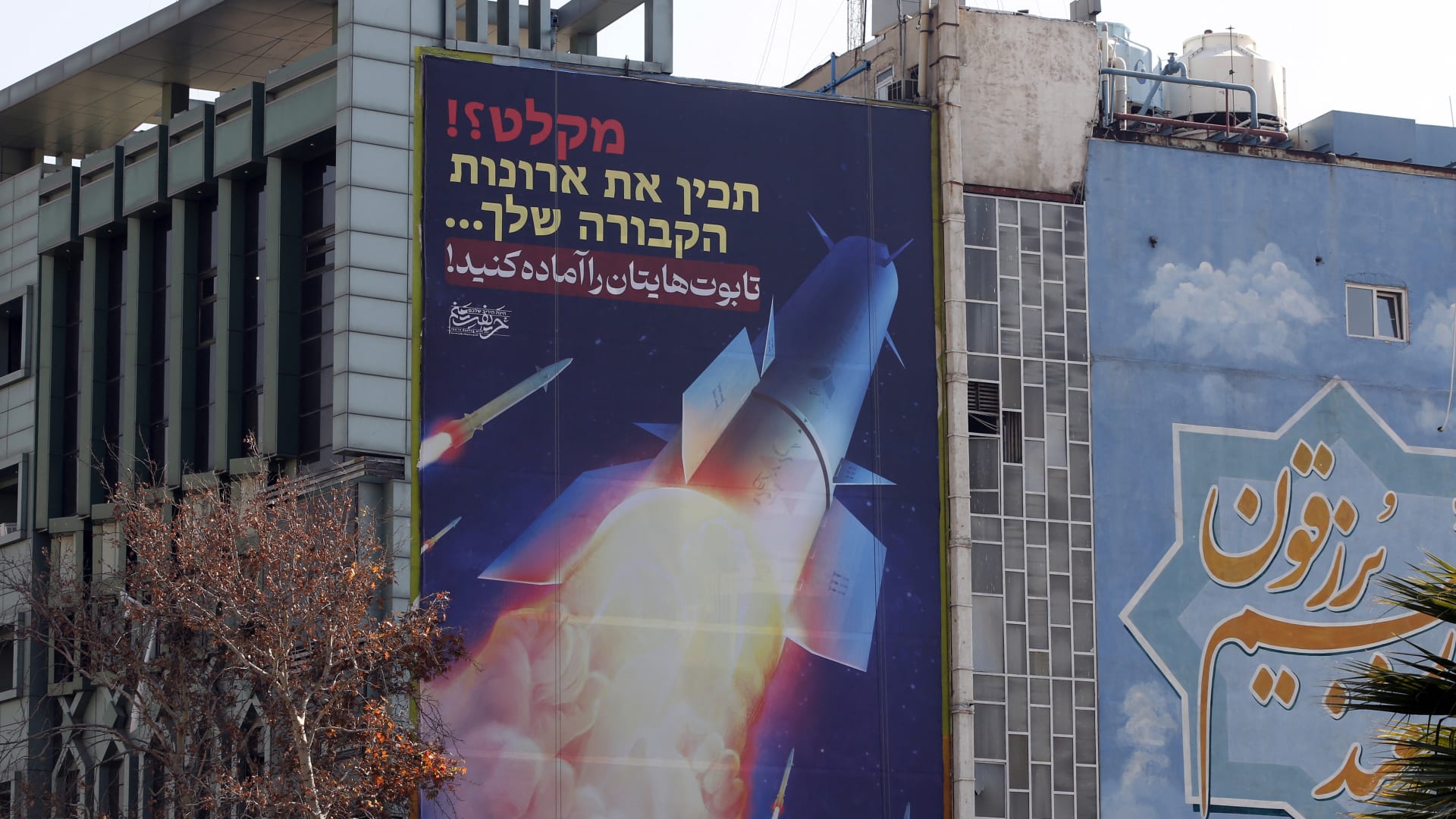
The United States announced today, Thursday, that it has sent a 15-point action list to Iran to serve as a basis for negotiations aimed at ending the ongoing conflict. This statement was made by U.S. envoy Steve Wittkoff during a Cabinet meeting at the White House, where he pointed out that there are indications of Tehran's interest in reaching an agreement.
This step comes at a time when relations between Washington and Tehran are experiencing noticeable tension, especially after the United States withdrew from the Iranian nuclear deal in 2018. However, it seems that there is an increasing desire from both sides to return to the negotiating table, which could contribute to easing tensions in the region.
Details of the Action List
During the meeting, Wittkoff explained that the list sent includes key points related to the Iranian nuclear file, in addition to issues concerning regional security. He emphasized that these points aim to build trust between the two parties, facilitating the negotiation process.
He also noted that there are positive indicators from the Iranian side, as statements from Iranian officials have been observed reflecting their willingness to return to negotiations. These statements may indicate a shift in Iranian policy towards dialogue, which could open the door to new opportunities for cooperation between the two countries.
Background & Context
Historically, U.S.-Iranian relations have experienced significant fluctuations, beginning to deteriorate after the Islamic Revolution in Iran in 1979. Since then, the United States has imposed economic sanctions on Iran, which have significantly impacted the Iranian economy. However, discussions regarding the Iranian nuclear program have seen some progress in recent years, particularly during the administration of Barack Obama.
After the U.S. withdrawal from the nuclear agreement, Iran resumed uranium enrichment at higher rates, escalating tensions. Nonetheless, political changes in the region, including rapprochement between some Arab states and Iran, may contribute to creating a more conducive environment for dialogue.
Impact & Consequences
If negotiations between the United States and Iran succeed, this could lead to the easing of sanctions imposed on Tehran, contributing to improving the economic situation in the country. Additionally, this agreement could contribute to regional stability, as tensions between Iran and Gulf Arab states could affect regional security.
Furthermore, the success of these negotiations may encourage other countries to engage in similar dialogues, enhancing prospects for peace in the Middle East. However, the question remains regarding Iran's willingness to make concessions, especially amid internal and external pressures.
Regional Significance
The U.S.-Iranian relationship is pivotal in shaping the political landscape in the Middle East. Any progress in negotiations could directly impact Gulf Arab states, which are concerned about Iranian influence in the region. Improving relations between Washington and Tehran could also help reduce tensions in Iraq, Syria, and Lebanon.
At the same time, Arab states must be prepared to deal with any changes in regional dynamics, as any agreement could lead to a reshaping of alliances in the region. Thus, monitoring these negotiations is crucial for the future of security and stability in the Middle East.
In conclusion, attention remains focused on Tehran and Washington, as any progress in negotiations could have far-reaching effects on the entire region.