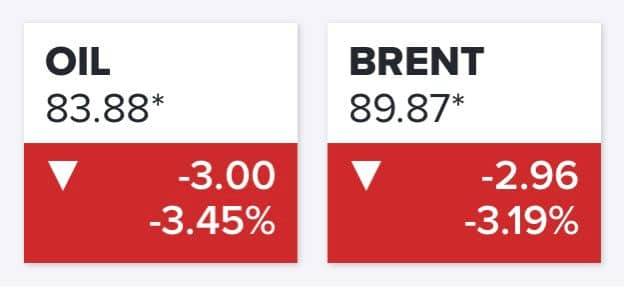
Oil prices have seen a significant rise in recent weeks, attributed to escalating tensions in the Middle East, particularly due to the conflict in Iran. In light of these circumstances, the Trump administration decided to implement a temporary partial suspension of sanctions on Russian oil, which will enhance Moscow's ability to export its oil to global markets.
The primary benefits for Russia from this decision manifest through increased financial revenues due to rising oil demand. Moscow is one of the world's leading oil-exporting countries and may seek to expand its influence in the energy market, taking advantage of the current situation in the Middle East that negatively impacts oil supplies from certain countries.
The suspension of sanctions is expected to lead to an increase in Russian oil exports, bolstering Russia's position as a key supporter for Europe amid the energy crisis caused by geopolitical conflicts. Moscow also intends to assert its capability to replace the sanctioned Iranian oil, enhancing Russia's image as a savior for Europe during tumultuous times.
Russia's moves may reflect a calculated strategy to exploit crises to expand its influence and secure its economic interests. However, the question remains about the sustainability of these benefits amidst potential changes in U.S. policy or the policies of Middle Eastern countries.
It is also noteworthy that international reactions to this decision, particularly from major oil market players, may play a crucial role in shaping the future of economic relations among them and could create ramifications in global oil markets that extend beyond Russia.