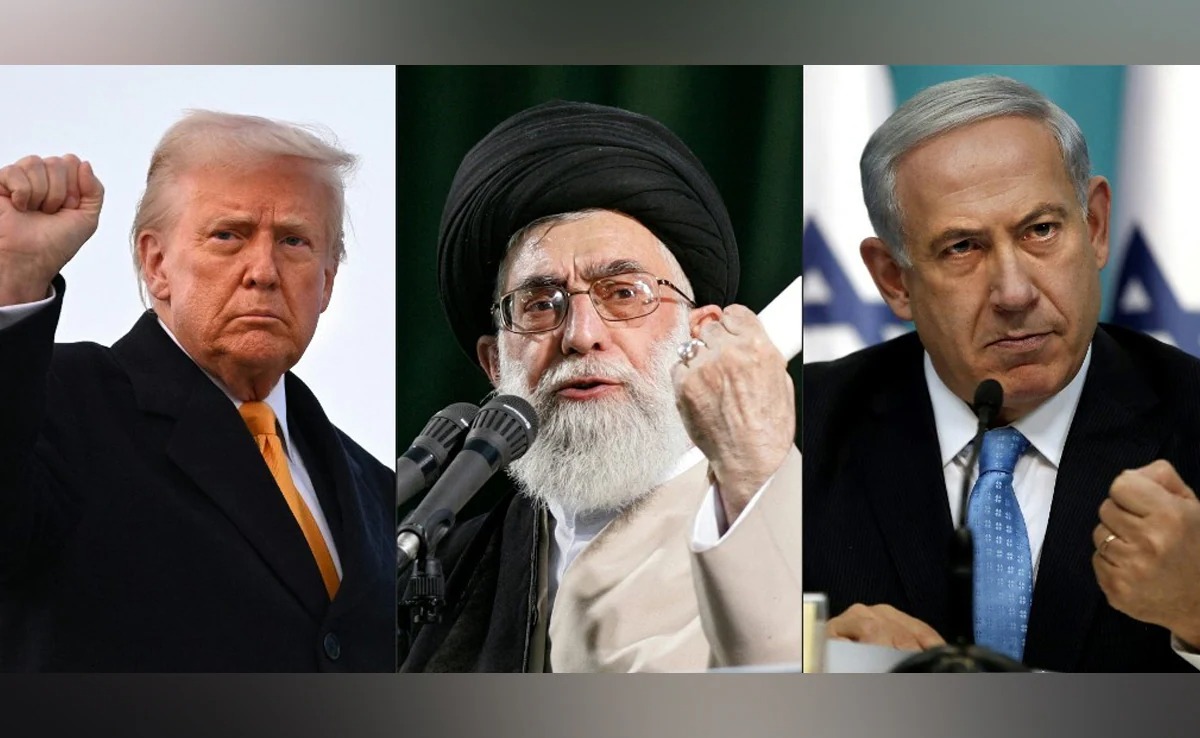
The United States of America and Iran are seeking to make progress toward a potential agreement aimed at establishing a ceasefire in the region, in exchange for reopening the Strait of Hormuz, which is considered one of the most important waterways in the world. This development occurs at a time when relations between the two parties are increasingly strained, raising questions about the possibility of achieving sustainable peace in the area.
The Strait of Hormuz is a vital strategic point, through which approximately 20% of the world's total oil exports pass. Therefore, any escalation in military tensions in this region could significantly impact global oil markets and exacerbate economic crises in the countries of the region.
Details of the Event
According to informed sources, discussions between Washington and Tehran may involve specific conditions related to halting military operations on the part of Iran in exchange for American guarantees to reopen the Strait of Hormuz. Tehran has shown a willingness to discuss these conditions, in a move that may reflect its desire to alleviate the economic pressures it faces due to the sanctions imposed on it.
At the same time, the United States is striving to enhance navigation security in the Gulf, making the reopening of the Strait of Hormuz vital for its interests. Some American officials have indicated that any agreement must include clear mechanisms for monitoring compliance with the agreed-upon conditions.
Background & Context
The roots of the tensions between Washington and Tehran date back several years, with a significant deterioration in relations following the United States' withdrawal from the Iranian nuclear agreement in 2018. Since then, Washington has imposed strict economic sanctions on Iran, exacerbating the economic situation in the country.
The region has also witnessed a notable military escalation, with Iran conducting several military operations against American interests and its allies, further heightening tensions. In this context, the current talks represent a potential opportunity to ease the crises, despite the significant challenges they face.
Impact & Consequences
If an agreement is reached between Washington and Tehran, it could have positive effects on regional security and enhance the stability of global oil markets. It may also help alleviate economic pressures on Iran, potentially leading to improved living conditions for Iranian citizens.
However, the question remains regarding the ability of both parties to adhere to the agreed-upon conditions, especially given the long history of distrust between them. Any failure to implement the agreement could lead to a new escalation in tensions, threatening regional security and exacerbating economic crises.
Regional Significance
The neighboring Arab countries to Iran and the United States are among the most affected by any developments in the relations between the two parties. The stability of the Strait of Hormuz means stability in oil supplies, which positively impacts the economies of these countries.
Moreover, any agreement could contribute to easing military tensions in the region, potentially opening the door for more dialogue and cooperation between Arab countries and Iran. However, Arab nations must remain cautious and closely monitor developments to safeguard their interests and security.
In conclusion, reaching an agreement between Washington and Tehran remains a complex matter, but it could represent a rare opportunity to achieve peace in a region suffering from ongoing crises and conflicts.