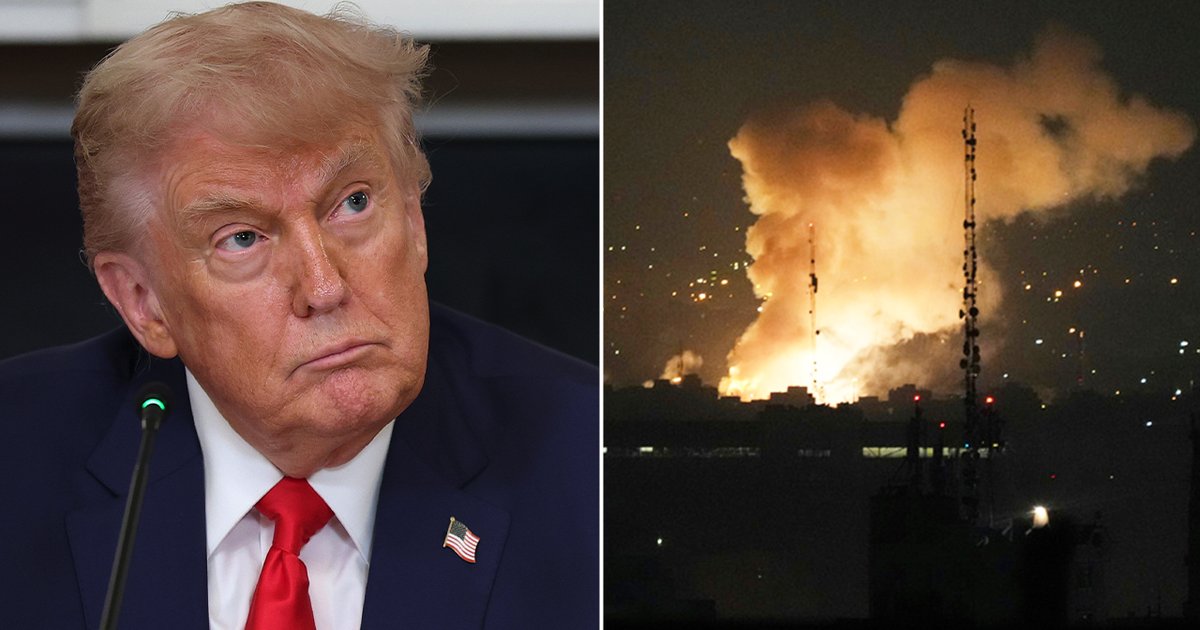
A month after the US-Israeli aggression against Iran, which began on February 28, 2026, disappointment in military expectations is unfolding for Washington and Tel Aviv. Events have shown that Iranian military strength has withstood pressure unexpectedly, raising questions about the effectiveness of the strategy employed.
Former US President Donald Trump, known for his reckless statements, acknowledged that they did not anticipate this level of resistance from Iran, reflecting inaccuracies in the military and political assessments relied upon by the United States and Israel.
Details of the Event
The aggression led by Washington in cooperation with Tel Aviv was supposed to be a preemptive strike that would cripple Iran's military decision-making capabilities. However, reports indicate that military pressures have yielded only limited results, with approximately one-third of Iran's stockpile of missiles and drones destroyed, while Iranian military capabilities remain capable of responding effectively.
Recent developments, including the entry of the Houthis in Yemen into the war arena, suggest that the conflict may extend into new regions, complicating the situation further and multiplying the costs of war. These new dynamics reflect the inability of military strategies to control the course of events.
Background & Context
Historically, relations between the United States and Israel have been based on military and security cooperation, but this war reveals a gap in military assessments. Washington believed that military pressures would lead to the collapse of the Iranian regime, but reality has proven otherwise, as the regime has managed to organize pro-government demonstrations and has not fragmented as expected.
The military strategy adopted by the United States, which relied on preemptive strikes, did not take into account the distributed and flexible nature of Iranian military capabilities, resulting in a failure to achieve the set goals.
Impact & Consequences
Regionally, concerns are growing that this war could lead to greater escalation in the area. Gulf countries, in particular, are worried that their territories may become direct targets in the conflict, prompting them to adopt balanced positions to avoid slipping into a broader conflict.
In this context, regional powers have begun to seek new diplomatic pathways, with coordination taking place among Saudi Arabia, Turkey, Egypt, and Pakistan, in an attempt to manage the crisis in a way that limits escalation. These efforts reflect the urgent need to find a regional mechanism for crisis management instead of relying on traditional military strategies.
Regional Significance
The continuation of this war raises questions about the future of relations between Arab countries and Iran, as increased pressure on Iran may lead to aggressive escalation in the region. Additionally, the economic impact of the war, including rising oil prices, could significantly affect the global economy, increasing pressures on governments.
In conclusion, the war that began as a short and decisive military operation is transforming into a long-term conflict, complicating the regional situation further. The question now is not who strikes harder, but who can stop this fire before it turns into a comprehensive regional collapse.