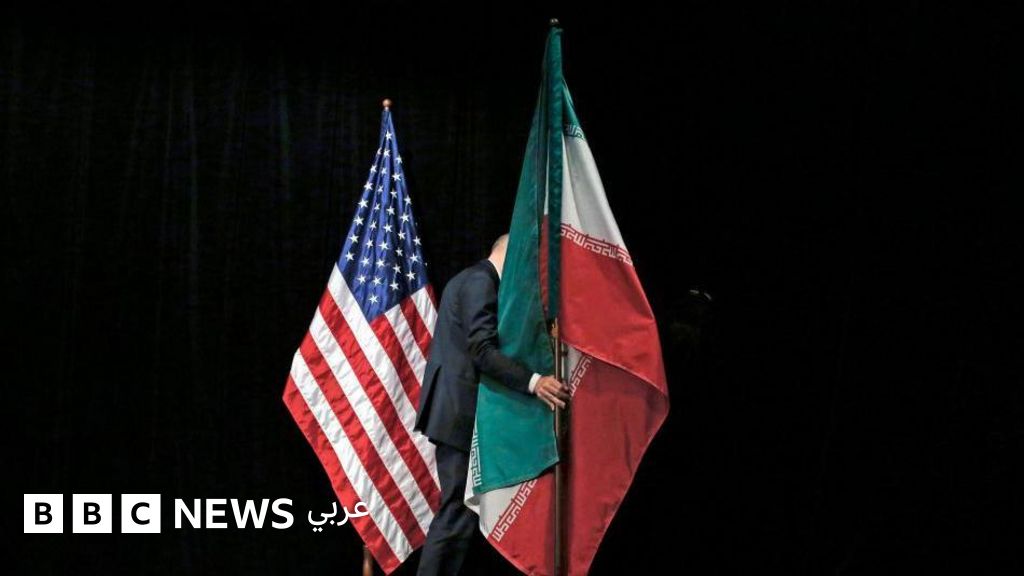
A report from Yisrael Hayom reveals that the United States and Israel have chosen not to target Iranian President Masoud Bezhakian and Foreign Minister Abbas Araqchi to maintain a negotiation channel with the Iranian regime amid rising tensions. Western diplomatic sources indicate that this decision is part of a strategy aimed at ensuring the presence of an internal party capable of ending the war before the regime collapses.
The report highlights the tense military and political situation between Washington and Tel Aviv on one side, and Iran on the other. Tehran has deemed the American proposal to halt fighting a ruse in preparation for a ground attack, while the United States and Israel believe that the war could continue for weeks, with an American insistence on achieving its objectives, primarily the complete termination of the Iranian nuclear program.
Details of the Situation
Military operations against Iran continue, with the United States and Israel focusing on destroying missile launch platforms and drones, in addition to carrying out targeted assassinations of Iranian military leaders. However, the decision not to target Bezhakian and Araqchi has been a deliberate one since the beginning of the war, as they have been granted "immunity" to maintain a potential negotiation channel with figures capable of ending the conflict.
According to security sources, it would have been easy to eliminate Bezhakian and Araqchi, but this was avoided for strategic reasons related to maintaining a diplomatic "lifeline." One source indicated that eliminating Iranian military leadership was possible, but controlling other elements of the regime, such as Revolutionary Guard leaders, remains complex.
Background & Context
Disputes within the Iranian regime are increasing, particularly between political leaders and the Revolutionary Guard. The regime is suffering from a deepening internal crisis, with rising cases of defection due to deteriorating living conditions and unpaid salaries. Reports indicate that the majority of Iranian employees have not received their salaries, except for a holiday bonus that was transferred last week.
This situation reflects a significant decline in the regime's ability to continue the war, which could impact its internal stability. At the same time, Gulf countries, including Oman, continue to support the American position, emphasizing the need for the campaign to continue until the Iranian threat is removed, especially following Tehran's demands for control over the Strait of Hormuz.
Impact & Consequences
Attention is turning to how these developments will affect regional stability. Continued military operations against Iran could lead to greater escalation in the region, threatening regional security and increasing tensions. Additionally, keeping communication channels open with Iranian leaders could represent an opportunity for reaching settlements, although this requires a delicate balance between military and diplomatic pressure.
On the other hand, the ongoing disputes within the Iranian regime could contribute to its weakening, potentially opening the door for internal political changes. However, any change may come with significant risks, especially given the tense security situation.
Regional Significance
These events are of great importance to the Arab region, as the tensions between Iran and the United States have direct implications for regional security. Arab countries, particularly those sharing maritime borders with Iran, are closely monitoring developments, as any escalation could impact navigation in the Strait of Hormuz, one of the world's most important maritime corridors.
In conclusion, the situation in Iran remains a significant point of interest, as any changes that may occur within the regime could greatly affect political balances in the region. Additionally, the continuation of tensions may drive Arab countries to strengthen their alliances to face increasing security challenges.