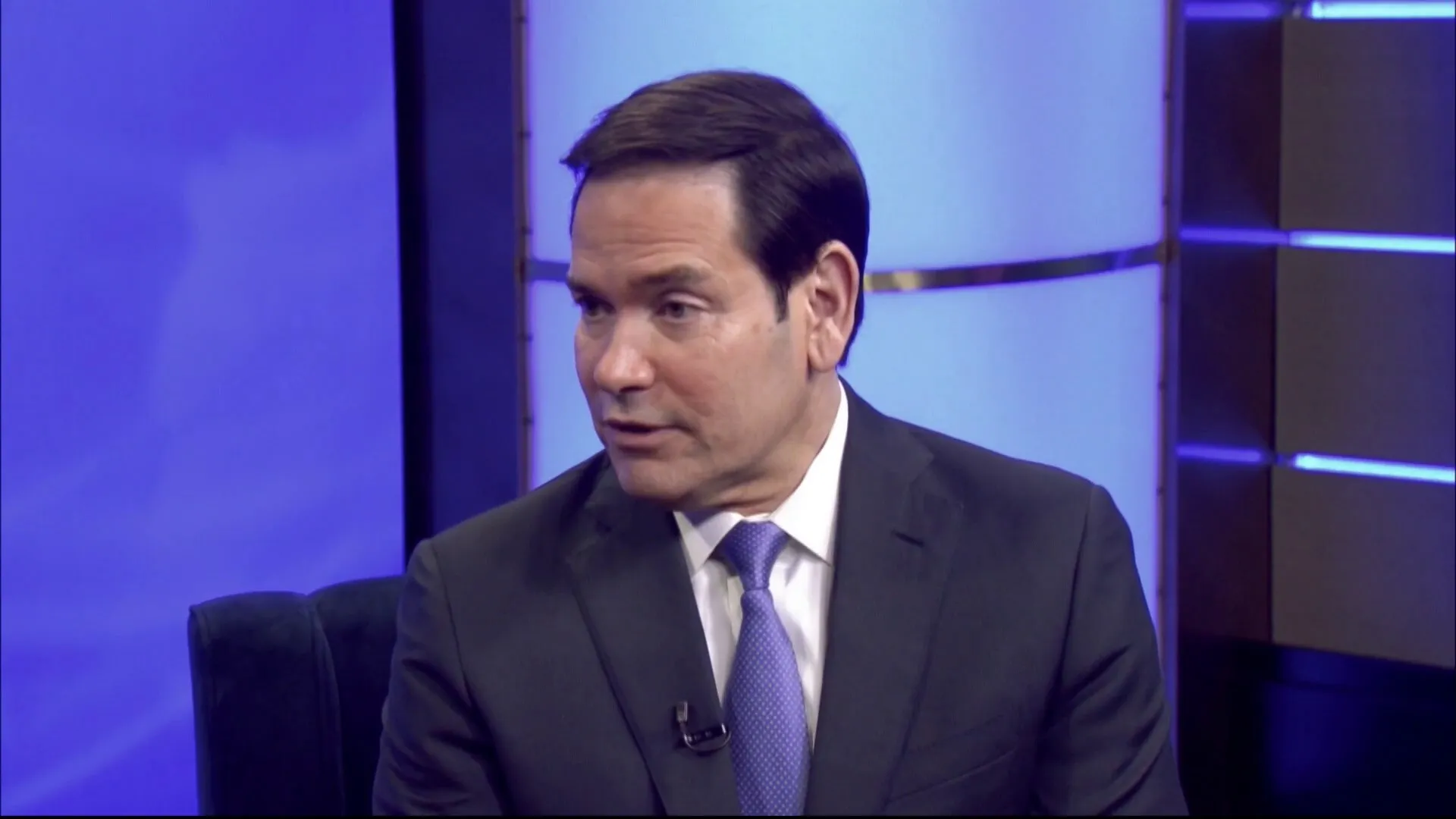
U.S. Secretary of State and National Security Advisor, Marco Rubio, has asserted that the United States is committed to resolving the conflict with Iran within a short timeframe. He stressed that the U.S. strategy is based on rejecting any partial settlements and imposing comprehensive concessions regarding the nuclear program, uranium stockpile, as well as ballistic missiles and drones.
In a special interview with Al Jazeera's Washington bureau chief, Hashim Ahel Barah, Rubio explained that his country is closely coordinating with its allies in defense matters. He confirmed that ongoing military operations aim to undermine Iranian capabilities that are used to threaten regional countries and vital infrastructure.
Details of the Situation
Regarding the Strait of Hormuz, the U.S. Secretary emphasized that Washington will not accept any Iranian control over it, describing such a scenario as a dangerous precedent. He noted that the strait will be opened one way or another, either with Tehran's consent or through an international coalition led by the United States, warning of dire consequences if Iran attempts to close it.
Rubio also pointed out that Iran is currently at its weakest point in years, accusing it of intensifying attacks on diplomatic facilities and airports in the region, while seeking to acquire nuclear weapons to threaten and extort the world, which the U.S. has vowed to prevent. He argued that regional stability can only be achieved by destroying Iran's capabilities to launch missiles and drones.
Context and Background
Rubio's statements come at a time of increasing tension in U.S.-Iranian relations, as Iran continues to develop its nuclear program despite international warnings. Recent years have seen an escalation in Iranian military activities, including attacks on vital facilities in Gulf countries, raising concerns among the United States and its allies.
Historically, the United States has imposed strict economic sanctions on Iran to pressure it to abandon its nuclear ambitions. However, Iran remains steadfast in its position, complicating international diplomatic efforts.
Consequences and Impact
Rubio's statements underscore that the United States will not tolerate any threats to its national security or the security of its allies in the region. This reflects Washington's strategy aimed at enhancing its military presence in the Middle East, which could lead to heightened tensions with Iran.
If Iran continues to challenge U.S. pressures, we may witness a military escalation that could affect the stability of the entire region. Additionally, any military moves by the United States could provoke violent reactions from Iran and its allies, increasing the likelihood of a widespread conflict.
Impact on the Arab Region
The Gulf Arab states are at the heart of these tensions, as their economies heavily rely on the stability of navigation in the Strait of Hormuz. Any escalation in the conflict could negatively impact oil prices and increase instability in the region.
Moreover, the U.S. statements may bolster the position of Arab countries seeking to counter Iranian influence in the region, potentially leading to new alliances and changes in regional policies.
In conclusion, the situation in Iran and the region as a whole remains complex, with political and military interests intertwining, necessitating close monitoring by the international community.