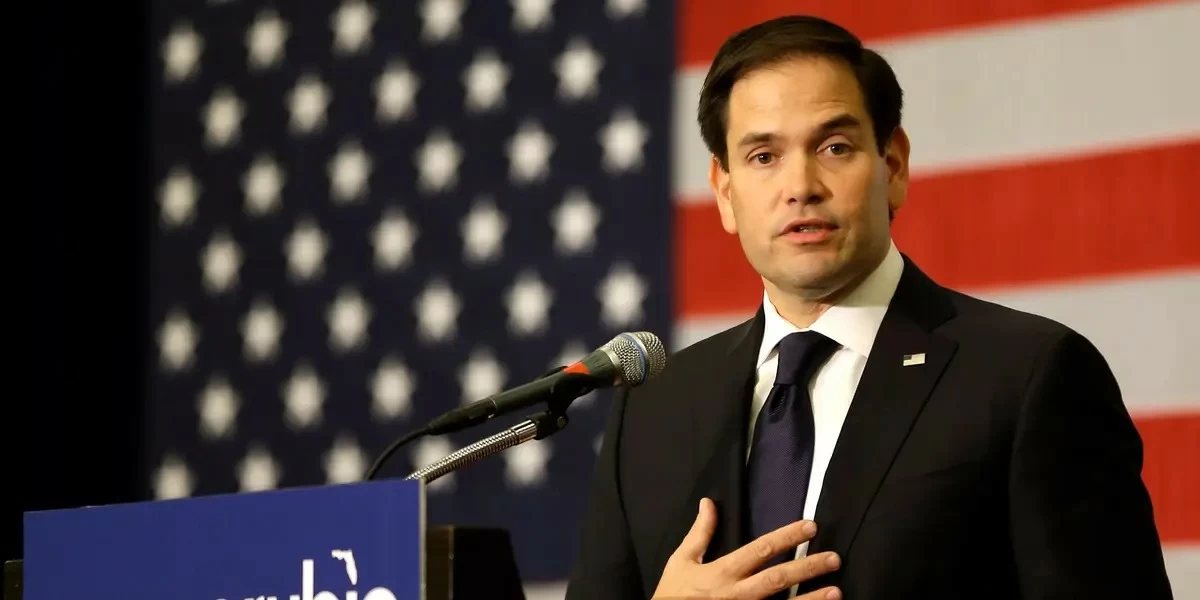
U.S. Secretary of State Marco Rubio stated today (Monday) that the United States will not allow Iran to control the Strait of Hormuz or impose fees on ships passing through it, describing any Iranian attempt in this direction as "illegal, unacceptable, and dangerous to the world."
Rubio explained in his remarks that "one of the immediate challenges we will face after operations conclude is that Iran may attempt to establish a fee system in the Strait of Hormuz. This is not only illegal but also unacceptable and poses a danger to the entire world. It is important for the world to have a plan to confront it."
Details of the Event
The U.S. Secretary of State noted that "the Strait of Hormuz could be opened tomorrow if Iran ceased threatening navigation. What the Iranians say publicly does not reflect what they say in our conversations." He also confirmed that the United States is ready to participate in any international plan to ensure freedom of navigation in the strait, urging European and Asian countries, as well as nations benefiting from global trade, to contribute effectively to this effort.
Rubio emphasized that "no country or terrorist regime like the current Iranian regime should ever control international waterways." These statements come amid rising tensions between the United States and Iran, as the region is experiencing an ongoing war that began in late February, leading to a near-total closure of the Strait of Hormuz, considered one of the most important waterways in the world.
Background & Context
Approximately 20-30% of the world's daily oil supplies pass through the Strait of Hormuz, along with significant quantities of liquefied natural gas. In the context of these tensions, the Iranian parliament is seeking to legislate a permanent fee system for passing ships, requiring prior permission from the Iranian Revolutionary Guard Corps in exchange for payment of fees, under the pretext of "asserting Iranian sovereignty" over the strait. Iran has already begun selectively applying temporary fees over the past weeks.
Rubio described this move as a threat to global economic security, warning that it could lead to a sharp rise in oil and energy prices, particularly harming oil-importing countries in Asia and Europe.
Impact & Consequences
The U.S. Secretary indicated that American military operations against Iran, focusing on destroying Iranian missile capabilities, drones, and naval and air forces, are proceeding "on schedule or better," and are expected to conclude "within weeks, not months." Rubio also called for the formation of a joint international naval force after the war to ensure the reopening of the strait and the freedom of international navigation.
He confirmed that the United States does not need to lead these efforts alone but expects broad contributions from allies and concerned nations. These statements reflect growing American concerns about Iranian influence in the region and its impact on global security.
Regional Significance
These American statements serve as a clear warning to Tehran and may escalate tensions in the region, especially given the strategic importance of the Strait of Hormuz. Any Iranian attempt to impose fees on ships could provoke strong international reactions, highlighting the importance of international cooperation in protecting waterways.
In conclusion, the situation in the Strait of Hormuz remains under scrutiny, as fears grow about the conflict's impact on global oil markets, necessitating a response from the international community to protect freedom of navigation and ensure supply stability.