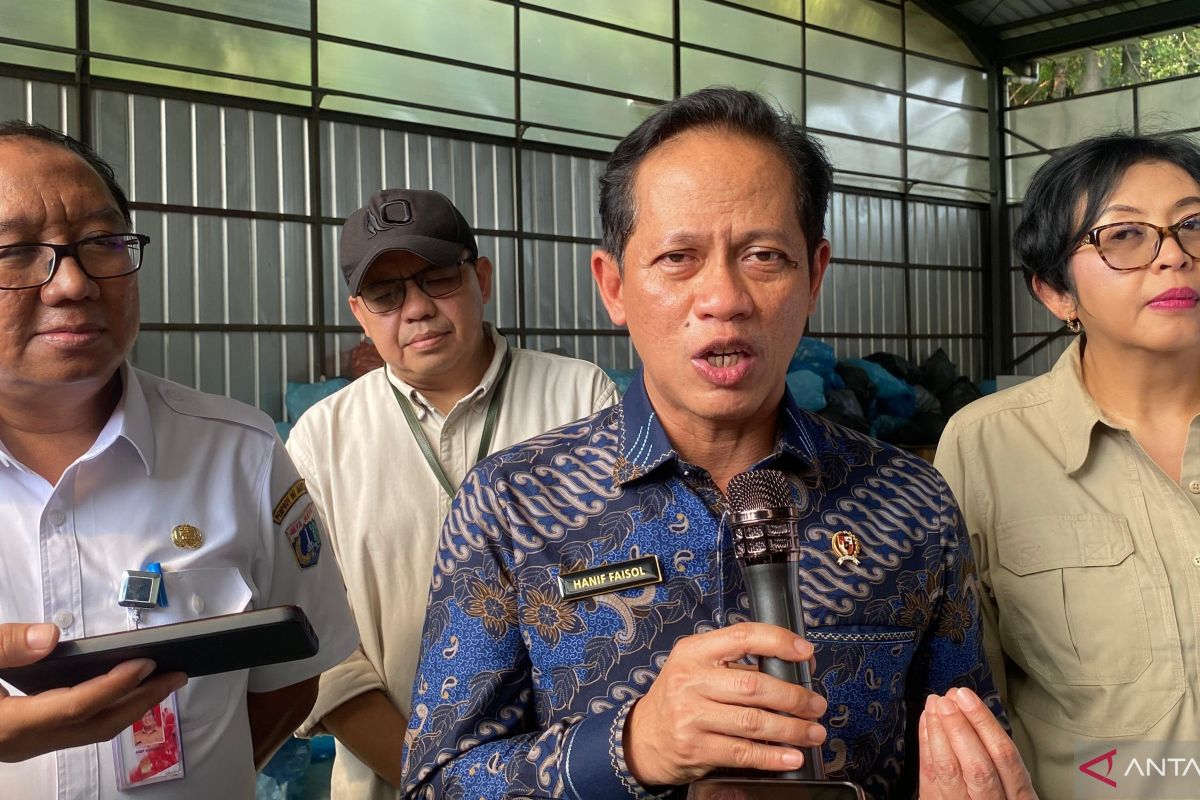
The area of Rawadas in Jakarta is experiencing a severe waste management crisis, with garbage accumulating in a temporary waste collection site to heights of up to 4 meters. Ninu Hadi Purwanto, the head of the area, reported that the reason for this accumulation is the failure of transport trucks to reach the site, leading to an unprecedented buildup of waste.
Hadi explained that waste is increasing daily, as it is being collected without the ability to transport it to the integrated waste processing center in Bantargebang. He noted that the suspension of transport services for a certain period contributed to worsening the situation, as waste was collected on-site to ensure continued service for residents.
Details of the Incident
The waste has piled up in Rawadas, reaching heights of 3 to 4 meters in some areas, obstructing traffic on surrounding streets. Hadi confirmed that trucks loaded with waste were unable to unload at Bantargebang, forcing them to return without emptying their loads.
This situation has caused significant discontent among residents, with Oji, a local resident, expressing his distress over the foul odors emanating from the accumulated waste, which is affecting their daily lives. Residents have urged the local government to take swift action to resolve this crisis.
Background & Context
Waste management is one of the major challenges facing many large cities around the world, particularly in developing countries. In Indonesia, where population density is increasing, the pressures on waste management systems are mounting. Jakarta, being one of the largest capitals in the world, has faced recurring problems in this area, raising concerns about public health and the environment.
Historically, there have been attempts to improve the waste management system in the city, but these often encounter obstacles related to funding and logistics. With the growing population, there is an increasing need for effective and sustainable solutions.
Impact & Consequences
If the waste crisis in Rawadas is not addressed urgently, the situation could worsen further, leading to serious health problems for residents. The accumulation of waste can lead to the outbreak of diseases, in addition to negatively impacting the environment.
It is crucial for the local government to take rapid steps to ensure the improvement of transport and waste disposal services. Residents must also cooperate with local authorities to find sustainable solutions to this problem.
Regional Significance
Waste management is a vital issue that many Arab countries also face, with some cities suffering from similar problems of waste accumulation. The experience of Jakarta can serve as an important lesson for Arab countries on how to tackle these challenges by improving transport and waste disposal systems.
Ultimately, resolving the waste crisis in Rawadas requires collaboration between the government and the local community to ensure a healthy and safe environment for all.