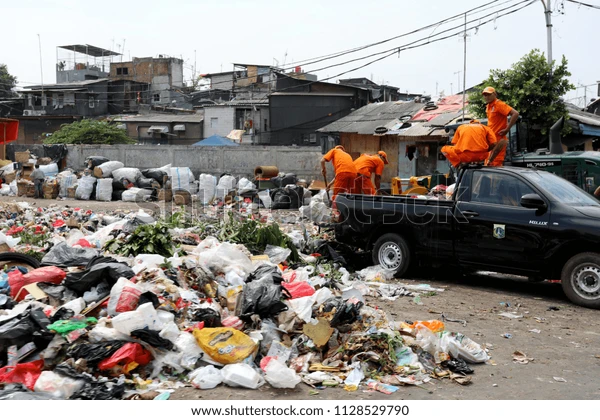
A collapse at the integrated waste processing site (TPST) in Bantargebang, Jakarta, has resulted in a significant backlog of waste in the Cipinang area, where long queues of vehicles transporting waste have become an unusual sight. Cleaners have confirmed that this situation has severely impacted operations, leading to delays in waste collection.
One cleaner, Nur Ali, 40, stated that long queues of vehicles began to form as a result of the collapse that occurred in Bantargebang. He explained, "The waiting time has become prolonged due to the obstacles in Bantargebang, affecting all surrounding areas."
Details of the Incident
The Cipinang area is one of the regions that receives waste from several neighborhoods in East Jakarta, meaning that any delay in the processing operation directly impacts the entire city. Ali noted that the current situation is unusual, as waste collection was supposed to occur swiftly and without delay.
Under normal circumstances, the waste collection process takes about half an hour, but with the current situation, workers are forced to wait for extended periods of up to several hours. Ali explained that in the days leading up to Eid al-Adha, work begins early, as he leaves his home at three in the morning and returns in the afternoon.
Background & Context
The collapse at the TPST Bantargebang occurred on Sunday, March 8, 2026, leading to the temporary closure of the site until evacuation operations are completed. Asib Kuswanto, head of the Jakarta Environmental Agency, confirmed that the closure will continue until all necessary procedures are finalized.
The TPST Bantargebang receives approximately 7,300 to 7,500 tons of waste daily, meaning that any disruption in the process significantly affects the city. Local authorities are currently working to find alternative disposal sites to avoid further congestion.
Impact & Consequences
This incident exemplifies the challenges faced by major cities in managing waste. With a growing population and increasing waste volume, it becomes essential to develop effective systems to address this issue. The current incident has demonstrated how natural disasters can exacerbate environmental crises.
The government is seeking to improve waste management by establishing new facilities and upgrading existing infrastructure. However, challenges remain, and there must be a swift and effective response to address future crises.
Regional Significance
Waste management is a vital issue facing many Arab countries, especially with rapid population growth and urban expansion. The experiences of Jakarta can serve as an important lesson for Arab nations on how to handle environmental crises.
Arab countries need to enhance waste management strategies and develop suitable infrastructure to tackle environmental challenges. Cooperation among countries in this field can contribute to improving the overall environmental situation.