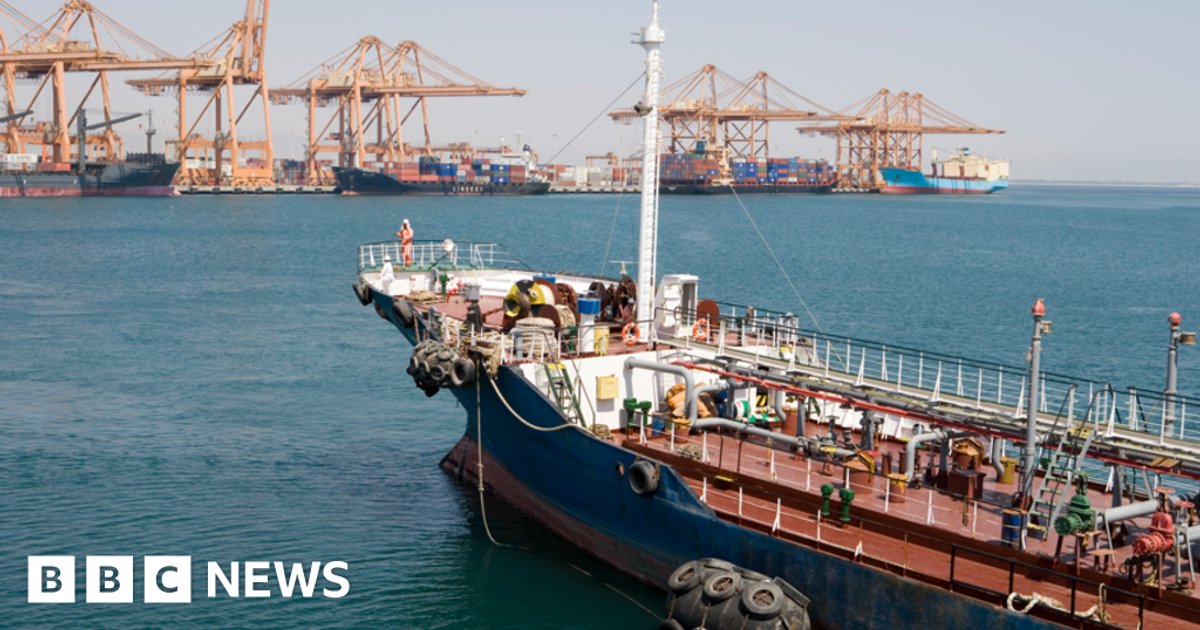
Global oil markets are under scrutiny as tensions escalate between Iran and the United States, with expectations that oil prices could rise significantly if a ceasefire agreement is not achieved. These developments come at a critical time, as the global economy heavily relies on stable oil prices.
Reports suggest that any escalation in the conflict could lead to a sharp increase in oil prices, negatively impacting the global economy and increasing inflationary pressures. Should tensions persist, oil markets may experience significant volatility, raising concerns among investors and analysts alike.
Details of the Situation
Forecasts indicate that oil prices could reach new record levels if the current conditions remain unchanged. In the absence of an agreement, Iran may resort to increasing its oil production, which could provoke reactions from the United States and its allies in the region.
Iranian oil is considered one of the main energy sources in the global market, and any disruptions in this sector could lead to supply shortages and rising prices. There are also fears that any attacks on oil facilities in the region could exacerbate the situation.
Background & Context
Historically, relations between Iran and the United States have been strained, especially following Washington's withdrawal from the nuclear agreement in 2018. Since then, the United States has imposed strict sanctions on Iran, affecting its economy and leading to a reduction in its oil exports.
In recent years, the region has witnessed numerous conflicts and disputes that have contributed to rising oil prices, such as attacks on oil tankers in the Strait of Hormuz. These events highlight the importance of regional stability and its direct impact on global markets.
Impact & Consequences
If oil prices continue to rise, this will directly affect the global economy, as transportation and production costs will increase, potentially leading to higher prices across various sectors. Additionally, oil-importing countries will face greater economic pressures, which may reflect on social and political stability.
On the other hand, oil-producing countries may benefit from rising prices, increasing their revenues and bolstering their economies. However, these benefits may be temporary if tensions in the region persist.
Regional Significance
Arab oil-producing countries, such as Saudi Arabia and the United Arab Emirates, are among the most affected by fluctuations in oil prices. Any increase in prices could lead to higher oil revenues, but at the same time, these countries may face pressures from oil-consuming nations.
The situation in Iran may also impact regional security, as any escalation could heighten tensions between Arab nations and Iran, negatively affecting stability in the region.
In conclusion, the question remains: Will the involved parties be able to reach an agreement that ensures the stability of oil prices, or will tensions continue to escalate, leading to dire consequences for the global economy?