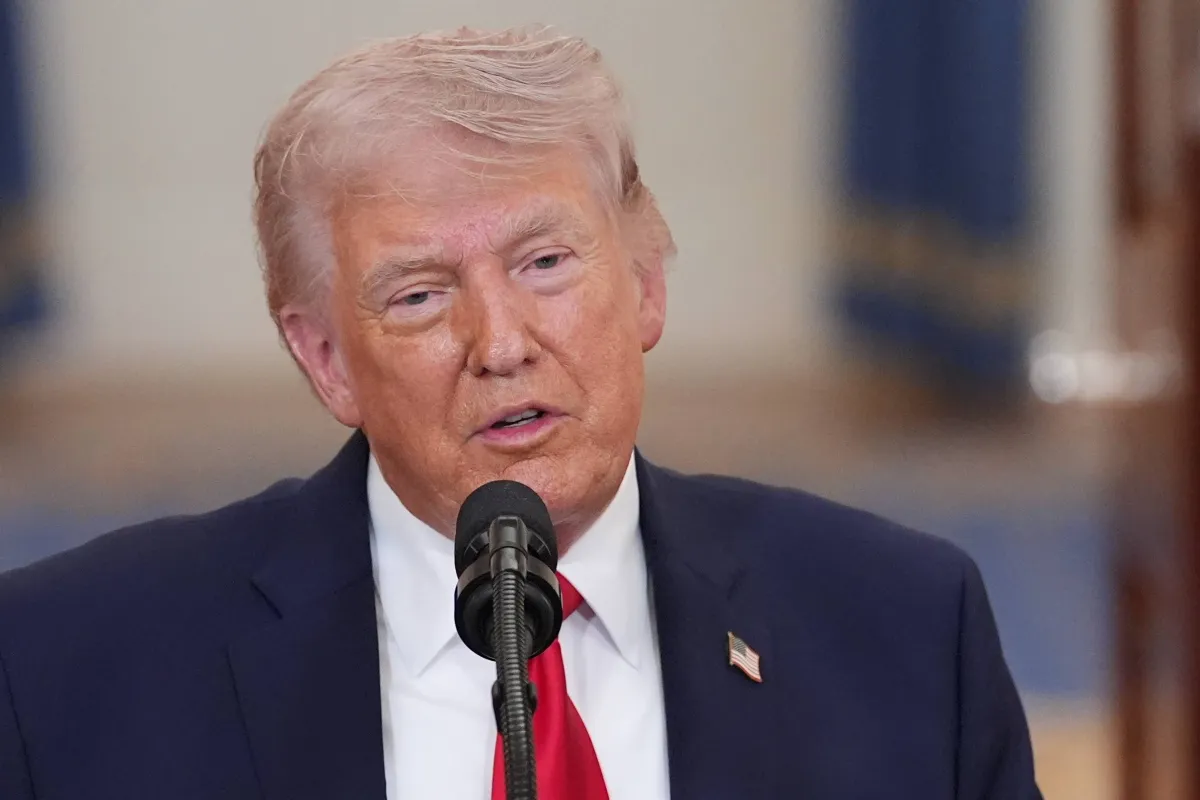
Global fears are rising as the deadline set by U.S. President Donald Trump for Iran approaches, expected to expire on Wednesday morning GMT. Trump demands that Tehran open the Strait of Hormuz, threatening devastating military retaliation if his demands are not met.
These developments come at a time when tensions between the United States and Israel on one side, and Iran on the other, are escalating, with the conflict exceeding forty days. Reports indicate that the U.S. and regional mediators are engaged in talks regarding a potential 45-day ceasefire, aiming to end the conflict permanently.
Details of the Ongoing Negotiations
According to American and Israeli sources, negotiations are being conducted through intermediaries from Pakistan, Egypt, and Turkey, with messages exchanged between U.S. envoy Steve Wittekov and Iranian Foreign Minister Abbas Araghchi. The discussions focus on the terms of an agreement to be implemented in two phases, with the first phase involving a ceasefire lasting a month and a half, during which negotiations for a permanent end to the war would take place.
Mediators hope that Iran can take steps to build trust, such as reopening the Strait of Hormuz and reducing the concentration of highly enriched uranium. However, sources indicate that Tehran may refuse to relinquish these critical bargaining chips in exchange for a temporary ceasefire.
Background & Context
Historically, the Strait of Hormuz is a vital artery for global oil supplies, through which approximately 20% of the world's oil passes. Any escalation in this strait could significantly impact oil prices and global markets. Additionally, Iran views control over the strait as a strategic leverage point in any negotiations.
In recent days, Trump has shown a clear resolve in his threats, warning of the destruction of Iranian infrastructure should Tehran fail to comply with his demands. This escalation reflects the increasing tensions in the region and suggests that the situation may become more complex.
Impact & Consequences
If an agreement is not reached, Trump's options will be limited, as he may face both internal and external pressures. The first option would be to reach an agreement with Iran, which some may view as a political defeat. The second option is to declare victory and withdraw troops, but this would not resolve the crisis in the Strait of Hormuz. The third option, which involves deploying ground troops, could lead to significant military escalation.
The potential consequences of this conflict may include increased volatility in energy markets, which could adversely affect the global economy. Furthermore, the continuation of the war could exacerbate humanitarian crises in the region.
Regional Significance
Arab countries are directly affected by any escalation in the conflict between the United States and Iran, as many of these nations rely on stable oil prices. Any closure of the Strait of Hormuz could lead to a spike in oil prices, impacting the economies of these countries.
Moreover, the conflict could reshape alliances in the region, with some countries seeking to strengthen their ties with Iran while others attempt to align closer with the United States. This situation could further complicate the political landscape in the Middle East.
In conclusion, the question remains open regarding how events will unfold in the coming hours and whether diplomacy will succeed in averting a potential military escalation.