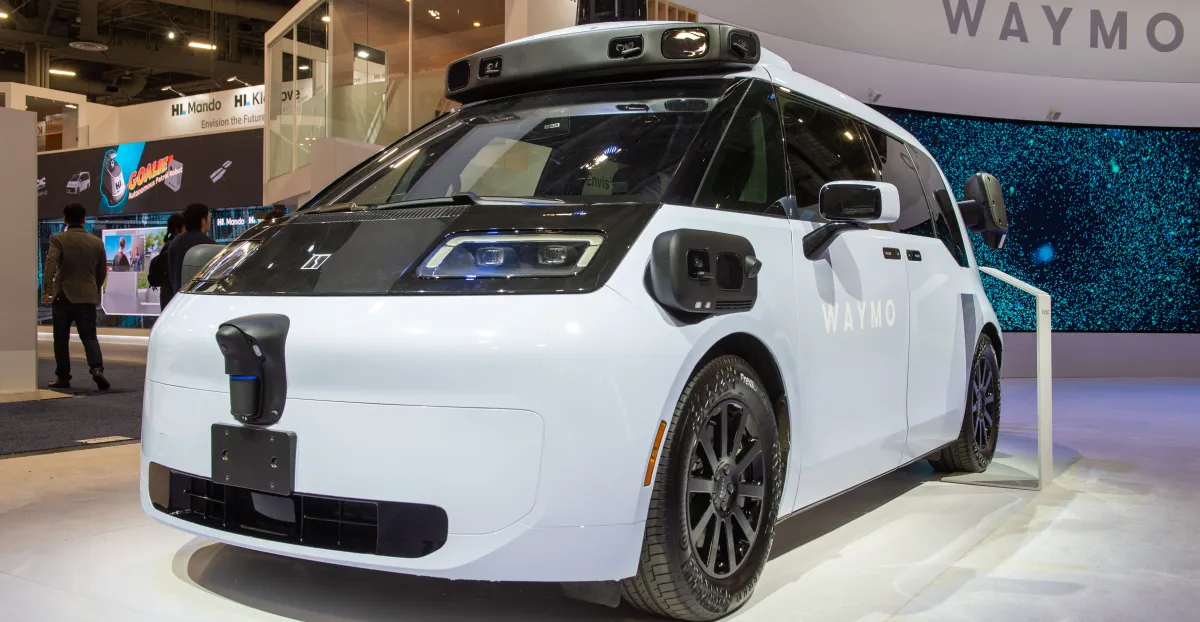
Waymo, a subsidiary of Alphabet, has announced the commencement of its new self-driving taxi service, known as 'Ojay', for non-employee passengers. This service will begin in the cities of San Francisco, Los Angeles, and Phoenix, allowing passengers to experience the new vehicle for free initially, aimed at gathering data on their experiences.
This initiative follows several months of intensive testing, during which the new vehicle, based on the 'Zikr RT' model, was redesigned to be more passenger-friendly. The service is expected to gradually expand to include more passengers and cities in the near future.
Event Details
The 'Ojay' vehicle features sixth-generation technologies from Waymo, which are considered the most advanced in the company's history. This vehicle was designed in collaboration with the Chinese company Geely, which owns well-known brands such as Volvo and Lotus. The aim of this collaboration is to provide self-driving vehicles that better meet passenger needs.
The new vehicle boasts a larger interior space, with increased legroom, three large screens, charging ports, and cup holders. It has also been designed for easier entry and exit, featuring a flat floor and low height, making it suitable for various age groups.
Background & Context
Waymo is regarded as one of the leading companies in self-driving technology, having embarked on its journey in this field several years ago. In 2020, the company launched its fifth generation of technologies, which relied on Jaguar vehicles. With the lifecycle of this model coming to an end, it was time to unveil the sixth generation, promising more advanced and efficient technologies.
Waymo faces significant challenges in the market, particularly with restrictions on importing vehicles with Chinese software. However, the company has confirmed that it has removed any connected software from the imported vehicles, allowing it to circumvent these restrictions.
Impact & Consequences
This move represents a turning point in the self-driving transportation industry, reflecting the global trend towards utilizing self-driving technology in major cities. This service is expected to influence how people commute, potentially leading to reduced traffic congestion and lower carbon emissions.
Nevertheless, there are concerns regarding the safety of these vehicles, especially after Waymo halted driving on highways in some cities due to worries about its vehicles interacting with construction zones. Such incidents could affect public trust in self-driving technology.
Regional Significance
As many Arab countries move towards developing smart infrastructure, Waymo's experience could serve as a model. Self-driving technology may contribute to improving public transport services and reducing congestion in major cities like Cairo and Riyadh.
Introducing this technology in the Arab region may require collaboration with local companies and governments to ensure the safety and effectiveness of these services.