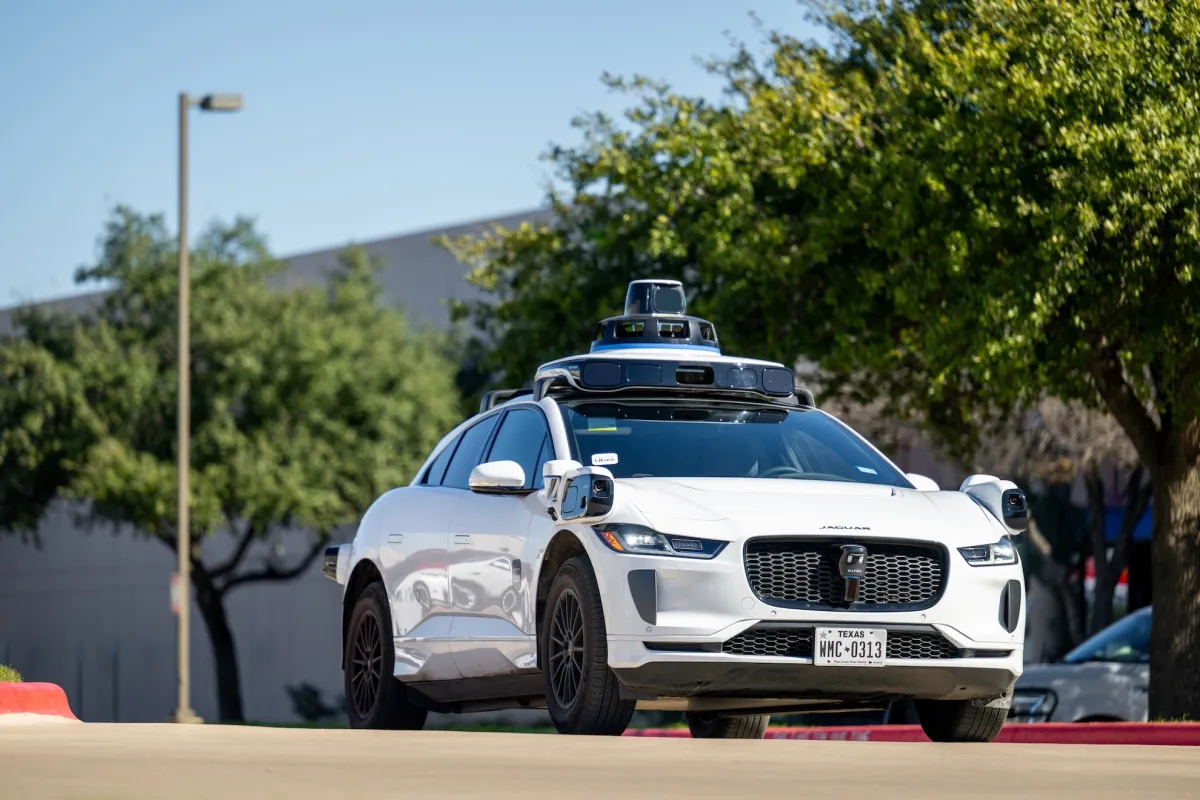
Recent reports reveal a significant increase in self-driving taxis and trucks registered in Texas, with Waymo leading the field while Tesla lags behind. This development comes alongside new legislation and a tracking tool for autonomous vehicles, providing clearer insights into the number of vehicles operating in this growing sector.
Waymo, a subsidiary of Alphabet, is a pioneer in developing self-driving technology, and recent figures show it is registering an increasing number of vehicles in Texas, as new laws create more opportunities for these vehicles to operate on public roads.
Event Details
According to data collected from the new tool, Texas has seen a notable increase in self-driving vehicle registrations, with over 5,000 vehicles registered so far. These figures indicate rapid growth in this sector, which is attracting increasing interest from companies and investors.
Waymo aims to expand its services in Texas, working to develop a safe and reliable system for autonomous vehicles. In contrast, Tesla faces challenges in this area, as it has not achieved the same level of registrations in the state, raising questions about its strategy for developing self-driving technology.
Background & Context
Texas is one of the U.S. states experiencing significant interest in self-driving technology, representing an ideal environment for testing these vehicles. In recent years, new laws have been introduced to facilitate the use of autonomous vehicles, contributing to the increase in registrations.
Historically, major companies like Tesla and Waymo have competed to develop self-driving technology, but Waymo has made notable progress in this field, allowing it to lead the market. This competition reflects a global trend towards innovation in the transportation sector.
Impact & Consequences
These figures indicate a significant shift in the transportation industry, as increased use of self-driving vehicles could lead to reduced traffic accidents and improved transportation efficiency. Additionally, this development may change urban lifestyles, as self-driving taxis could provide more convenient and comfortable transport services.
However, these advancements also raise questions about safety and privacy, as companies must ensure that the technology used is safe and reliable. There is also a need for a clear legal framework to regulate this emerging sector.
Regional Significance
Although self-driving technology is still in its early stages in many Arab countries, interest in it is growing. Successful experiments in the United States could serve as a model for the region, potentially improving transportation systems and reducing traffic congestion.
Some Arab countries are seeking to invest in smart transportation technology, which could lead to applications similar to those being developed in Texas. Understanding how this technology evolves in global markets can help guide investments and innovations in the region.