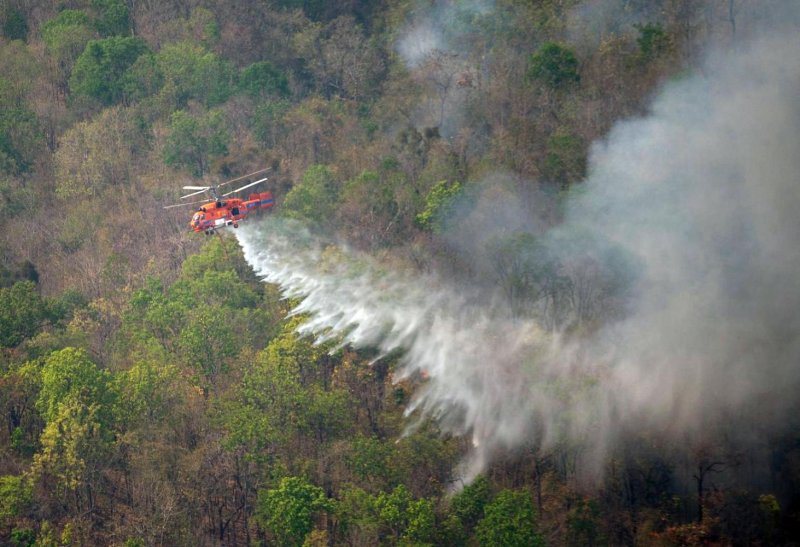
The city of Chiang Mai, known for its natural beauty and rich culture, is facing significant challenges this year during the Songkran holiday. Tourism operators anticipate weak performance due to the haze that has settled over the region, directly impacting tourist decisions.
In this context, Boonsak Saguio, Vice President of the Chiang Mai Chamber of Commerce, noted that future bookings for the city have been very slow, indicating that the Songkran holiday may not be as strong as it was last year. He emphasized that concerns about haze and rising oil prices are influencing tourists' choices.
Details of the Situation
This week, Chiang Mai ranked as the most polluted city in the world, while other northern provinces such as Mae Hong Son are suffering from haze caused by forest fires. Reports indicate that hotel occupancy rates in Chiang Mai range between 30-40%, reflecting the negative impact of haze on tourism.
Boonsak explained that many tourists, both Thai and foreign visitors, may prefer coastal destinations instead of visiting the north, leaving only locals or business travelers who need to visit the city. Additionally, travel agencies have planned to sell fewer tour packages during this period, based on forecasts of seasonal haze.
Background & Context
The haze phenomenon in northern Thailand is a recurring issue, with forest fires, both local and cross-border, deteriorating air quality. Boonsak has called on the government to expedite the passage of the Clean Air Act, which was under discussion in parliament before its dissolution, imposing greater responsibilities on polluters and encouraging reductions in carbon emissions.
Chaiwit Sumatchiwat, Vice President of the Pai Tourism Association, noted that haze has affected tourism in Mae Hong Son, where visitors continue to cancel their bookings. He explained that foreign tourists from certain countries, especially from the UK and Israel, may turn to other destinations such as Phuket or Samui.
Impact & Consequences
The implications of haze extend beyond its impact on tourism; it can lead to deteriorating health for local residents and increased healthcare costs. Furthermore, rising oil prices due to conflicts in the Middle East complicate the situation, affecting the purchasing power of residents and increasing operational costs for tourism operators.
Under these circumstances, the government must take urgent measures to support tourism for the remainder of the year, focusing on improving air quality and reducing economic pressures on the population.
Regional Significance
These events are particularly significant for the Arab region, as they reflect the impact of regional conflicts on the global economy and tourism. Rising oil prices can affect Arab countries that rely on oil exports, reflecting on their economies.
In conclusion, the situation in Chiang Mai requires a swift response from the government and the local community to address the challenges posed by haze and ensure the sustainability of tourism in the region.