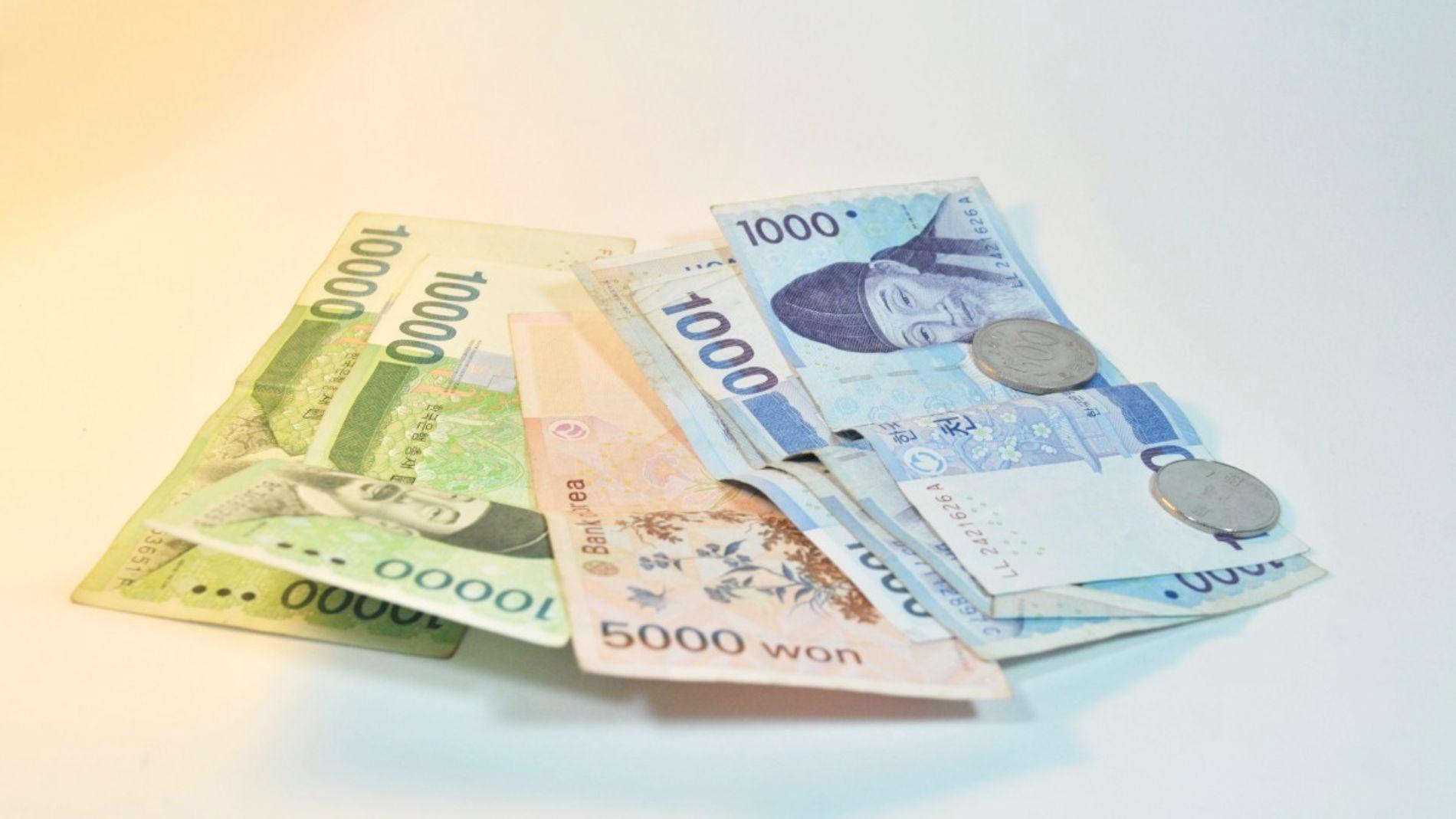
Kim Sung-jo, head of South Korea's largest pension fund, stated that the recent decline of the Korean won against the US dollar during market turmoil may necessitate immediate actions for stabilization. This was mentioned during an interview in Seoul, where he pointed out that the current situation requires special attention from financial authorities.
These statements come at a time when the global economy is experiencing sharp fluctuations, directly impacting national currencies. Kim expressed concern that the continued decline of the won could lead to negative repercussions for the South Korean economy, which heavily relies on exports.
Details of the Event
The Korean won has recently fallen to unprecedented levels, raising fears about its impact on the country's financial stability. Under these circumstances, the government and the central bank must take swift steps to address this challenge. Kim indicated that there is an urgent need to review current monetary policies to ensure currency stability.
He also confirmed that the pension fund has the capacity to intervene in the market if necessary, reflecting the importance of its role in supporting the national economy. He expressed optimism that the government would take the necessary actions in a timely manner.
Background & Context
Historically, South Korea has experienced fluctuations in its currency, especially during times of economic crises. In 1997, for instance, the won faced severe pressure during the Asian financial crisis. Since then, the government has taken numerous steps to enhance financial stability, including the establishment of a reserve fund to support the currency.
In recent years, pressures on the won have increased due to the rising US dollar, affecting the ability of Korean companies to compete in global markets. The won is considered one of the major currencies in the region, so any decline in its value can impact neighboring economies.
Impact & Consequences
If the decline of the won continues, it could lead to increased import costs, negatively reflecting on inflation in the country. Additionally, a weak currency may affect investor confidence, leading to a decline in foreign direct investments. This, in turn, could hinder economic growth in South Korea.
Moreover, the weakening of the won may increase pressures on Korean companies that rely on imported raw materials, potentially leading to reduced profit margins. Therefore, swift actions by the government and the central bank will be essential to maintain economic stability.
Regional Significance
Trade relations between South Korea and Arab countries are significant, as many Arab nations import Korean products. If the decline of the won continues, it could lead to increased prices for Korean products in Arab markets, affecting demand. It may also cause a reevaluation of trade relations between the two sides.
At the same time, some Arab countries may benefit from the weakening won, as it could make Korean products more price-competitive. However, these benefits must be balanced against the potential risks that may arise from market fluctuations.
In conclusion, the economic situation in South Korea remains under observation, as any movements by the government or the central bank will determine the future of the won and its impact on both the local and international economy.