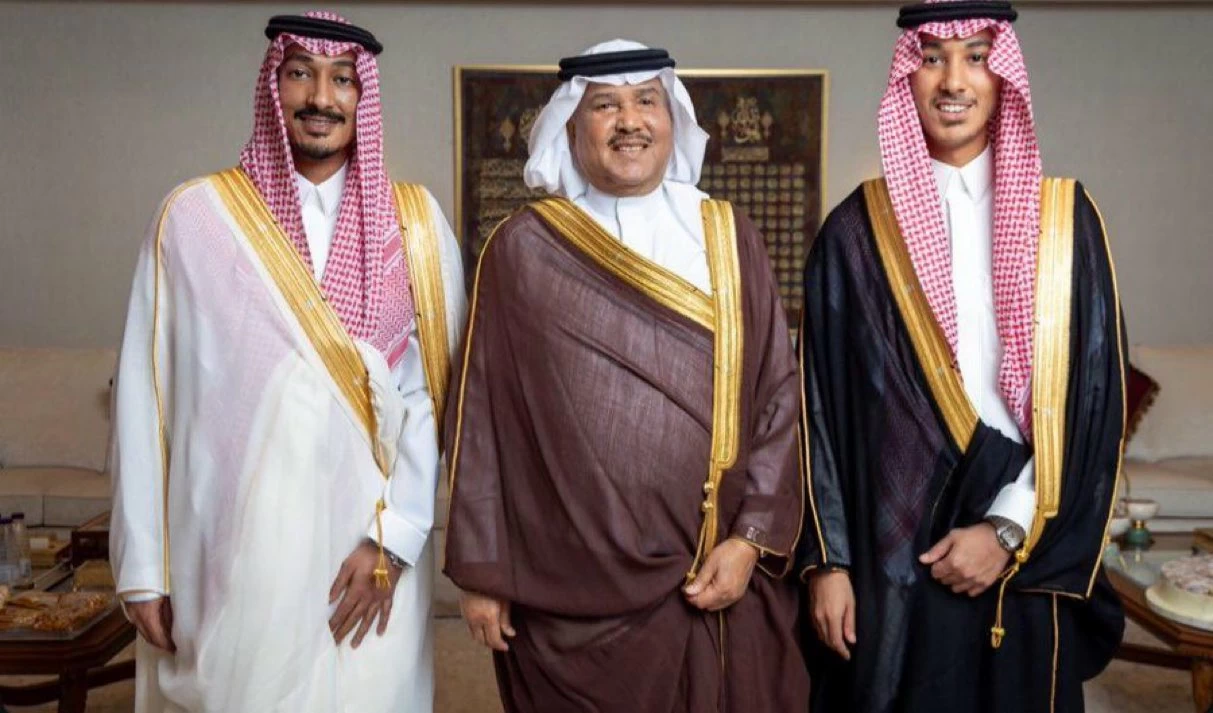
Mohammed Abdu, the celebrated Arab artist, recently celebrated the wedding of his son Badr at the end of the month of Shawwal in Jeddah. The occasion was notable for the impressive attendance of family, friends, and close ones. The artist, known as "Abu Noura," began receiving congratulations and well-wishes from his admirers, reflecting the love and appreciation he enjoys in the community.
This joyous occasion took place in a distinctive family atmosphere, with expectations of a large turnout from community dignitaries and prominent figures in the artistic and media circles, highlighting Mohammed Abdu's status as one of the most prominent artists in the Arab world. The artist, who has produced many timeless works, continues to be a national and artistic symbol admired by various generations.
Event Details
The celebrations include a series of distinctive activities that reflect Saudi cultural heritage, as Badr Abdu's wedding is considered an important event in his family's life. The ceremony is expected to be held in a luxurious hall, beautifully decorated with flowers and lighting, creating an atmosphere of joy and happiness for the attendees.
This marriage also serves as an opportunity to renew family and social ties, as relatives and friends gather to celebrate this happy occasion. The family has prepared a special program that includes artistic and entertainment segments, making the event a unique experience.
Background & Context
Mohammed Abdu is one of the most prominent Arab artists, having started his artistic career in the 1960s and achieved widespread fame due to his unique voice and distinguished works. He has a long history of creativity, having released numerous albums and songs that resonate with the hearts of generations. Abdu is considered a symbol of authentic Arab art and has contributed to enhancing the musical culture in the region.
The celebrations of his son's wedding coincide with the return to normal life in the Kingdom after a period of challenges, reflecting a spirit of optimism and hope in the community. This occasion also highlights the importance of family and social cohesion in Saudi culture.
Impact & Consequences
Badr Abdu's wedding can be seen as an event that reflects family traditions and values in Saudi society, where marriage is considered an important social occasion that brings together family and friends. This event may strengthen social bonds and encourage the celebration of cultural heritage.
Moreover, the attendance of prominent figures from the artistic and media sectors demonstrates Mohammed Abdu's influence in the community and reflects his status as one of the leading symbols of Arab art. This event may contribute to enhancing relationships between artists and the community, thereby enriching the artistic culture in the region.
Regional Significance
Social occasions like Badr Abdu's wedding are part of the social and cultural fabric of the Arab world. These events showcase how art and culture can bring people together, enhancing social ties and contributing to the strengthening of cultural identity.
Additionally, the celebrations held during such occasions boost cultural tourism in the region, allowing visitors and residents to enjoy local traditions and customs. Therefore, Badr Abdu's wedding is considered an event that enhances national pride and reflects the cultural diversity in the Arab world.