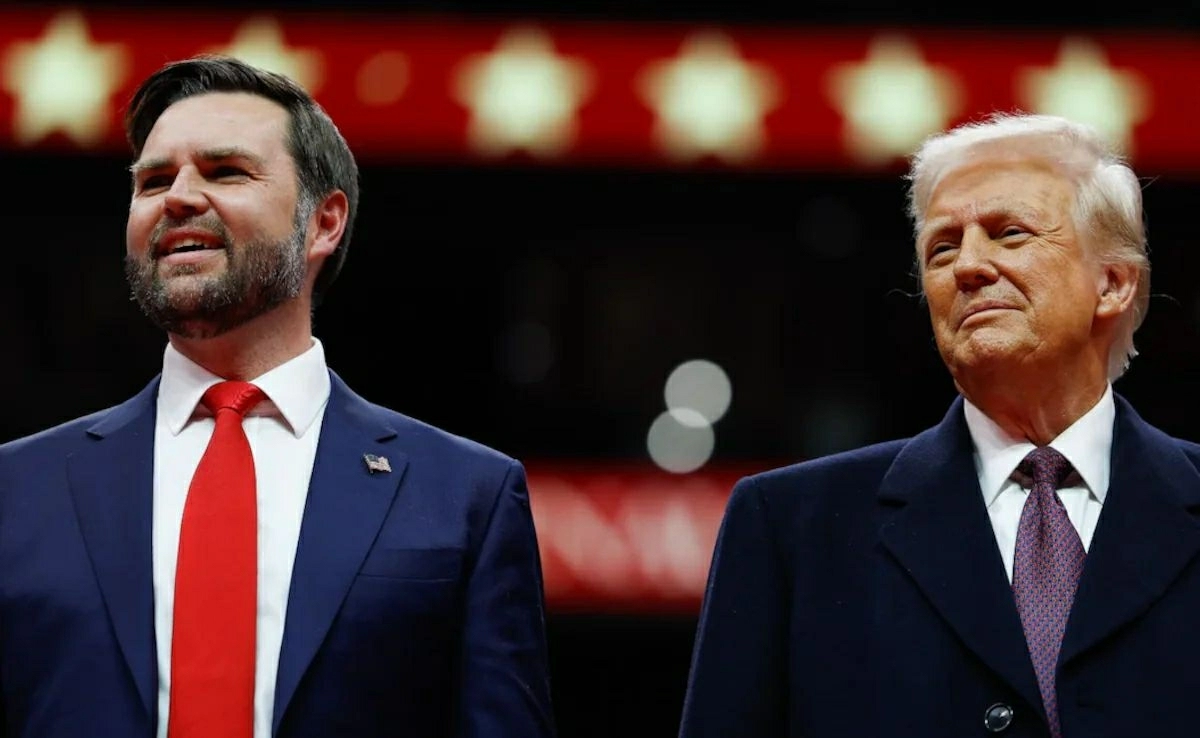
U.S. Vice President J.D. Vance expressed his approval on Wednesday of the fragile ceasefire with Iran, emphasizing the need for Tehran to negotiate in good faith to achieve a long-term agreement. This statement came after Washington and Tehran reached a two-week truce, announced before the deadline set by President Donald Trump.
Vance, who is known to be skeptical about the war with Iran, played a role in brokering this ceasefire through behind-the-scenes negotiations with Iranian officials, facilitated by Pakistan. Iran has warned that the war will not end until formal terms are negotiated.
Details of the Ceasefire
During his visit to Budapest, Vance confirmed that Trump is not the type to take matters lightly, noting that the U.S. President is eager to make progress in the negotiations. He explained that the United States still possesses significant military, diplomatic, and economic leverage that can influence the situation.
Vance also added that if Iran is not serious about negotiations, it will find out that the U.S. President is not one to be lenient. He stressed the importance of Iran being sincere in its intentions, warning that any attempt at deception or trickery would lead to severe consequences.
Background & Context
Historically, U.S.-Iran relations have been marked by severe tensions since the Iranian Revolution in 1979. These tensions have escalated particularly in recent years, with the U.S. withdrawal from the Iranian nuclear deal in 2018 and the imposition of strict economic sanctions on Tehran. These circumstances have led to an escalation of military conflict between the two parties, making the need for a peaceful agreement more urgent.
In recent years, there have been multiple attempts at negotiations, but most have failed due to mutual distrust between the sides. However, the current ceasefire represents a new opportunity for negotiations, despite its fragility.
Impact & Consequences
If the negotiations succeed, they could lead to a reduction in tensions in the region, positively impacting regional security. However, failure to reach an agreement could escalate the conflict, threatening regional stability and exacerbating humanitarian crises.
This ceasefire also serves as a test for Trump's foreign policy, as he seeks to demonstrate U.S. strength in the face of international challenges. If the U.S. administration can achieve progress, it may bolster Trump's position in the upcoming elections.
Regional Significance
U.S.-Iran relations directly affect security and stability in the Arab region. Increased tensions between Washington and Tehran could escalate conflicts in areas such as Iraq, Syria, and Lebanon, where Iranian-backed militias are present.
Therefore, the success of the negotiations could help reduce the intensity of conflicts in these countries, providing a greater opportunity for peace and stability in the region.
In conclusion, this ceasefire represents a new opportunity for negotiations between the United States and Iran, but its success depends on the goodwill of both parties and their willingness to reach an agreement that serves their interests.