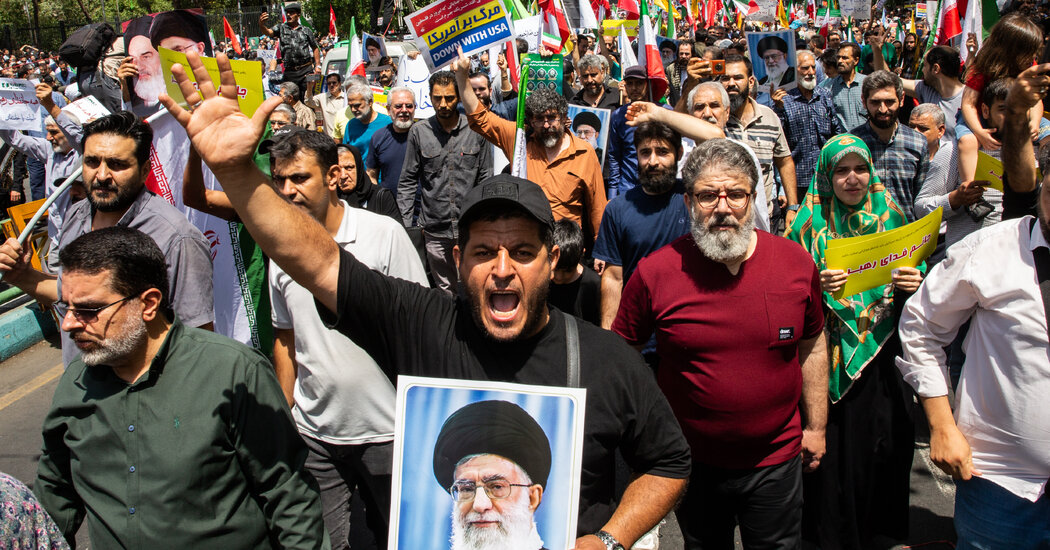
Reports from Wells Fargo indicate that the ongoing war in Iran has significantly affected the American financial markets, resulting in reduced profit expectations for U.S. stocks this year. The conflict, which began several weeks ago, has caused substantial economic damage, impacting the markets' ability to achieve notable gains.
These statements come at a sensitive time, as concerns grow about the conflict's impact on global economic stability. Analysts at Wells Fargo noted that the situation in Iran could limit potential gains in the S&P 500, a key indicator of U.S. stock performance.
Details of the Conflict
The war in Iran, which erupted due to escalating political and economic tensions, has exacerbated crises in the region. Reports indicate that the conflict has affected supply chains and oil prices, increasing pressure on global markets. Additionally, military tensions have led to a decline in investor confidence, contributing to reduced growth forecasts.
Wells Fargo is not alone in observing this trend, as other reports from various financial institutions suggest that the conflict in Iran could lead to significant market volatility. As fighting continues, many analysts expect that U.S. markets will be further affected, potentially leading to a decline in investments.
Background & Context
Historically, Iran has been the focal point of numerous military and political conflicts in the region, directly impacting the global economy. Previous conflicts in the Middle East, such as the wars in Iraq and Syria, have also affected global financial markets, leading to significant fluctuations in oil and stock prices.
In recent years, Iran has experienced a rise in tensions with Western powers, increasing instability in the region. This historical backdrop reflects how conflicts in the Middle East can influence the global economy, especially given the heavy reliance on oil and natural resources.
Impact & Consequences
The economic repercussions of the war in Iran could be far-reaching. The economic damage resulting from the conflict is expected to lead to a decline in foreign investments, which could impact economic growth in the United States. Additionally, declining investor confidence may result in volatility in financial markets, increasing pressure on American companies.
Moreover, rising oil prices due to the conflict could lead to increased production costs, affecting both companies and consumers. This situation may result in economic inflation, exacerbating the challenges facing the U.S. economy.
Regional Significance
Looking at the Arab region, the conflict in Iran may have both direct and indirect effects. Neighboring countries, such as Iraq and Turkey, may be affected by military tensions, potentially worsening humanitarian and economic crises in those nations. Additionally, rising oil prices could impact the economies of Arab countries that heavily rely on oil exports.
Ultimately, the situation in Iran is not merely a local issue; it has global implications that could affect economic stability in many countries. It is crucial for global markets to monitor developments in the conflict, as these events could significantly influence the world economy.