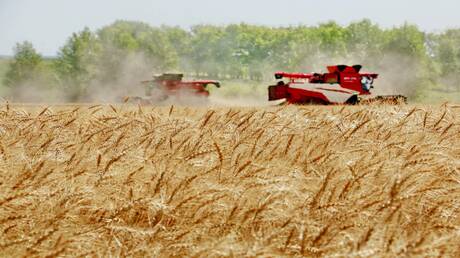
Wheat futures on the Chicago Board of Trade fell today, following President Donald Trump's announcement of a two-week ceasefire agreement with Iran. This decline reflects the impact of political news on agricultural markets, as wheat is one of the essential crops significantly affected by political stability in the region.
Additionally, corn prices also saw a notable decrease, reflecting general concerns about agricultural supplies amid tense geopolitical conditions. This price drop follows a period of increases in the markets due to rising global demand for grains.
Details of the Event
Trump announced at a press conference that a ceasefire agreement with Iran had been reached, which is considered a positive step toward easing tensions in the region. Many observers have expressed hope that this agreement will contribute to the stability of global markets, especially in the grain sector.
These developments come at a time when the world is facing significant challenges related to food supplies, as food prices continue to rise due to multiple crises. Experts have noted that any improvement in political conditions could contribute to price stabilization.
Background & Context
Historically, wheat and corn prices have experienced significant fluctuations due to political and economic events. In recent years, tensions between the United States and Iran have cast a shadow over the markets, leading to notable price increases.
Iran is one of the major grain-producing countries, and any changes in its policies or relations with major countries directly affect global markets. Therefore, reaching a ceasefire agreement could contribute to price stabilization and enhance confidence in the markets.
Impact & Consequences
This agreement is expected to have positive effects on grain prices in global markets. If the ceasefire continues, we may witness price stabilization, benefiting both farmers and consumers alike.
Moreover, improvements in political conditions could encourage increased investments in the agricultural sector, contributing to enhanced productivity and improved global food supplies. This is essential given the significant challenges facing the markets.
Regional Significance
For Arab countries, the stability of grain prices is vital, as many nations rely on importing wheat and corn to meet their food needs. Any changes in prices could directly impact food security in the region.
Additionally, political tensions in the region affect market stability, so any improvement in relations between major countries could contribute to enhancing food security and economic stability in Arab nations.
In conclusion, this agreement represents a positive step toward easing tensions, which may contribute to the stability of global markets. It remains to be seen how things will develop in the coming days.