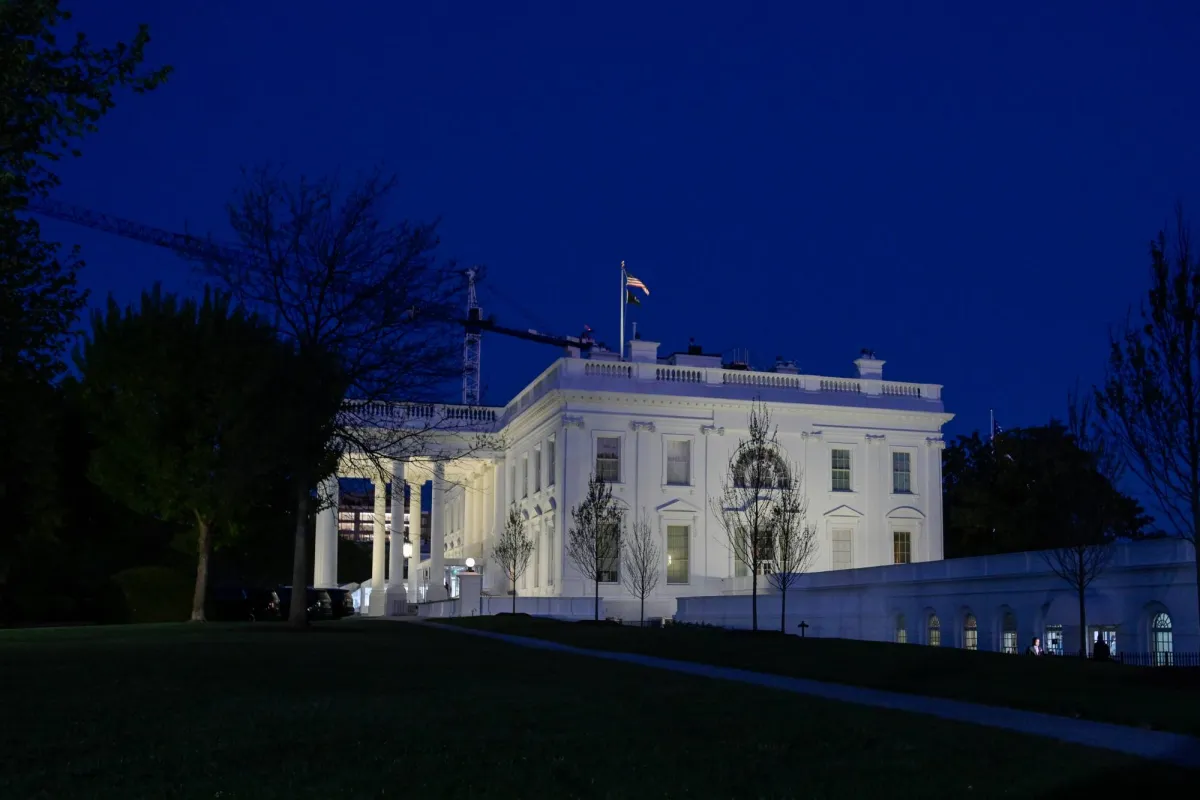
The White House has called on the Fédération Internationale de Football Association (FIFA) to adopt a policy akin to that of the International Olympic Committee, which prevents transgender athletes from competing in women's tournaments. These demands arise during a sensitive period, as President Donald Trump has yet to sign the required government guarantees to support the United States' bid to host the 2031 Women's World Cup.
Since taking office for a second term, Trump has sought to limit the participation of transgender athletes in women's sports. In February 2025, Trump signed an executive order titled "Keeping Men Out of Women's Sports," which stipulates that any athlete must be classified as female at birth to compete in women's sports.
Event Details
Last March, reports indicated that the approval of the joint bid by the United States, Mexico, Costa Rica, and Jamaica to host the 2031 World Cup had been postponed from the FIFA meeting on April 30 to a later date. This delay is attributed to the White House's failure to provide the necessary government guarantees, which include commitments related to visas, tax exemptions, and safety and security, essential conditions for any hosting bid.
Typically, these guarantees are prepared through the local football association in the host country, in this case, the U.S. Soccer Federation, before being submitted to FIFA. Although the bid was officially presented in October, these guarantees have not yet been received, complicating matters further.
Background & Context
FIFA currently has a single bid for hosting the 2031 World Cup, which gives the White House significant leverage in modifying FIFA's policy regarding transgender participation in women's soccer. It remains unclear whether the White House has directly discussed this issue with FIFA, which has not responded to requests for comment.
FIFA has previously clarified that the delay in announcing the 2031 bid is intended to organize an "independent event" later this year, aimed at showcasing the strength and impact of women's soccer. The announcement of the joint bid for 2035 involving England, Scotland, Wales, and Northern Ireland has also been postponed to be part of this same event.
Impact & Consequences
In July 2025, the U.S. Olympic and Paralympic Committee amended eligibility rules to prevent transgender athletes from participating in Olympic women's competitions within the United States. The International Olympic Committee also announced the adoption of mandatory genetic testing to prevent transgender individuals from competing in women's events, sparking widespread controversy in the sports community.
Criticism is mounting from some prominent female athletes, such as former American star Megan Rapinoe, who deemed political interventions in this matter unjustified. Conversely, there are calls from some players like Elizabeth Eddy, who have insisted that female athletes must be born with ovaries, provoking mixed reactions within teams.
Regional Significance
This issue relates to matters of justice and equality in sports, which are concerns for many Arab countries striving to enhance their status in the global sports arena. These policies may affect how Arab nations address human rights and equality issues in sports, opening the door for broader discussions about the rights of transgender individuals in the region.
In conclusion, this issue represents a significant challenge for FIFA and women's sports in general, intertwining political and human rights concerns, necessitating an open and comprehensive dialogue among all stakeholders involved.