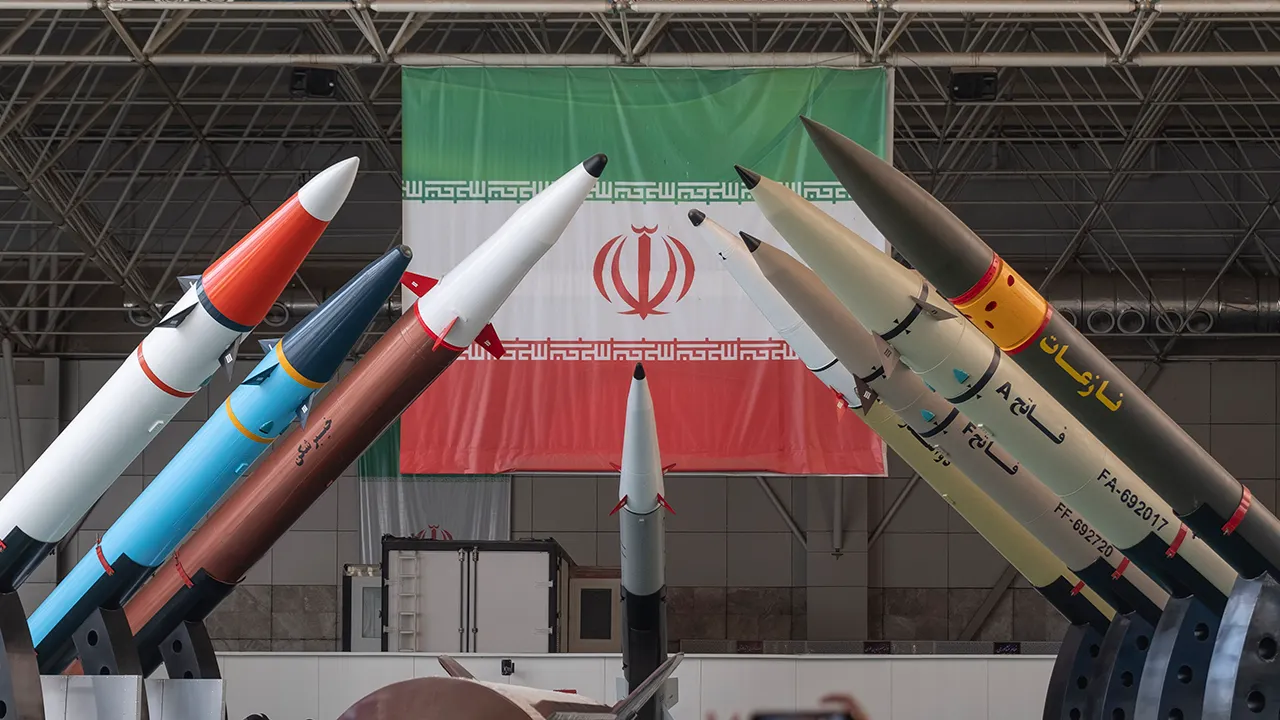
The White House stated that any potential military operation against Iran will not escalate to a full-scale invasion, emphasizing that options remain within the scope of limited operations. These remarks come amid rising tensions in the region, as the United States continues to monitor Iranian activities that it considers a threat to regional security.
The U.S. administration seeks to clarify its position on any potential military movements, with the White House spokesperson confirming that any military intervention would be calculated and aimed at protecting U.S. interests and its allies in the region, rather than an occupation or full-scale invasion.
Details of the Situation
These statements come in light of escalating tensions between the United States and Iran, with several military incidents reported in the region over the past weeks, including attacks on commercial vessels in the Arabian Gulf. Washington has expressed concern over these activities, indicating that Iran seeks to destabilize the region.
The White House also noted that any military operation would be coordinated with allies, and the goal would be to deter Iranian hostile activities, not to engage in a comprehensive military conflict. These statements aim to reassure allies in the region, especially amid fears of escalating conflict.
Background & Context
Historically, U.S.-Iran relations have been marked by increasing tensions since the Islamic Revolution in 1979. These relations deteriorated further after the U.S. withdrawal from the Iranian nuclear deal in 2018, leading to the imposition of stringent economic sanctions on Tehran.
In recent years, Iran has bolstered its military capabilities, including the development of its nuclear program, raising concerns within the international community. The United States and its allies have attempted to pressure Iran to return to the negotiating table, but these efforts have yet to yield tangible results.
Impact & Consequences
The recent statements from the White House could influence the dynamics of conflict in the region, potentially strengthening Iran's position and increasing tensions. Furthermore, any limited military operation could provoke a strong reaction from Tehran, which might draw the region into a broader conflict.
On the other hand, these statements may also reflect the United States' desire to avoid engaging in new wars in the Middle East, especially after previous experiences that involved costly military interventions.
Regional Significance
Neighboring Arab countries are on high alert, as any military escalation could directly affect their security and stability. Countries like Saudi Arabia and the UAE may be the most impacted, as they rely on the U.S. as a key ally in countering Iranian threats.
The situation in Iraq and Syria may also be affected, as Iranian-backed militias operate in both countries, complicating the security landscape in the region.
In conclusion, the situation in the region remains unstable, with ongoing tensions between the United States and Iran. Recent American statements indicate that military options are still on the table, but they will remain within certain limits, reflecting a desire to avoid full-scale escalation.