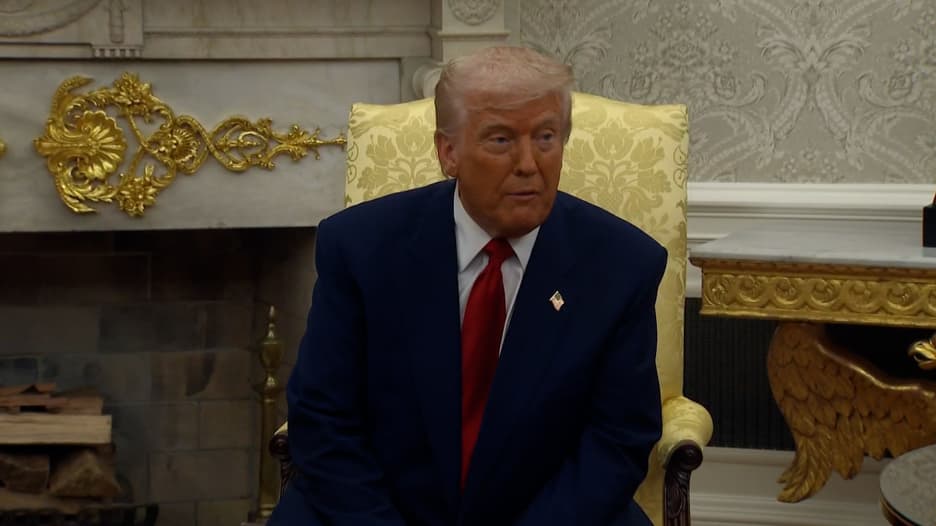
The White House has confirmed that peaceful talks with Iran are still ongoing, despite Tehran's denial of these claims. These statements come at a time when tensions between the United States and Iran are escalating, raising questions about the future of relations between the two countries.
While the White House seeks to promote dialogue with Tehran, Iran continues to assert that there are no official negotiations taking place. This disparity in statements reflects a state of uncertainty in bilateral relations and indicates the significant challenges facing peace efforts in the region.
Details of the Situation
The White House's statements come at a critical juncture as the U.S. President aims to make progress on the Iranian nuclear issue. U.S. administration officials have indicated that the talks involve several issues, including Iran's nuclear program and its support for militias in the region.
On the other hand, Iran has denied these allegations, considering any talk of peaceful negotiations as merely an attempt by the United States to alleviate international pressure on it. This denial reflects Iran's steadfast position in the face of U.S. pressures and indicates a lack of willingness to negotiate at this time.
Background & Context
Historically, U.S.-Iran relations have experienced increasing tensions since the Islamic Revolution in 1979. Since then, the United States has imposed strict economic sanctions on Iran, exacerbating the country's economic and social conditions.
In recent years, concerns over Iran's nuclear program have escalated, with Western countries accusing Tehran of seeking nuclear weapons. This has led to a series of diplomatic talks, including the nuclear agreement reached in 2015, from which the United States withdrew in 2018.
Impact & Consequences
These developments underscore the importance of dialogue in alleviating tensions in the region. If talks continue, they could open the door to new opportunities for cooperation between the United States and Iran, potentially contributing to regional stability.
However, Iran's denial of negotiations indicates that the path to achieving peace remains long. These tensions could escalate conflicts in the region, especially with other powers seeking to enhance their influence, such as Russia and China.
Regional Significance
The relationship between the United States and Iran significantly impacts security and stability in the Arab region. Tensions between the two countries directly affect neighboring states, such as Iraq, Syria, and Lebanon, where Iran-backed militias are present.
If talks continue, they may lead to a de-escalation of tensions in the region, allowing Arab countries the opportunity to enhance their stability. However, any escalation in relations could worsen security conditions in neighboring countries.
In conclusion, U.S.-Iran relations remain in a state of uncertainty, with rising tensions on both sides. The continuation of peaceful talks may hold hope for achieving peace, but Iran's denial of these talks reflects the significant challenges facing peace efforts in the region.