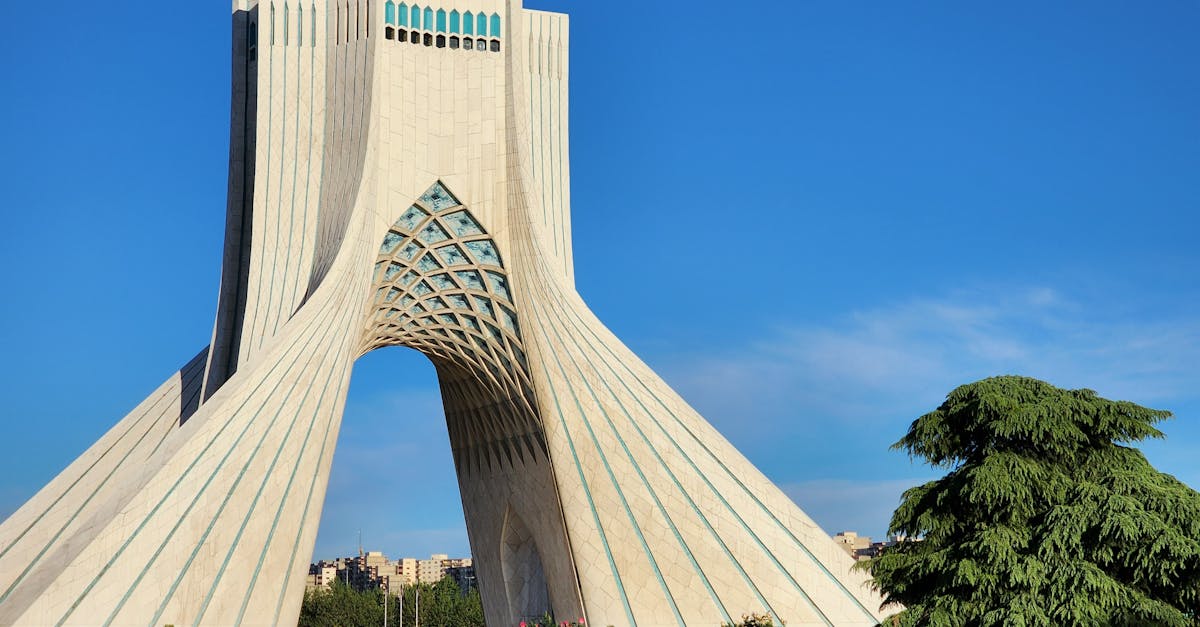
The White House spokesperson, Caroline Levitt, stated that the U.S. administration is exploring the possibility of direct talks with Iran, although a final decision has not yet been made. This statement was made on Tuesday, following an agreement between Washington and Tehran on a two-week ceasefire, reflecting a shift in dynamics between the two parties.
Levitt noted that discussions about these talks come after Iran announced its readiness to sit down for dialogue with the United States during a meeting held on Friday in Pakistan. This step is considered a significant development in the relationship between the two countries, which has seen considerable tensions in recent years.
Details of the Event
These developments come at a sensitive time as the White House seeks ways to communicate with Tehran amid increasing regional crises. The agreement on a two-week ceasefire is an important step towards easing tensions and reflects both parties' desire to explore dialogue options.
These potential talks could cover multiple issues, including Iran's nuclear program, Tehran's support for armed groups in the region, and human rights issues. Engaging in direct talks could pave the way for improved relations and enhance stability in the region.
Background & Context
Historically, U.S.-Iranian relations have experienced significant fluctuations, beginning their decline after the Iranian Revolution in 1979. Since then, the United States has imposed strict economic sanctions on Iran, which have severely impacted the Iranian economy. In recent years, tensions have escalated significantly, especially following the U.S. withdrawal from the nuclear agreement in 2018.
Now, it appears there is a new opportunity for dialogue, as the Biden administration seeks to reassess its strategy toward Iran. This shift comes at a time when Iran is grappling with economic and political crises, which may make it more open to dialogue.
Impact & Consequences
If these talks are successfully conducted, they could lead to a reduction in sanctions imposed on Iran, potentially benefiting the Iranian economy. Furthermore, improved relations between the two countries could contribute to regional stability and lessen the intensity of ongoing conflicts.
On the other hand, the U.S. administration may face internal pressure from certain factions opposing any rapprochement with Iran, which could affect the negotiation process. Therefore, it will be important to monitor reactions from various stakeholders involved.
Regional Significance
These developments are particularly significant for the Arab region, as any improvement in U.S.-Iranian relations could impact regional balances. Arab countries, especially those experiencing tensions with Iran, such as Saudi Arabia and Israel, are closely watching these negotiations.
If the talks succeed, it could lead to a reduction in regional tensions and enhance cooperation opportunities in various fields, such as security and economics. However, concerns remain about Iran's influence on armed groups in the region.
In conclusion, these developments represent a new opportunity for dialogue between the United States and Iran and could mark the beginning of a new phase in their relations. It remains to be seen how things will evolve in the coming days.