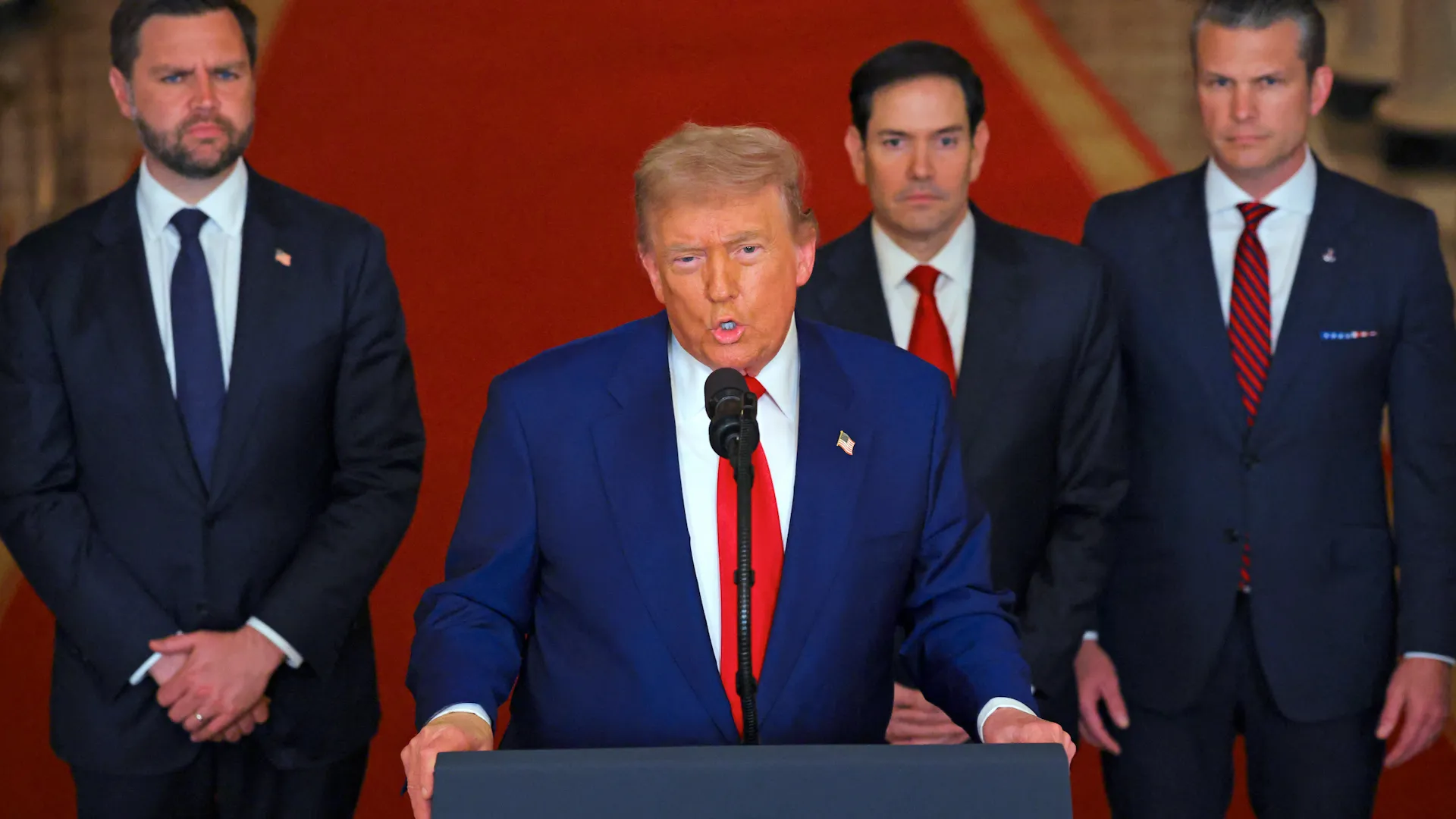
The White House has categorically denied any intention to use nuclear weapons against Iran, following controversial remarks made by former President Donald Trump. These statements have raised widespread concern in political and diplomatic circles, as they are viewed as an unprecedented threat in the relationship between Washington and Tehran.
In a press conference, the White House spokesperson emphasized that the United States is committed to diplomatic solutions for resolving outstanding issues with Iran, indicating that military force, especially nuclear weapons, is not an option on the table. This statement comes as tensions between the two countries escalate, particularly after Iran resumed its nuclear program.
Details of the Incident
Trump's remarks were made in the context of discussing the threats posed by Iran to regional and international security. He suggested that Tehran might seek to acquire nuclear weapons, necessitating strict measures. However, the White House reiterated that any military escalation would not serve global security.
These developments follow a series of events in the region, including attacks on oil facilities in Saudi Arabia, which Iran has been accused of orchestrating. Such incidents have intensified tensions between the United States and Iran, making the recent statements even more significant.
Background & Context
Historically, U.S.-Iran relations have experienced significant fluctuations since the Islamic Revolution in 1979. This revolution led to the severing of diplomatic ties between the two countries, followed by stringent economic sanctions on Tehran. In recent years, concerns over Iran's nuclear program have increased, prompting the United States to withdraw from the nuclear agreement in 2018.
Since then, Iran has sought to advance its nuclear program, raising alarms in the international community. In this context, the recent American statements highlight the new political directions in the Biden administration, which aims to revive diplomacy with Iran.
Impact & Consequences
The White House's denial of any nuclear threat against Iran may help to ease tensions, but it also underscores the challenges faced by the U.S. administration in dealing with Tehran. Any military escalation could have dire consequences for regional security and exacerbate tensions in the Middle East.
Moreover, these statements could impact U.S. relations with its allies in the region, who are concerned about Iranian threats. Therefore, the Biden administration needs to find a balance between pressuring Iran and maintaining regional stability.
Regional Significance
The U.S.-Iran relationship is pivotal in shaping security dynamics in the Middle East. Any escalation in these relations could directly affect Arab countries, especially those sharing borders with Iran or influenced by its interventions in internal affairs.
Additionally, the stability of the region heavily relies on how the United States manages its relationship with Iran. Thus, the White House's denial of a nuclear threat may contribute to reducing tensions, but it also requires practical steps to enhance dialogue and diplomacy.
In conclusion, the recent statements from the White House reflect new trends in U.S. policy towards Iran and emphasize the importance of diplomatic solutions in addressing outstanding issues. Amid rising tensions, hope remains for achieving stability in the region through dialogue and understanding.