The White House recently announced that the U.S. administration does not need Congressional authorization to carry out military strikes against Iran. These statements come at a time when tensions between the United States and Iran are escalating, raising questions about the U.S. strategy in the region.
This move comes in light of increasing Iranian threats, as the United States has detected signs of Iran's readiness to ramp up its military activities. This decision reflects the U.S. administration's desire to take swift and effective action without waiting for Congressional approval, which could expedite military responses in the event of any escalation.
Details of the Announcement
During a press conference, the White House spokesperson confirmed that the administration possesses the necessary authority to act in defense of U.S. interests in the region. He noted that this step is aimed at protecting U.S. forces and allies from any potential threats. He also added that the United States is closely monitoring the situation and will take necessary actions to safeguard its national security.
These statements coincide with reports indicating that Iran may be in the process of enhancing its military capabilities, which further intensifies tensions in the region. U.S. officials have indicated that any escalation by Iran will be met with a strong response from the United States.
Background & Context
Historically, U.S.-Iran relations have been marked by increasing tensions since the Islamic Revolution in 1979. Since then, the United States has taken several military steps against Iran, including imposing economic and military sanctions. In recent years, these tensions have notably escalated, especially following the U.S. withdrawal from the Iranian nuclear agreement in 2018.
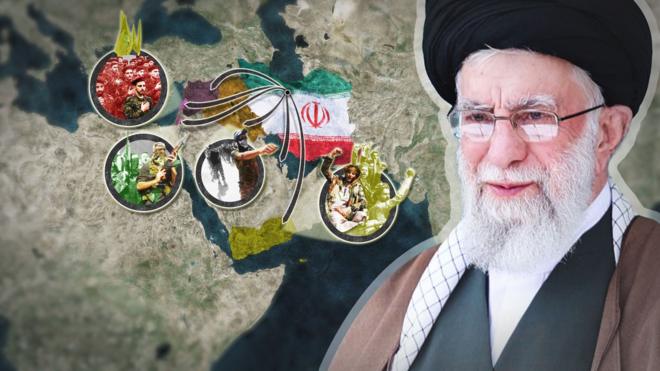
Iran is considered a key player in the Middle East, supporting various armed groups in the region. These activities have raised significant concerns in Washington, prompting the U.S. administration to adopt firmer stances toward Tehran.
Impact & Consequences
These statements may lead to heightened tensions in the region, as Iran may respond militarily or through its proxies. Additionally, this move could affect U.S. relations with its allies in the Middle East, who may feel uneasy about the escalation of military actions.
On the other hand, these statements could bolster the U.S. administration's internal position, as they may demonstrate strong American leadership in the face of threats. However, military escalation could also lead to unforeseen consequences, including increased violence in the region.
Regional Significance
The tensions between the United States and Iran directly affect Arab countries, especially those located in the Gulf region. These nations may be concerned about any military escalation that could destabilize the region. There are also fears that any American strike could provoke reactions from Iran-backed groups, potentially intensifying conflict in the area.
At the same time, some Arab countries may seek to strengthen their relations with the United States amid these tensions, which could impact political balances in the region. As these dynamics continue, the question remains about how these events will affect the future of U.S.-Iranian relations.
In conclusion, developments in U.S.-Iranian relations remain a significant focus, as the international community closely monitors any steps the U.S. administration may take in this context. With rising tensions, there is hope that both parties can avoid military escalation and seek diplomatic solutions.