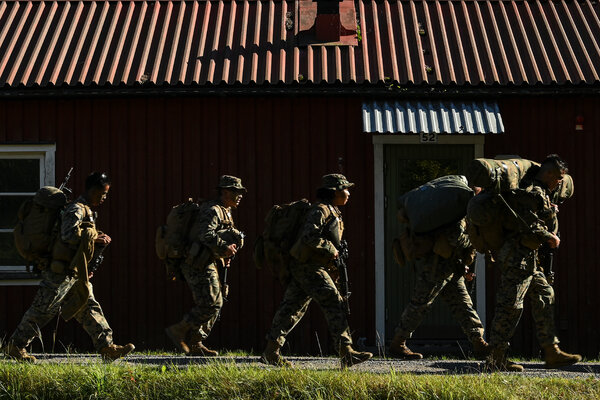
The White House revealed on Friday its plan to submit a request to Congress for a budget allocation of $1.5 trillion for defense spending in fiscal year 2027. This request comes at a time when military tensions between the United States and Iran are escalating, as Washington collaborates with Tel Aviv in efforts to counter Iranian activities in the region.
This amount is part of a broader strategy to bolster U.S. military capabilities and reflects the administration's commitment to the security of its allies in the Middle East, especially in light of increasing threats from Iran.
Details of the Request
The U.S. administration is seeking Congressional approval for this request as soon as possible, which includes proposed military spending aimed at enhancing military forces, updating equipment, and increasing military support to allied nations. It also encompasses funding for missile defense programs, which are deemed essential in addressing Iranian threats.
This request comes at a sensitive time, as concerns grow over the escalation of Iranian military activities, including the development of its nuclear and missile programs, thereby increasing the need to strengthen U.S. and Israeli defensive capabilities.
Background & Context
Historically, relations between the United States and Iran have been strained, particularly following the U.S. withdrawal from the Iranian nuclear agreement in 2018. Since then, Washington has imposed stringent economic sanctions on Tehran, exacerbating the situation in the region.
Israel is considered one of the United States' foremost allies in the Middle East, participating in numerous military and intelligence operations against Iran. This partnership has significantly increased in recent years, reflecting the shared security challenges faced by both countries.
Impact & Consequences
If approved, this request is expected to have a substantial impact on the U.S. defense budget, potentially leading to increased military spending in the coming years. Additionally, this decision may provoke strong reactions from Iran, which could perceive it as a direct threat to its security.
Moreover, this spending could enhance military cooperation between the United States and its allies in the region, potentially contributing to a shift in the balance of power in the Middle East. However, rising tensions may also escalate conflicts in the region, threatening regional stability.
Regional Significance
For Arab countries, this request could carry significant implications, as neighboring nations to Iran may be directly affected by any potential military escalation. Some countries may seek to bolster their military capabilities in response to increasing threats, potentially leading to an arms race in the region.
Additionally, heightened tensions could impact peace and stability efforts in the region, as Arab nations may find themselves compelled to adopt more hardline positions amid changing circumstances. It is crucial for Arab countries to closely monitor developments in this context and work to enhance cooperation among themselves to address shared challenges.
In conclusion, the White House's request for $1.5 trillion for military spending represents an important step in the context of current international relations and reflects the security challenges faced by the United States and its allies in the region.