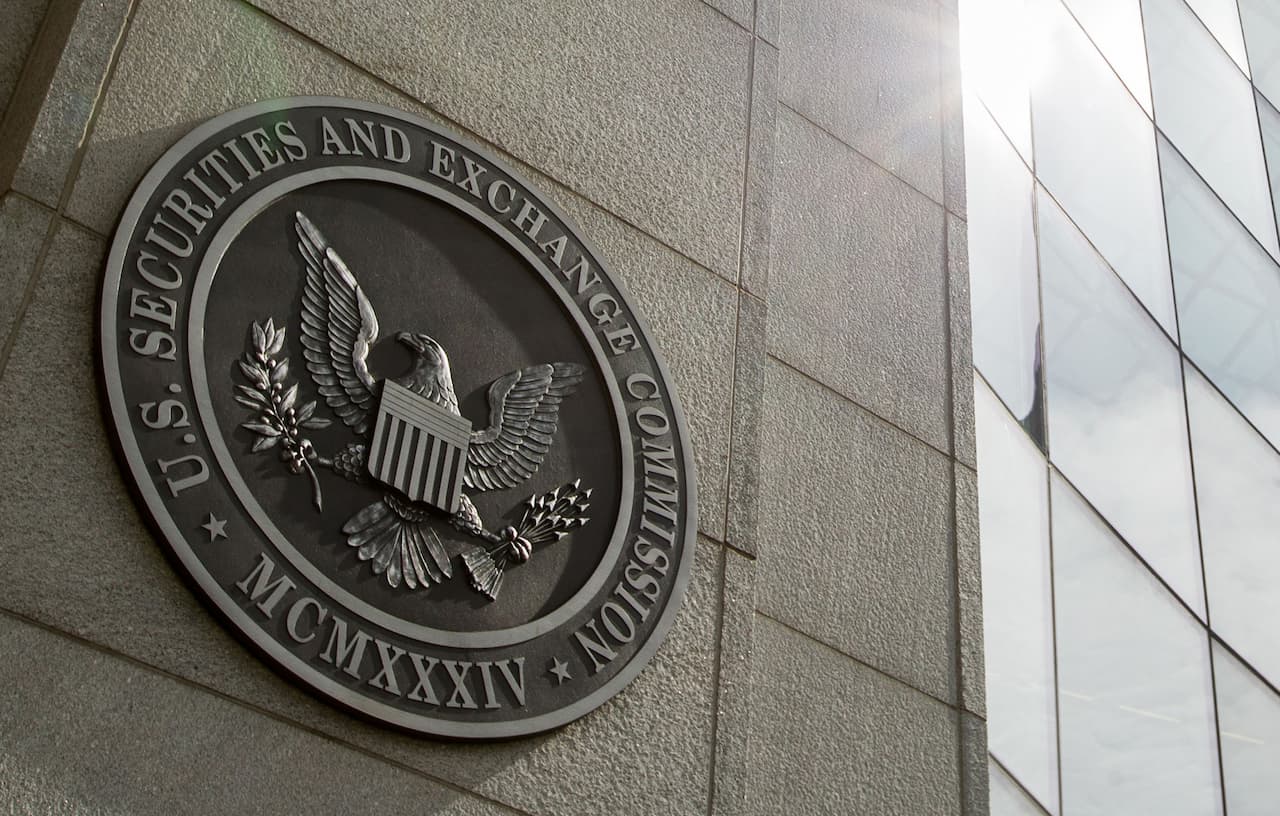
The White House has initiated a review of a new proposal put forth by the U.S. Securities and Exchange Commission (SEC) concerning the semi-annual disclosures that American companies are required to submit. This step represents a key hurdle that has been overcome, indicating that the SEC is nearing the announcement of this measure, which could significantly impact financial transparency in U.S. markets.
The SEC aims to enhance transparency and accountability in the financial market through this proposal, which mandates companies to provide detailed semi-annual reports on their financial performance. This move comes at a sensitive time, as the U.S. economy faces multiple challenges that necessitate greater transparency from companies.
Details of the Proposal
The proposal under review by the White House includes a set of new standards that companies must adhere to. These standards are expected to encompass more precise details regarding revenues and expenses, as well as information about potential risks that companies may face in the future. This information will be made available to the public, facilitating informed decision-making by investors.
This step is part of the SEC's efforts to bolster confidence in financial markets, especially following the financial crises that the country has experienced in recent years. Additionally, these measures align with the general trend towards improving transparency across all economic sectors.
Background & Context
The U.S. Securities and Exchange Commission was established in 1934 and is responsible for regulating financial markets and protecting investors. Over the years, the SEC has faced numerous challenges, including financial crises that have led to a loss of confidence in the markets. In recent years, calls for increased transparency and accountability have intensified, prompting the SEC to take new steps such as the current proposal.
In 2008, the United States experienced a significant financial crisis that resulted in the collapse of several major financial institutions. Following this crisis, numerous reforms were introduced in the financial system, but there remains a need for improved transparency in financial disclosures.
Impact & Consequences
If the proposal is adopted, it is expected to have a substantial impact on how companies operate in the United States. Companies will be required to allocate more resources to prepare financial reports, which may affect their short-term profits. However, in the long run, this could lead to increased confidence in the markets, potentially boosting investments.
Financial transparency is a key factor in attracting investors, and thus improving disclosures could contribute to strengthening the U.S. economy overall. Furthermore, this step may encourage other countries to implement similar measures, enhancing transparency in global markets.
Regional Significance
Although the proposal pertains to the U.S. market, it has potential implications for financial markets in the Arab region. Many Arab companies engage with U.S. markets and may be affected by the new transparency requirements. Additionally, Arab investors may seek to adopt similar standards in their markets to enhance confidence.
Moreover, enhancing transparency in financial markets could encourage foreign investment flows into the region, contributing to economic growth. Given the economic challenges faced by many Arab countries, this could be an opportunity to strengthen transparency and accountability in local markets.