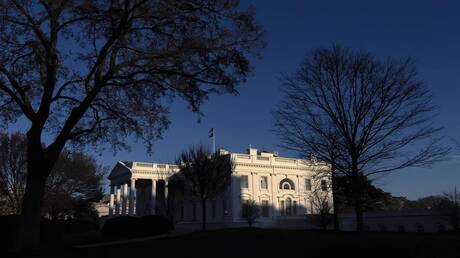
The White House has renewed its threats against Iran, indicating the possibility of returning the country to the 'Stone Age' if Tehran fails to reach an agreement with Washington before the deadline expires. These statements come at a sensitive time as tensions between the two nations escalate, raising concerns in the region.
Pressure on Iran is mounting amid economic sanctions imposed by the United States, aimed at undermining its nuclear program. American officials have pointed out that time is running out for Tehran to negotiate, placing it in a precarious position.
Details of the Situation
In statements made by officials in the U.S. administration, it was emphasized that military options remain on the table if Iran does not respond to American demands. A timeframe has been set for reaching an agreement, further heightening tensions between both sides. These statements reflect the United States' strategy in dealing with Iran, which includes using economic and military pressure as a means to achieve its objectives.
These threats come at a time when the region is witnessing an escalation in conflicts, with growing fears that these tensions could lead to a broader confrontation. Many observers have warned that any military escalation could have serious repercussions for regional and international security.
Background & Context
Historically, U.S.-Iran relations have been marked by ongoing tensions since the Islamic Revolution in 1979. These tensions have led to a series of economic sanctions and proxy wars in the region. In recent years, concerns have increased that Iran may seek to develop nuclear weapons, prompting the United States to take stringent actions against it.
In 2015, a nuclear agreement was reached between Iran and world powers, but the U.S. withdrawal from the agreement in 2018 reignited tensions. Since then, Iran has attempted to advance its nuclear program, raising alarm in the international community.
Impact & Consequences
If tensions between the United States and Iran continue, they could lead to military escalation in the region. This escalation could affect oil prices and financial markets, increasing economic instability. Furthermore, any military intervention could provoke reactions from Iran's allies in the region, complicating the situation further.
Moreover, the escalation between the United States and Iran may impact relations between Arab states and Iran, as many countries seek to maintain their stability amid these changing circumstances. This could lead to shifts in regional alliances.
Regional Significance
The Arab nations neighboring Iran are among the most affected by the current tensions. Increased pressure on Iran could lead to unpredictable reactions from the Iranian regime, raising the risks of conflict in the region. Additionally, any escalation could impact regional security, adversely affecting stability in Gulf countries.
Ultimately, the situation in the region remains complex, with political and economic interests intertwining. The international community must make concerted efforts to avoid military escalation and work towards a peaceful resolution that ensures stability and security for all.