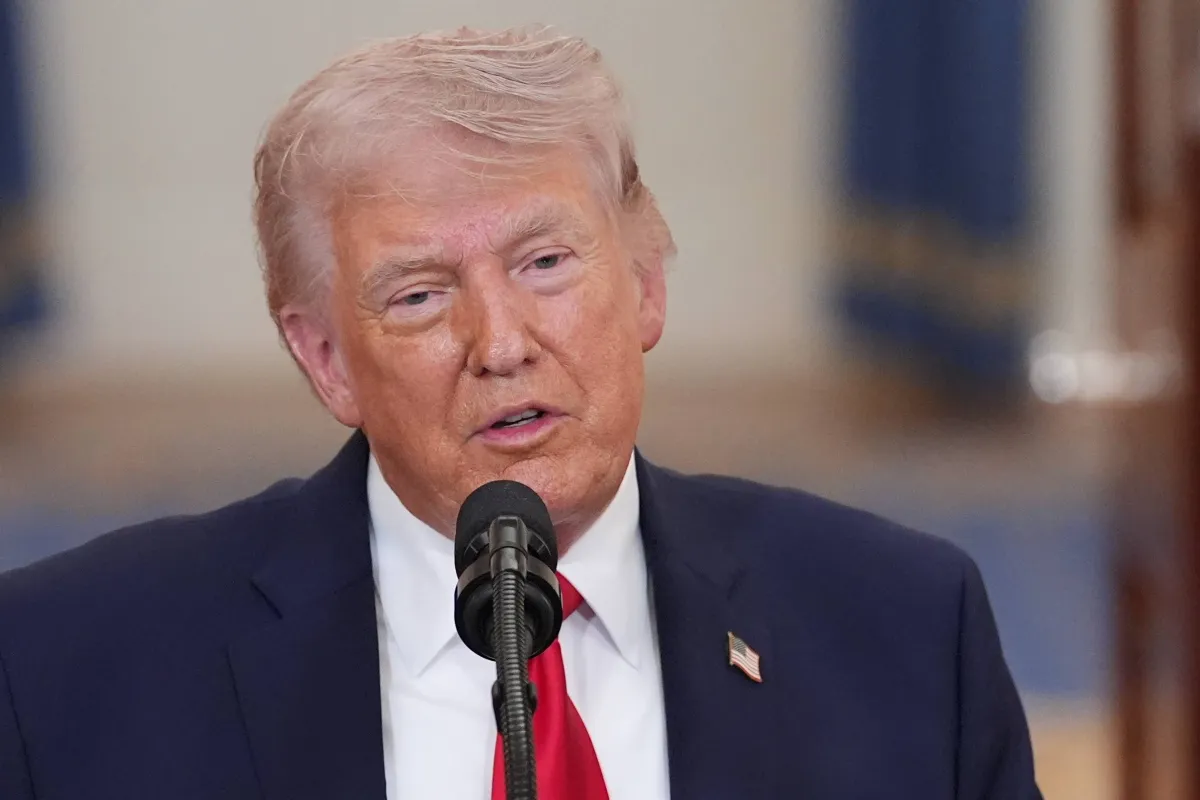
The White House confirmed on Monday that the United States is reviewing a proposal put forward by mediators for a 45-day ceasefire with Iran, but President Donald Trump has not yet endorsed it. This comes as the U.S. continues its joint military operations with Israel against Iran.
American media reported that the mediating parties, which include Pakistan, Turkey, and Egypt, were the ones to propose this ceasefire. In this context, a White House official stated that the proposal is one of several ideas being considered, emphasizing that the "Epic Fury" operation is still ongoing.
Details of the Ceasefire Proposal
As reports about the ceasefire plan emerge, a senior Iranian official stated that Tehran rejects any temporary halt to the war. The official also mentioned that Trump would hold a press conference later today to discuss the ongoing conflict that has lasted for over a month.
In related news, Iranian Deputy Foreign Minister Kazem Gharib Abadi warned that Trump's threats to strike power stations and bridges in Iran could amount to "war crimes," indicating that these threats represent a violation of international law.
Background & Context
Reactions in the United States regarding the ongoing war with Iran are intensifying, as members of Congress from both the Democratic and Republican parties have expressed their discontent with Trump's statements. One of his former allies, Marjorie Taylor Greene, described Trump as "crazy" due to his recent threats.
Although Trump's base still supports him, there is growing unease among Republicans about continuing support amid polls showing that a majority of Americans do not back the war. Republican Senator John Curtis warned that military operations should not continue for more than 60 days without congressional approval.
Impact & Consequences
As the deadline set by Trump for Iran approaches, internal pressures to end the war are mounting. Legislators have warned that continuing the war into the summer could lead to significant losses for the Republican Party in the upcoming midterm elections.
All eyes are on how Congress will handle the funding proposal for military operations in Iran, as costs are expected to be a central part of the discussion. The senior Democrat on the House Armed Services Committee noted that this war has been a major mistake due to its high costs.
Regional Significance
The Arab region is significantly affected by the escalating tensions between the United States and Iran, as this war poses a threat to regional security. Any military escalation could impact the stability of neighboring countries and exacerbate humanitarian crises.
In conclusion, the situation in the region remains tense, with anticipation surrounding the potential outcomes of ceasefire negotiations, which may represent a final opportunity to avoid a larger escalation in the conflict.