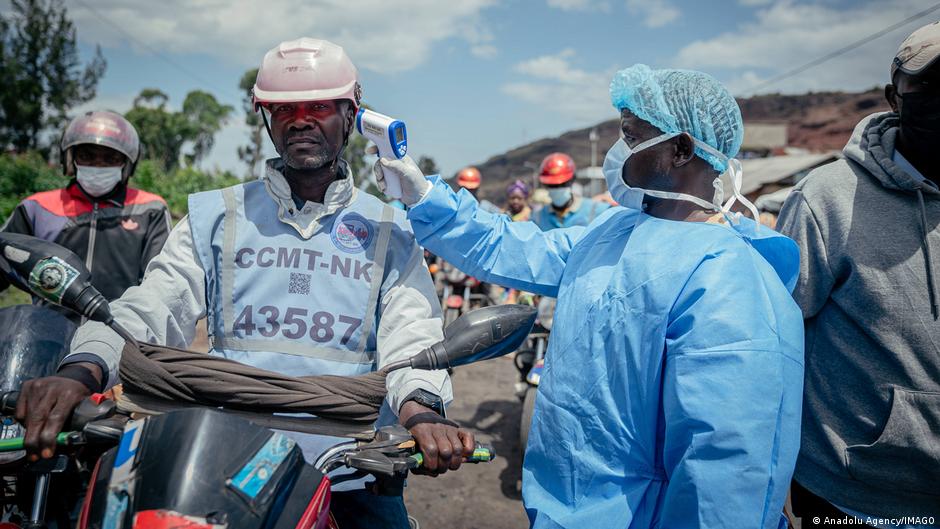
Tedros Adhanom Ghebreyesus, the Director-General of the World Health Organization, arrived in the Democratic Republic of Congo on Thursday evening, aiming to provide support to the country amid the outbreak of the Ebola virus that threatens the lives of many citizens. Ghebreyesus stated in a message via X that he wants the Congolese people to know they are not alone, noting that joint efforts will help overcome this outbreak.
He added that he and the United Nations will do everything possible to assist Congo in facing this epidemic. The current outbreak has resulted in approximately 220 deaths, with around 900 reported cases. The virus has also spread to neighboring Uganda, where seven suspected cases have been reported.
Details of the Outbreak
The current outbreak of the Ebola virus is the seventeenth recorded in Congo, which has a population of over 100 million people. Ghebreyesus indicated that the virus may have spread more widely than reported, as it is believed to have been circulating under the radar for some time. In light of these circumstances, health authorities in Uganda have decided to close the borders "immediately," despite warnings from the WHO that this step could lead to further spread of the disease.
Ghebreyesus also confirmed that the WHO does not support travel bans as a means to combat the outbreak, as such measures "do not help much" in containing the virus. The outbreak area is rich in minerals but suffers from violence and chaos due to ongoing conflicts among armed groups vying for control of the region.
Background & Context
Historically, the Democratic Republic of Congo has experienced numerous outbreaks of the Ebola virus, making it one of the most affected countries by this virus. The Ebola virus was first discovered in 1976, and since then, outbreaks have recurred, leading to significant loss of life and major challenges for the country's health systems. The virus is considered highly lethal, with mortality rates reaching 90% in some cases.
In recent years, the WHO has worked to strengthen the capacities of health systems in Congo, but challenges remain due to ongoing conflicts and difficult humanitarian conditions. Ghebreyesus noted that "conflict and displacement make everything more difficult," urging all warring parties to declare a ceasefire.
Impact & Consequences
The Ebola virus crisis in Congo poses a significant challenge not only for the country but for the entire region. The outbreak could affect regional stability and increase the risks of disease spread to other countries. Health authorities in the African Union have expressed hope that a vaccine for this type of virus will be ready by the end of this year, which could represent a glimmer of hope in facing this challenge.
In this context, Jean Kaseya, head of the Centers for Disease Control in Africa, confirmed that ongoing investments are being made at the technical and strategic levels to ensure the development of the appropriate vaccine and treatment. These efforts could help reduce the health risks faced by African countries.
Regional Significance
Although the Ebola virus outbreak is occurring in Congo, its impact may extend to Arab countries. With increasing travel and trade between nations, the virus could easily spread to other areas. Therefore, regional and international cooperation in public health becomes essential to tackle such challenges.
In conclusion, the situation in Congo requires a swift and effective response from the international community, as the virus knows no borders, and cooperation is key to confronting these epidemics.