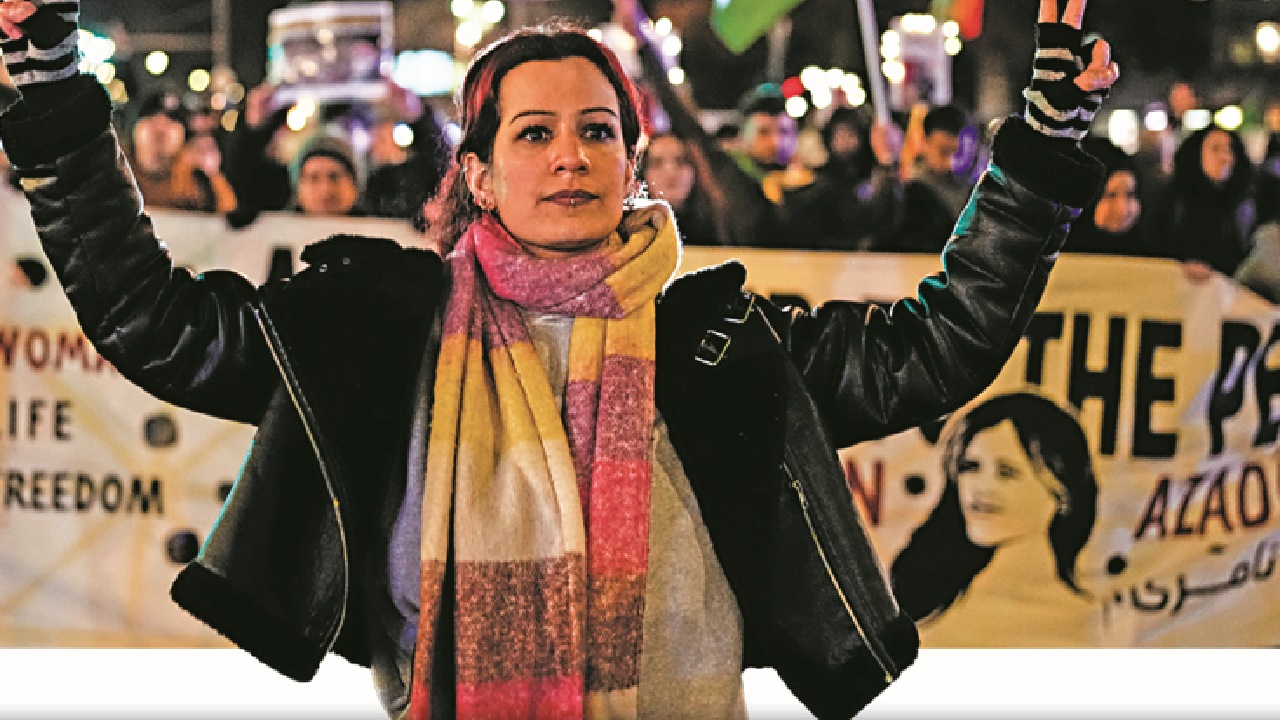
Despite the mounting pressures faced by the Iranian regime, there are still indicators suggesting that its collapse is not imminent. The events that have unfolded in the country over the past few years, including popular protests and regional wars, have not led to clear fractures within the regime's structure. On the contrary, it seems that these pressures may have actually bolstered its position.
The protests that once expressed the discontent of the Iranian people have come to a halt, raising questions about the reasons behind this cessation. Is this due to increased security repression, or are there other factors at play in silencing these voices?
Details of the Situation
The Iranian regime is facing a series of crises, ranging from the economic sanctions imposed by the United States to political pressures from Western nations. Nevertheless, the government still appears capable of maintaining control over the internal situation. Reports indicate that the regime may have exploited these crises to strengthen its authority by presenting itself as the protector of national interests.
At the same time, it seems that internal divisions among the Iranian populace have contributed to weakening the protest movement. While the regime faces significant challenges, opposition forces remain fragmented, making it difficult for them to form an effective front against it.
Background & Context
Historically, Iran has experienced numerous political and social crises, yet the Iranian regime has always managed to adapt to changing circumstances. Since the Islamic Revolution in 1979, the regime has faced many challenges but has managed to stay in power thanks to its political and security strategies.
There are various reasons that contribute to the resilience of the Iranian regime, including regional support from its allies, such as Hezbollah in Lebanon, as well as the influence it wields in certain Arab countries. These factors bolster its position in the face of external pressures.
Impact & Consequences
If the Iranian regime continues to endure, it could significantly affect regional stability. The persistence of this regime means ongoing tensions in the region, especially with Gulf countries and Israel. Furthermore, any potential collapse of the regime could lead to a political vacuum that extremist groups might exploit.
On the other hand, the regime's continuation may exacerbate economic and social crises within Iran, increasing the suffering of the Iranian people. If the situation remains unchanged, we may witness a resurgence of popular protests in the future.
Regional Significance
Iran is a key player in regional politics, and any changes within its regime could impact the balance of power in the area. Arab countries, particularly those sharing borders with Iran, are closely monitoring developments there.
If the regime were to fall, it could lead to a reshaping of regional alliances, opening the door for new powers to take control. However, this could also result in chaos and internal conflicts.
In conclusion, the question remains: Will the Iranian regime continue to withstand challenges, or is a forthcoming shift on the horizon that could alter the political landscape in Iran and the region?