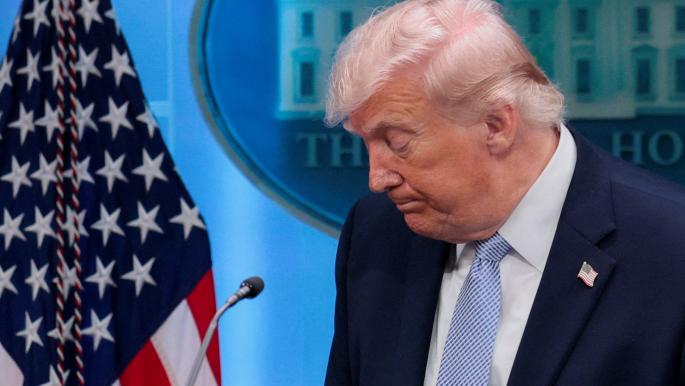
Tensions are rising between the United States and Iran, with the Wall Street Journal reporting that the gap between the two positions remains wide, making it difficult to bridge before the deadline set by President Donald Trump.
These developments come at a sensitive time, as Trump faces both internal and external pressures regarding his policies toward Iran. Negotiations concerning Iran's nuclear program have reached an impasse, further intensifying tensions between the two parties.
Details of the Situation
According to reports, the U.S. administration has yet to establish a clear strategy for dealing with Iran, raising questions about whether Trump will extend the deadline or follow through on his threats. This deadline represents a final opportunity for Tehran to comply with Washington's demands, which include curtailing nuclear activities.
Conversely, Iran refuses to concede on its nuclear program, complicating the situation further. Tehran has asserted that it will not accept any preconditions, making dialogue between the two sides increasingly complex.
Background & Context
Historically, relations between the United States and Iran have been strained since the Iranian Revolution in 1979. These relations have witnessed numerous crises, including economic sanctions and proxy wars in the region. In recent years, these tensions have notably escalated following Trump's withdrawal from the Iranian nuclear deal in 2018.
This withdrawal led to the reimposition of harsh economic sanctions on Iran, adversely affecting its economy and exacerbating social and political crises within the country. In this context, Trump seeks to leverage these pressures as a means to compel Tehran to negotiate a new agreement.
Impact & Consequences
If no agreement is reached, it could lead to military escalation in the region. There are concerns that Iran may respond to any U.S. actions by increasing its military activities in Iraq and Syria, potentially threatening the stability of the entire region.
Moreover, the failure of negotiations could impact global oil prices, as many countries rely on regional stability to ensure oil flow. Any escalation in tensions could lead to price hikes, affecting the global economy.
Regional Significance
Neighboring Arab countries, such as Iraq and Saudi Arabia, are on high alert. The tensions between the United States and Iran could directly affect their security and stability. Additionally, any escalation could lead to an influx of refugees and increased sectarian tensions in the region.
Ultimately, the question remains open as to whether Trump will extend the deadline or follow through on his threats. Any decision he makes will have far-reaching implications for international relations in the region.