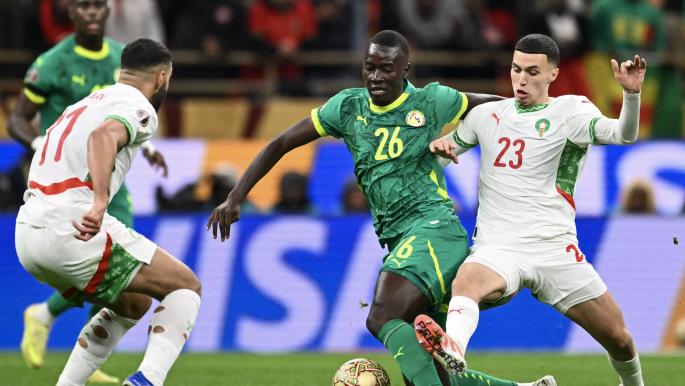
William Troost-Ekong, the former captain of Nigeria's national team, has urged Moroccan players to take a strong stance and reject the title of the Africa Cup of Nations 2025, which was awarded to them amid controversy regarding the integrity of the tournament. These statements come at a sensitive time as the Moroccan team aims to enhance its standing in African football.
Troost-Ekong, who played a pivotal role in his national team, emphasized that players should embody courage and dignity, refusing any titles that may be tainted with doubts. This message arises as criticisms regarding the organization of the tournament and the methods of selecting winners continue to escalate.
Event Details
The Africa Cup of Nations 2025 was held under exceptional circumstances, featuring numerous controversial events, including questionable refereeing decisions and organizational issues. Morocco's victory has raised questions about the fairness of the competition, especially given the surrounding circumstances of the tournament.
Troost-Ekong, regarded as one of the most prominent defenders in Nigerian football history, did not hesitate to express his concerns about the impact of these events on the tournament's reputation. He has called on Moroccan players to adopt a clear stance that reflects the values of fair play in sports.
Background & Context
Historically, the Africa Cup of Nations has witnessed considerable controversy regarding refereeing integrity and decisions made by the organizing committee. In recent years, pressure has increased on African federations to improve organizational and refereeing standards in an effort to maintain the tournament's credibility.
Troost-Ekong is a notable figure in African football, having played a significant role in elevating the game in Nigeria. His country has faced numerous sports crises, making his voice influential in discussions about the integrity of tournaments.
Impact & Consequences
If Moroccan players respond to Troost-Ekong's call, it could have a significant impact on the tournament's image in the Arab world and Africa. This stance may contribute to promoting values of integrity and transparency in sports, making players more aware of the importance of taking ethical positions.
On the other hand, this could lead to heightened tensions between sports federations, especially if criticisms regarding the tournament's integrity persist. It will be crucial to monitor reactions from fans and other sports federations.
Regional Significance
Football is an integral part of Arab culture, and Morocco's victory in the tournament was a source of pride for many Arab nations. However, the controversy surrounding the tournament's integrity could negatively affect the reputation of the sport in the region.
If Troost-Ekong's stance is adopted by Moroccan players, it could inspire other players in the region to take similar positions, thereby reinforcing the values of integrity in sports.
In conclusion, the question remains how Moroccan players will respond to Troost-Ekong's call and whether this step will impact the future of football in the region.