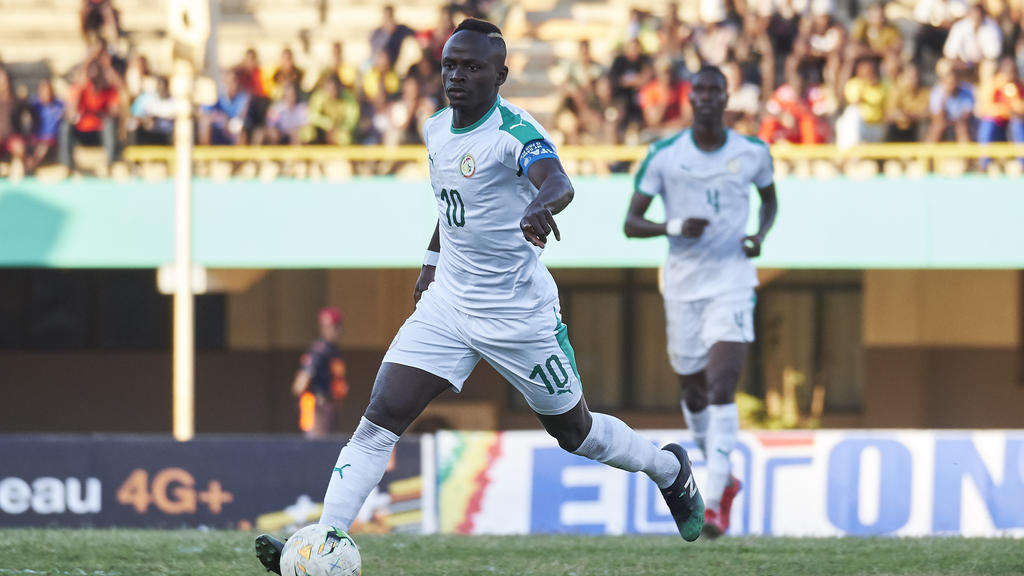
Patrice Motsepe, the President of the African Football Confederation (CAF), revealed the decision to withdraw the Africa Cup title from Senegal during a press conference held in Cairo, Egypt. Motsepe confirmed that this decision comes as part of a reevaluation of the tournament's results, emphasizing that the federation aims to enhance transparency and integrity in African competitions.
Simultaneously, Motsepe announced the revival of the African Super League for clubs, which had been suspended in previous years. He explained that this league will serve as a new platform for African clubs to compete at a high level, contributing to the development of football on the continent.
Details of the Event
The decision to withdraw the title from Senegal follows a comprehensive review of the tournament held last year. This move has sparked mixed reactions among fans and media, with some considering it a reflection of the federation's efforts to improve competition standards, while others view it as an unjustified step.
Regarding the African Super League, new details about the tournament have been announced, with expectations that several major clubs from various African countries will participate. This league aims to enhance professionalism in African football and elevate competition levels among clubs.
Background & Context
Historically, African football has faced numerous challenges, including issues of corruption and mismanagement. In recent years, CAF has attempted to improve its image by making bold decisions aimed at enhancing transparency and integrity. The withdrawal of the title from Senegal fits within this context, as the federation seeks to restore trust in African tournaments.
The African Super League for clubs is an old idea that has been proposed for several years but was not implemented due to various challenges. With the return of this concept, CAF hopes to attract more investments and improve the standard of football on the continent.
Impact & Consequences
These decisions could significantly impact the future of African football. The withdrawal of the title from Senegal may lead to changes in how tournaments are evaluated, which could reflect on teams' performances in the future. Additionally, the return of the African Super League may open new horizons for African clubs, contributing to the development of the game across the continent.
These decisions are expected to spark widespread debate within sports circles, as opinions will vary regarding their impact on teams and players. Furthermore, these steps may enhance competition among African clubs, potentially raising the overall standard of the game.
Regional Significance
Football is an essential part of Arab culture, and sporting events in Africa directly affect Arab nations. The withdrawal of the title from Senegal and the revival of the African Super League may impact Arab clubs participating in African tournaments, intensifying competition.
Moreover, these decisions could foster collaboration between Arab and African clubs, contributing to the development of the game in the region. Amid current challenges, there remains hope that these steps will help improve the standard of football on the continent.