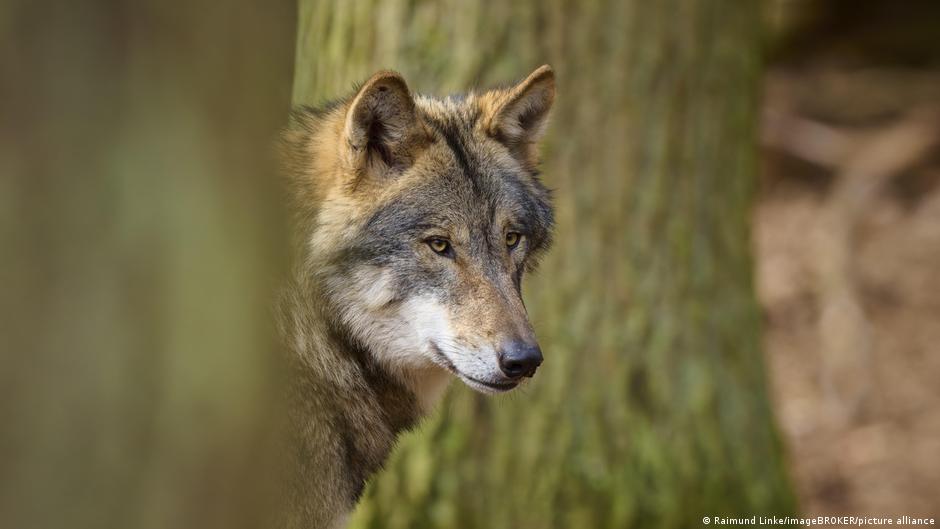
A woman was attacked by a wolf in Hamburg, Germany, raising concerns among local authorities. The incident took place near an IKEA store, approximately 4 kilometers from the city center, where the woman was reported injured after being bitten by the wolf. This incident is considered the first of its kind since wolves returned to Germany in the late 1990s.
After the attack, the wolf moved towards Binnensee lake, where police managed to capture it using a trap. It is believed that the wolf had been roaming the city since Saturday, with several sightings reported in different areas of Hamburg, indicating that it was searching for shelter or food.
Details of the Incident
This incident is extremely rare, as wolves are typically shy animals that avoid humans. According to the Federal Agency for Nature Conservation, this attack is the first recorded on a human since the return of wolves to Germany. The wolf that attacked the woman is believed to be young and may have been looking for a new area after leaving its pack.
Since 2013, there have been 21 confirmed wolf sightings in Hamburg, reflecting the return of these animals to urban areas. However, most attacks on humans are rare and often linked to reasons such as rabies or provocation of the animal.
Background & Context
Historically, wolves were absent from Germany for nearly 150 years, having been hunted to extinction in the early 20th century. Wolves returned to the country in 1998 after migrating from Poland to eastern Germany, supported by environmental protection efforts and the expansion of natural habitats. The return of wolves is considered a success in conservation, but it also creates tension among farmers who fear losing livestock.
Last week, the German Senate approved legislation that facilitates the hunting of wolves, reflecting growing concerns about the impact of these animals on agriculture. The European Union has also downgraded the classification of wolves from "fully protected" to "protected," allowing for more flexibility in managing their populations.
Impact & Consequences
The attack on the woman in Hamburg highlights the challenges urban communities face in dealing with wildlife. As the number of wolves in urban areas increases, the likelihood of such incidents may rise, prompting local authorities to take preventive measures to ensure citizen safety.
Experts emphasize that wolves, especially healthy ones, tend to avoid humans. However, the loss of their natural fear of humans, often due to feeding by humans or finding food near settlements, can lead to unpredictable behaviors.
Regional Significance
While this incident may seem distant from the Arab region, it underscores the importance of balancing wildlife and urban environments. In many Arab countries, challenges related to wildlife are increasing, necessitating effective strategies to conserve biodiversity and protect local communities.
In conclusion, this incident serves as a reminder of the need to handle wildlife with caution and understand their behaviors, especially in areas where there is an overlap between humans and animals.