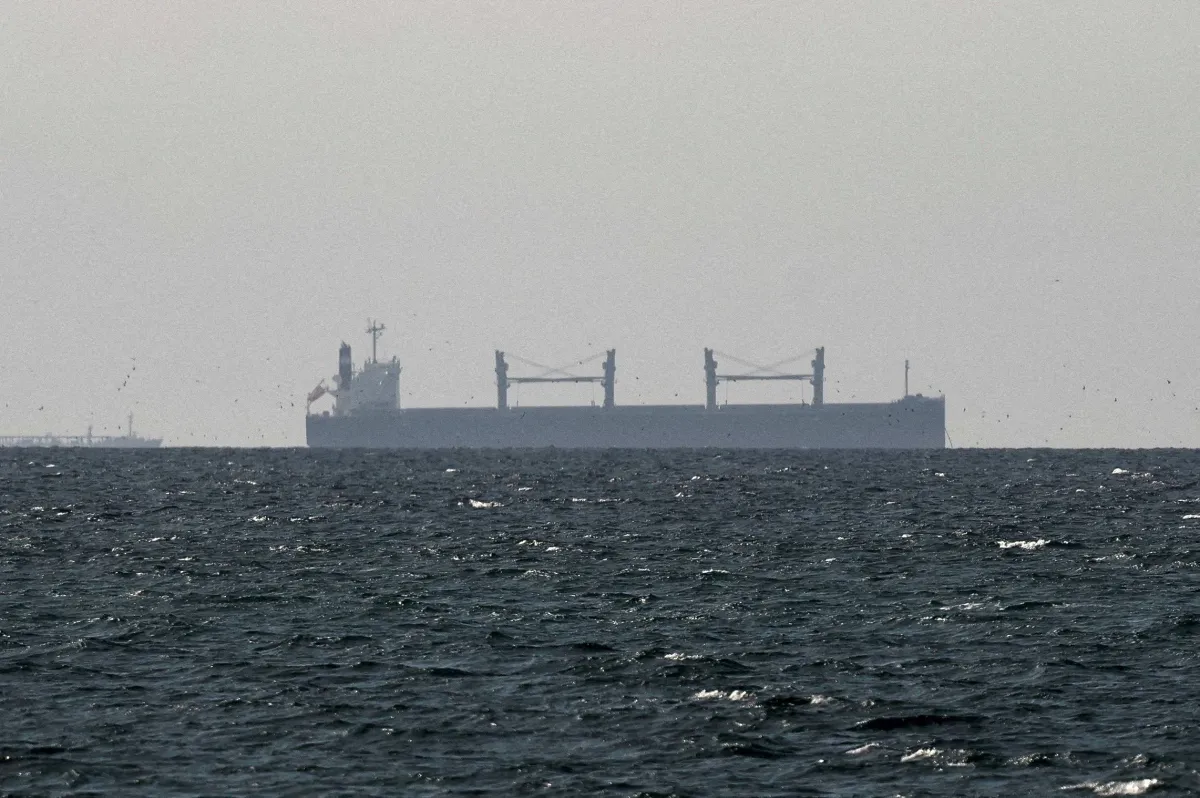
The World Bank reported in its latest report that it has cut its growth forecast for the Middle East and North Africa for 2026 to 1.8%, representing a sharp decline of 50% compared to previous estimates of 3.6% made last January. This substantial reduction reflects the negative impact of ongoing conflicts in the region, including the closure of the Strait of Hormuz and attacks on energy infrastructure.
Under these circumstances, the performance of major economies in the Gulf has varied, with Saudi Arabia still leading the regional performance, despite its growth forecast being reduced to 3.1%, down from 4.3% previously. Other economies like Qatar and Kuwait have experienced noticeable contractions due to disruptions in liquefied natural gas supplies and oil exports.
Details of the Event
The World Bank revealed that the recent conflict in the Middle East has resulted in immediate and severe economic damages, as the closure of the Strait of Hormuz and destruction of energy infrastructure have disrupted markets and increased financial volatility. The report also indicated that these conditions have led to a decline in growth expectations for 2026, reflecting the state of economic instability in the region.
The release of the report coincided with the announcement of a two-week ceasefire between the United States and Iran, raising questions about the possibility of achieving long-term stability in the region. The World Bank considers these conflicts as an additional shock to a region already facing ongoing economic challenges.
Background & Context
Historically, the Middle East and North Africa have experienced economic fluctuations due to political and economic conflicts. As disputes continue, the need to enhance governance and macroeconomic foundations increases, alongside the necessity for actions to create jobs and bolster resilience.
The World Bank excluded Iran from the negative forecasts, as overall growth in the region is expected to slow from 4.0% in 2025 to 1.8% in 2026. This decline reflects the impact of conflicts on the economies of the Gulf Cooperation Council countries and Iraq, which have been severely affected.
Impact & Consequences
The declining growth forecasts serve as a warning to countries in the region, as the World Bank anticipates that negative effects will worsen if the conflict persists for an extended period. Among these effects are rising energy and food prices, a decline in trade and tourism, and increased financial pressures.
The Vice President of the World Bank noted that the current crisis serves as a reminder of the scale of work required, emphasizing the importance of leveraging crises to rebuild more resilient economies. He asserts that peace and stability are essential conditions for achieving sustainable development in the region.
Regional Significance
These forecasts underscore the necessity of enhancing cooperation among Arab countries to address economic challenges. Additionally, maintaining financial market stability and promoting growth require effective strategies to manage crises.
In conclusion, hope remains pinned on the possibility of achieving peace in the region, which would enable countries to build strong institutions and competitive sectors that contribute to job creation and sustainable development.