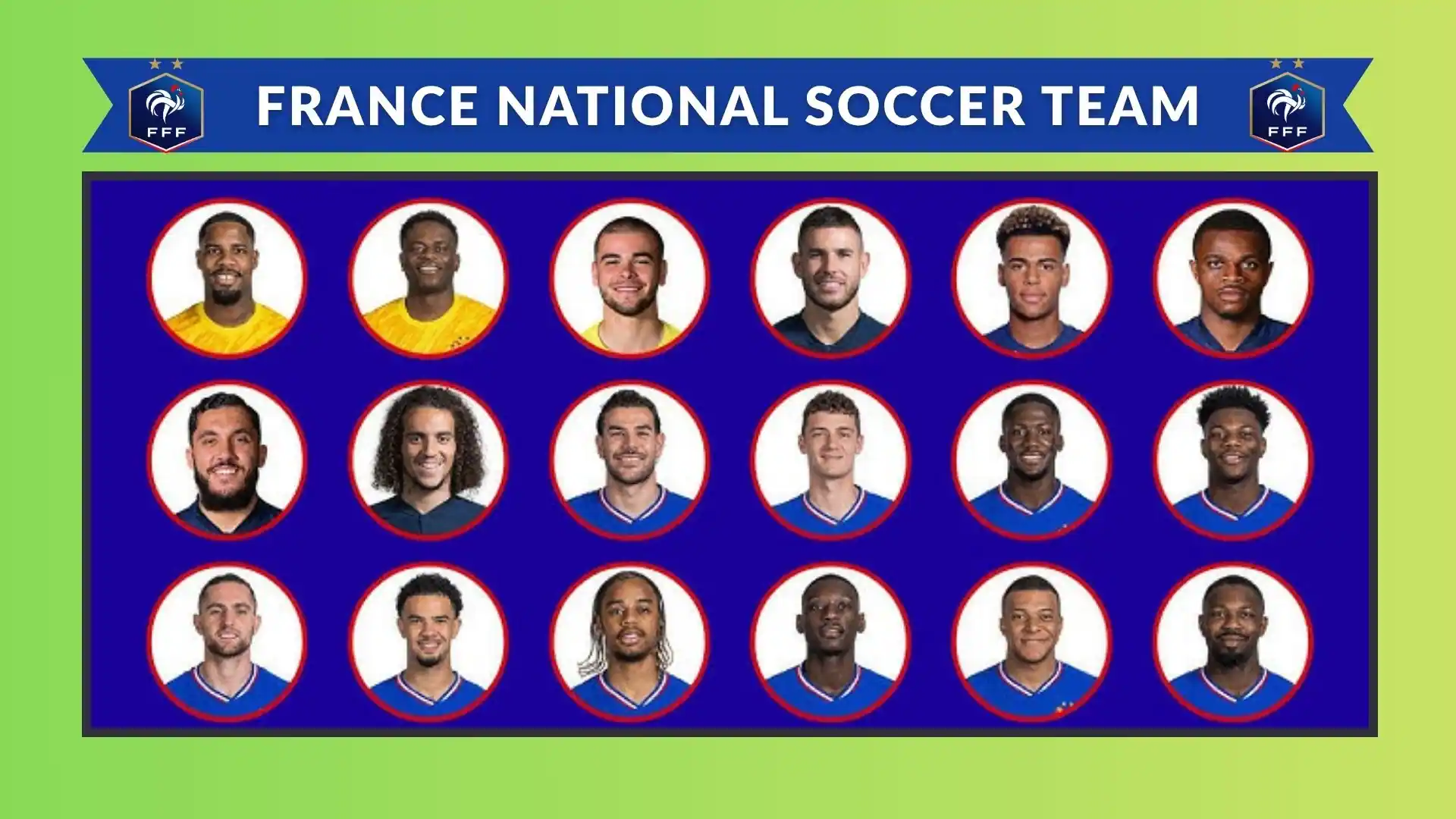
The 2026 World Cup, to be held in the United States, Canada, and Mexico, is gearing up to be one of the largest sporting events in history. According to a survey conducted by Bank of America, France is considered the leading candidate to win the tournament. Meanwhile, predictions suggest that artificial intelligence, through Microsoft's Copilot tool, supports Spain as a strong contender as well.
The survey revealed that approximately 40% of fans expect France, led by its young star Kylian Mbappé, to clinch the championship title once again. Mbappé is also anticipated to be the winner of the Golden Boot as the tournament's top scorer.
Event Details
The tournament kicks off on June 11, 2026, featuring 48 teams, including new entrants such as Cape Verde, Curaçao, Jordan, and Uzbekistan. Around 6.5 million fans are expected to attend the 104 matches that will take place across 16 host cities.
Forecasts indicate that this edition of the World Cup will generate over $80 billion for the global economy, adding approximately $41 billion to the global GDP and supporting more than 800,000 jobs, according to a joint study by FIFA and the World Trade Organization.
Background & Context
Historically, the World Cup is one of the largest sporting events that unites nations and peoples, contributing significantly to tourism and the local economies of host countries. The upcoming edition will be the first to feature 48 teams, reflecting the significant evolution in global football.
This edition also presents an opportunity for smaller teams to showcase their capabilities, as all participating teams will receive a share of the financial prizes totaling $871 million, meaning each team will receive at least $12.5 million.
Impact & Consequences
The World Cup is a sporting event with considerable economic and social impacts. On one hand, the tournament is expected to boost investments in infrastructure in the host countries, contributing to improvements in public services. On the other hand, the rising ticket prices have sparked debate about the accessibility of matches for ordinary fans.
Reports indicate that ticket prices range from $380 for a group stage match to $4,105 for a first-round match. A new dynamic pricing system has also been introduced, complicating the ticket purchasing process.
Regional Significance
The World Cup represents a significant opportunity for Arab countries to enhance their presence on the global sports stage. Jordan's participation in the tournament is seen as an important step, showcasing the development of football in the region. Additionally, the success of Arab teams in the tournament could bolster their status in the sports world.
In conclusion, the 2026 World Cup is a highly anticipated sporting event for millions worldwide, combining athletic competition with economic opportunities. The tournament is expected to have far-reaching effects on football and the global economy.